In my previous blog post on GPS-tracking,
I described wearable devices used to track the whereabouts of “fragile” others:
our pets, elderly, and children. The phenomenon of wearable surveillance,
however, is not limited to tracking and quantifying others. Wearable technologies
(e.g. activity trackers and smart watches) and ‘smart’ clothes have stimulated the
growth of a culture of self-surveillance, in which individuals scrutinize
themselves to monitor and quantify their own health, behaviour, and activities.
Such practices of self-tracking introduce a new and voluntary kind of surveillance
that, contrary to traditional types of surveillance, targets the user herself. At
first sight, this so-called self-tracking appears to be a purely voluntary and
harmless form of individual surveillance for the sake of well-being,
self-knowledge and empowerment. Yet, where does the urge to self-tracking come
from, and how voluntary is it really?
Self-tracking is done mostly in order to monitor and optimize one’s
“performance”, be it in sports, professionally, or more broadly speaking in
terms of physical/mental well-being and health. It has become synonymous with
the Quantified Self (QS) movement, a
‘lifelogging’ community that believes in self-tracking technologies as the key
to improving self-knowledge and overall quality of life. Smart fashion is
particularly fit for this purpose, as it is relatively unobtrusive and mobile
enough to be worn in everyday life. This implies that the integrated sensors
can constantly stay in touch with the user’s body, environment, and behaviour. The
adjective ‘smart’ refers to how these garments are able to record, and often
also respond to, specific stimuli. Smart fashion can not only ‘sense’ your
posture, activity, or stress levels during the day, it may also react to this
input with output in the form of light, vibration, sound, or colour change. So
although the activity of tracking data about ourselves is not wholly new (think
of a weighing scale or stop watch), smart garments intensify the culture of self-surveillance by, for example,
enabling the accumulation of heretofore inaccessible data (e.g. brain
activity), and the direct display or manifestation
of these data on the wearer’s body (Van den Eede 2015: 144).
The people and companies currently marketing or using smart
fashion seem to see no harm in the practice of wearable self-surveillance, as
long as the monitoring it is done voluntarily and willingly. As Deborah Lupton
argues, however, it is important to realize that the choice for self-tracking
is not made in a social vacuum, but “in a context in which certain kinds of
subjects and bodies are privileged over others” and where socio-cultural norms
and ideas about the responsible, self-disciplined body/self are involved (Lupton 2012). The tendency to
check, control, and monitor ourselves through wearables or smart garments should
be understood in light of our Western, (post)modern ideals about disciplined,
healthy, active, and profitable subjects (Van
den Eede 2015; Lupton
2016). The problem with a lot
of wearable self-surveillance technology, then, is that it presents itself as a
tool for voluntary self-management, while hiding its technocratic premise of
what a perfect human body and human life should be (Verbeek, interviewed in: Heijne 2015).
Ondanks de financiële crisis is een aantal grote nieuwbouwprojecten voor culturele instellingen de laatste jaren voltooid of juist in gang gezet. De bezuinigingen door het Rijk onder staatssecretaris Halbe Zijlstra en de kortingen die lagere overheden daarop lieten volgen, deden de culturele sector op haar grondvesten trillen, maar aan de bouwwoede in de kunstsector was dat niet of nauwelijks te merken. Hoe kan dat?
Culturele instellingen zijn geen passieve subsidieslurpers, als ze dat ooit al geweest zijn, maar ondernemingen die concurreren op de markt van het vrije tijdsaanbod. Hun accommodatie moet daarom op peil zijn. Daarom kan een museum als De Lakenhal in Leiden niet in het oude pand blijven zonder dit aan de eisen van de tijd aan te passen. Ook gemeenten zijn afhankelijk van een breed cultureel aanbod, en zijn bereid te investeren in nieuwbouw. Investeren in cultuur loont immers, zo heeft onderzoek keer op keer uitgewezen.
Daar komt bij dat er niet alleen bezuinigd werd op cultuur, er werd ook meer openheid geëist, en meer aandacht voor de bezoeker. Als gevolg daarvan kiezen musea er bijvoorbeeld voor hun depots (deels) open te stellen voor het publiek, omdat de collectie publiek bezit is. Maar dat is niet gratis, en budgetten worden vaak overschreden of opgehoogd, juist als het gaat om cultureel vastgoed. Een ander probleem bij renovatie en nieuwbouw is dat musea en podia soms lange tijd gesloten blijven, met alle gevolgen van dien, voor bezoekers, maar ook voor het personeel.
Zo maakt de golf van nieuwbouw in de culturele sector duidelijk dat het cultuurbeleid op gemeentelijk niveau zichzelf in de staart bijt. De subsidie komt vast te zitten in het pand, dat voortdurend zorg en dus om geld vraagt om lonend te blijven voor de culturele instelling. Hoe meer van musea en podia wordt gevraagd met hun tijd mee te gaan en nieuw publiek aan te spreken, hoe meer er ook van hun onderkomens wordt gevraagd. Waar het ministerie van OCW onder Rutte I bezuinigde met als motto dat dat de sector ondernemender zou maken, betekent het dat het gemeentelijke cultuurbeleid nog meer dan eerst een bakstenenbeleid is geworden. Dat is een erfenis die nog jaren zal moeten worden meegetorst.
In de eerste
maanden van 2017 doceerde ik in de collegereeks ‘Van Vijftig tot
vandaag. Hoogtepunten uit de naoorlogse Nederlandse poëzie’ bij HOVO Nijmegen. HOVO (Hoger Onderwijs Voor Ouderen) is
verbonden aan de Letterenfaculteit van de Radboud Universiteit en verzorgt
academische cursussen voor geïnteresseerde 50-plussers. Per sessie bespraken we
een Nederlandse dichter die kenmerkend geacht wordt voor de poëziehistorische
context van het betreffende decennium. We begonnen in de jaren ‘50 met
Lucebert, de zelfgekroonde
keizer der Vijftigers,
en eindigden in de jaren 2010 met de zinnelijke poëzie van Annemarie Estor.
De leeftijdskloof
tussen mij en de cursisten was groot: ik ben 25 jaar, hun gemiddelde leeftijd
zat ergens rond de 65. Dat verschil in leeftijd werd gedurende de cursus
herhaaldelijk gethematiseerd. Grappend stelde ik dat ik pas in het vijfde
college van de reeks, de jaren ‘90’, geboren zou worden. Ironisch genoeg was ik
het die hen, en niet andersom, onderwees over bijvoorbeeld de maatschappelijke
emancipatiebewegingen van de jaren ‘60 en ‘70. Destijds zweefde ik nog
ongeboren rond in het zalige Niets, terwijl zij op de (spreekwoordelijke)
barricaden stonden. Soms leverde dat mooie verhalen uit de eerste hand op, waar
ik slechts kennis van had genomen via literatuurgeschiedenissen. Toen ik sprak
over de opkomst van experimentele poëzie van Vijftig, vertelde een cursist geanimeerd over diens eerste
kennismaking met de bloemlezing Nieuwe griffels schone leien. Van Gorter tot Lucebert van
Gezelle tot Hugo Claus. Een bloemlezing uit de poëzie der avant-garde (1954), die een belangrijke rol
speelde bij de canonisering van de experimentelen in Nederland. Iemand anders
bracht een destijds gekochte eerste jaargang mee van het invloedrijke
structuralistische literaire tijdschrift Merlyn uit de zestiger jaren.
Vanaf
ongeveer 2007 (toen ik als 15-jarige geïnteresseerd raakte in literatuur) kan
ik ook zelf uit de eerste hand meepraten over de contemporaine
poëzieproductie.Wie colleges geeft over literatuur vanaf 2010 heeft niet veel
meer aan de literatuurgeschiedenissen, die houden daar namelijk op met
historiseren. In het laatste college (over de jaren 2010) deed ik een beroep op
mijn eigen ervaring. Zo behandelen we onder andere uitgebreid het populaire
literaire tijdschrift Das Magazin, dat een grote rol speelt in het
vermarkten van literatuur als ‘event’, en literatuur (weer) ‘hip’ schijnt
te maken.
In het
naoorlogse Nederland brachten de Vijftigers artistieke vernieuwing door te
breken met de toen nog dominantie modernistische poëtische traditie, die vaak
geassocieerd wordt met schrijvers rondom het tijdschrift Forum. Dat deden zij onder andere door de
persoon van de dichter uit het gedicht te bannen en door te experimenteren met
taal en vorm. Als ik nadenk over poëzie die ik kenmerkend vind voor nu, dan
zoek ik naar een poëzie die de tijdsgeest op pregnante wijze weet te vatten en
waarmee mensen van de millennial-generatie zich zouden kunnen identificeren. Ik
zoek niet zozeer naar een eventueel breukmoment. Want waar zouden dichters in
het Nederland van 2017 mee kunnen of moeten breken? Misschien met de
postmodernistische poëtische traditie, waar in Nederland onder andere Tonnus
Oosterhoff en K.Michel mee geassocieerd worden, maar waarvan de eerste
oprispingen ook al bij de Vijftigers gesignaleerd kunnen worden (zie daarover Jos Joosten &
Thomas Vaessens).
Zou zo’n breuk een terugkeer zijn naar meer klassieke dichtvormen? Dat laat ik
in het midden.
Ik dacht na
en zocht en vond. Ik vond een gedicht waarin ik zag samengebald die tijdsgeest
en waarmee ik, millennial, me terstond identificeerde. De eerste keer dat ik
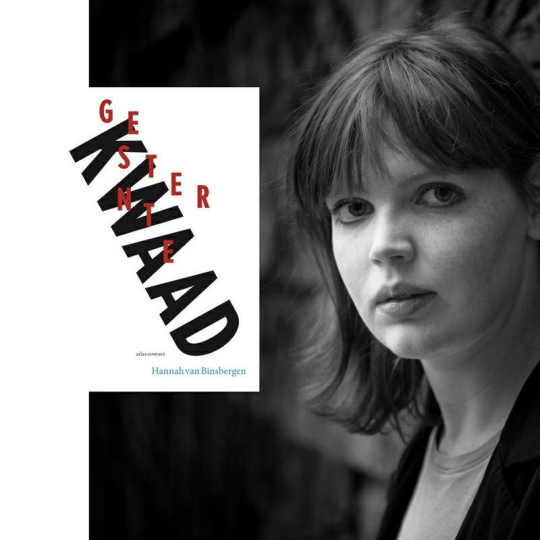
het las was op een zaterdagochtend, het stond in de Volkskrant afgedrukt in een stuk over de winnaar van de VSB Poëzieprijs 2017. Het betreft het openingsgedicht
van Kwaad gesternte (2016), het
debuut van de 23-jarige Hannah van Binsbergen:
Nu iedereen met me meekijkt kan ik
eindelijk beginnen
te groeien naar de markt. Ze weten allemaal waar ik mee bezig
ben en vinden het niks: de tijd dat de postbode de arme
burger achternazat, de tijd dat de goede postbode
symbool stond voor de dood, hebben we toegestaan
te transformeren tot de nadagen van een hippe planeet.
Ik hoef mijzelf niet meer te dwingen een gezicht op te
zetten om naar buiten te gaan. Al mijn gezichten zijn bekend,
gezien in medische catalogi, besproken in ondergrondse
correspondenties, beproefd in het gebruik. Ik wil eruit
maar nergens ben ik veilig, mijn geweten is iets lichts
geworden nu ik mijzelf altijd moet zien en zien hoe ik door
iedereen gezien word. Sinds de tijd dat de PTT het embleem
was van de dood is veel vergeten dat herinnerd had moeten
blijven, nu te lezen in levende archieven verspreid over
Europa. Ik steek mijn hand door de brievenbus, voel voor het eerst
het afscheid van mijn onverstuurde brieven.
Hier spreekt
een ik-figuur die beseft dat iedereen ‘meekijkt’: George Orwell’s 1984 is nu, onder andere in de
hoedanigheid van onze alomtegenwoordige aanwezigheid op social media. Dat
‘groeien naar de markt’ verwijst zowel naar een paar eerste stappen op de
arbeidsmarkt als naar de noodzaak om zich te conformeren aan de neoliberale
wetten van de vrije markteconomie. We zetten onszelf in de markt, we plaatsen
een uithangbord voor onszelf op LinkedIn, Twitter, Facebook, Instagram. Op die
(online) marktplaats worden we in de huidige like-cultuur constant gezien en
beoordeeld (‘Ze weten allemaal waar ik mee bezig ben en vinden het niks’).
Er spreekt
een nostalgisch verlangen uit dit gedicht naar ‘de tijd dat de postbode de arme
burger achternazat, de tijd dat de goede postbode symbool stond voor de dood’.
Die tijd is over, nu we leven in ‘de nadagen van een hippe planeet’. In dat huidige
tijdsgewricht hoeft de ik-figuur zich ‘niet meer te dwingen een gezicht op te
zetten’, omdat alle mogelijke rollen die de ik-figuur aan zou kunnen nemen al
‘bekend’ zijn, ‘beproefd in het gebruik’ – authenticiteit is onmogelijk.
De PTT en de postbode als symbool voor de dood? Die
goede oude tijd waarin mensen elkaar nog vertrouwden, elkaar intieme,
handgeschreven berichten stuurden, behoort voorgoed tot het verleden, is
prehistorie geworden, is ‘dood’ – Jan Terlouws pleidooi voor het ‘touwtje uit
brievenbus’
resoneert hier in mee. Maar anders dan Terlouws hoopvolle oproep tot meer
touwtjes uit brievenbussen, beseft de ik-figuur dat die tijd onherroepelijk
voorbij is. Er zijn geen touwtjes meer, we moeten onze hand zelf door die
brievenbus steken, en dan alleen om ‘het afscheid van [onze] onverstuurde
brieven’ te voelen. Niemand doet open. Geen brief is verstuurd. Alles staat in de Cloud.
Two years ago,
landscape was briefly in the news when the European Parliament voted on a
report on copyright rules drafted by Julia Reda, of the
German Pirate Party. The issue that caused controversy was the so-called Freedom
of Panorama. This is the principle that anyone can take photographs of the
public space because the view (the panorama) of the public realm is public
property. Reda argued that it was important to maintain this freedom, but a
Liberal member of the Parliament, Jean-Marie Cavada, introduced an amendment
stating that anyone who would derive any kind of commercial gain from such a
photograph would have to pay copyright fees to the copyright holder of all “works”
that appear in the image.
The amendment
triggered a petition from concerned European citizens. Such regulations would
make it very difficult, for example, to make a film in the public realm: in
theory, one would have to track down the copyright holders (such as the
architects, if still living) of any building that appears in the image. The
amendment speaks of “works” in the public realm, but, obviously, every building is a “work” from the
perspective of the architect who designed it, and not just famous landmarks.
Even bridges on highways are referred to as “works of art” in official
bureaucracy. Especially for independent, low-budget, or no-budget film-making
the logistics and financial implications of such a measure could easily become
prohibitive.
In the end, the
amendment did not make it and the Freedom of Panorama remained safe. But there
is no guarantee that it will not be assailed again in the future. It was
therefore a clear reminder of the way in which our entire world, including the
very living space we share with each other, is constantly encroached upon by
those who would commodify it as a source of revenue. In the Freedom of Panorama
case, the intrinsically laudable intention of safeguarding the copyrights of
creative artists had transmogrified into corporate copyright run
amok.
The whole affair
made me think about the limited control we have over our world, and how easy it
is to lose the world to corporate capitalism. What would such a copyright rule
do to our relationship with the world? I could imagine people avoiding the
corporate invasion by retreating into private worlds (an evasion the great
Walter Pater would surely bless from beyond the grave). With recent evolutions
in virtual reality and digital imagery we have already gone a long distance
towards realising such worlds. We are already increasingly disappearing into
worlds that are artificially developed and completely parallel to the real
world. On a less technically sophisticated level, for low-budget film-makers such
a flight into fantasy could also mean a return to the early film practice,
derived from theatre, of working with painted backdrops of invented or
fantastical landscapes. Méliès would suddenly be very topical again!
If the real
world is increasingly owned, copyrighted, or branded, the only freedom left us
is the freedom of the mind, the internal space of imagining. But if we all flee
into imaginary worlds and come together in that realm of fantasy, the corporate
capitalists may one day find that they have bought a brave new world that has
nil people in it.
Now, would that
not be a wonderful revenge of fantasy upon capital?
Soundbites. That is what contemporary politics seems to revolve around.
If a politician is not able to convey his or her message within a single,
catchy phrase, the public is not interested in what this politician has to say.
At least, that is what journalists seem to believe. Political messages need to
fit the headlines of newspapers and, perhaps even more importantly, fake or
real news websites.
Interestingly, it is not just journalism that is seduced by the power of
soundbites. Increasingly, politicians themselves make sure that their message
can be summarised in a single catchphrase. The latest example is the manner in
which British Prime
Minister Theresa May tries to “sell” Brexit. Through soundbites such as “Brexit Means
Brexit” and “Now Is the Time” May tries to convince the public
that, even though she did not support Brexit before she became Prime Minister,
she now fully endorses it and will make sure that Brexit will happen.
But of course the grandmaster of soundbites is Donald Trump. During the
course of his campaign that lead to his presidency, he came up with a number
of controversial soundbites that were eagerly quoted by news
channels such as CNN and of course Fox News, usually followed by showing the
original footage in which Trump is uttering these phrases. And it is crucial
for the effectiveness of these soundbites that they can be heard, rather than
merely read, because the success of these soundbites is not just determined by
their meaning, but also by the way they sound when spoken by Trump.
It is the previous president of the United States, Barack Obama, who is praised for
his rhetorical qualities. The way Obama used rhythm and
timing in his speeches gave them an almost musical quality that contributed to
their persuasive power. Who can resist chanting along “Yes we can!”
with his famous speech which helped him win the 2008
presidential elections? And while it cannot be said that Trump’s speeches have
any musical qualities, they are still seductive from a sonic point of view.
Sound is affective. It has a profound influence in the way we experience
events, environments, or interactions people. Furthermore, the way a sentence
is uttered, which tone of voice is used, influences the way we
interpret its contents. Trump’s voice is affective as well. His voice
is often imitated in order to
create a comical effect, but we should not underestimate its power to
convince. Perhaps it is exactly because his voice almost sounds like a
caricature that people believe what he is saying. His soundbites are
entertaining because they have a comical overtone. Not because of the contents
of the soundbites, but because of the way they sound. And because they sound
entertaining, some may have been persuaded to ultimately vote for him. People
want change, and he sure does sound differently from other politicians. Many
did not take Trump seriously, in part because he sounds like a caricature, but
recent history has taught us that we should not be fooled by the tone of a
political voice.
Verboden vruchten, het thema van de Boekenweek
2017, verwijst naar de
onuitputtelijke thematiek van genotzucht en verleiding, een topos dat zo oud is
als het verhaal van Adam en Eva. Mij doet het denken aan een van de beroemdste
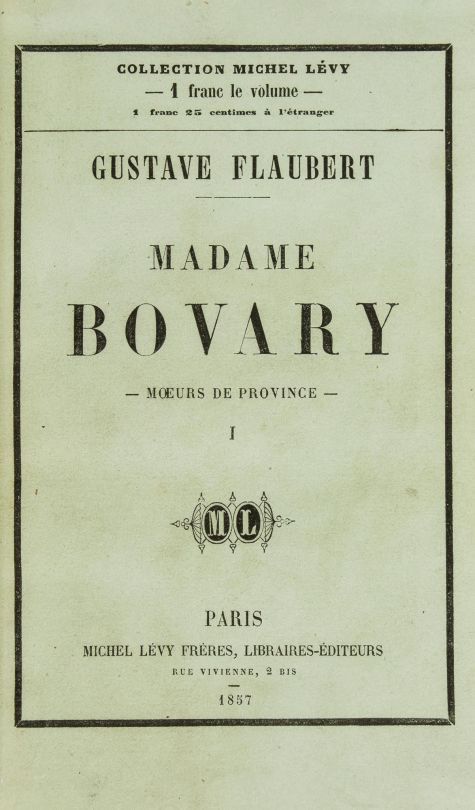
schandaalromans uit de Westerse literatuurgeschiedenis: Gustave Flaubert’s Madame Bovary (1857). Het is een overspelroman
die bij verschijning zeer omstreden was, op een haartje na verboden werd door
de rechter en tot ver in de twintigste eeuw gold als riskante lectuur, vooral
voor (jonge) dames. Dat stond het succes van het boek overigens niet in de weg:
een dergelijke reputatie verschaft een werk al gauw de status van guilty pleasure. Maar met Madame Bovary is meer aan de hand: de
roman is tegenwoordig stevig verankerd in de literaire canon en wordt door
schrijvers steevast genoemd als een van hun favoriete boeken
aller tijden.
Die verschuiving
in de receptie, van morele verwerping naar ultieme consecratie, is niet uniek
voor Madame Bovary.
Literatuurhistorici hebben aangetoond dat juist werken die aanvankelijk
omstreden zijn, kans maken op een plek in de literaire canon. Dat heeft in de
eerste plaats te maken met de publiciteit die met ophef gepaard gaat. Op een
dieper niveau blijkt dat schandaalromans vaak weerstand oproepen omdat
gevoelige maatschappelijke taboes doorbreken en daarmee een
bewustwordingsproces in gang zetten. Ze worden dan achteraf erkend om hun
vooruitstrevende mentaliteit. In het geval van Flaubert is er een derde factor,
namelijk de hoogst vernieuwende literaire technieken die hij inzette voor het
weergeven van de innerlijke strijd van Emma Bovary.
Wat was er precies
zo schokkend aan haar verhaal? Eigenlijk niet eens zozeer het feit dat zij,
nadat haar romantische verwachtingen ten aanzien van het huwelijk zijn
uitgelopen op een desillusie, toegeeft aan de verleiding van het overspel.
Dergelijke verhalen waren, zeker in de Franse literatuur, tamelijk
gebruikelijk. Wat lezers shockeerde, was het ontbreken van moraliserend commentaar
op Emma’s daden. In de beschrijving van haar seksuele avonturen is de roman
eigenlijk heel kuis. We zien Emma bijvoorbeeld met haar minnaar in een
huurrijtuig stappen, waarna de verteller zich concentreert op de koetsier en dan
uitzoomt om te tonen hoe de koets ronddoolt over het Normandische platteland.
Toch werd juist deze passage gecensureerd toen de roman als feuilleton
verscheen in de Revue de Paris. Bij
nadere beschouwing blijkt hij namelijk vreselijk suggestief: de ritmische
opsomming van plaatsnamen verbeeldt het parcours dat de handen van Emma’s
minnaar afleggen over haar lichaam. Hoe pornografisch deze passage eigenlijk
is, legt Bart van Loo op onnavolgbare wijze uit in dit filmpje:
Daar komt nog bij
dat deze scène een heel gewelddadige ondertoon heeft, vol doodssymboliek; als
lezer voel je op je klompen aan dat Emma ook hierin het geluk niet vindt.
Emma Bovary proeft
dus van de verboden vruchten en krijgt de rekening gepresenteerd. De gladde
verleider Rodolphe is al snel op haar uitgekeken en stuurt een laffe
afscheidsbrief, verstopt onderin een mandje abrikozen. Emma krijgt acuut een nervous breakdown die het begin inluidt
van een depressie met fatale gevolgen. Haar naïeve man begrijpt er niets van en
vraagt zich af of zij misschien iets verkeerds heeft gegeten… De zachte, zoete
abrikozen met hun bittere pit fungeren hier als metafoor voor de seksuele
verleiding waaraan Emma is bezweken. Als je erop let, zie je hoe Flaubert herhaaldelijk
subtiele verwijzingen naar vruchten inzet om het thema van de seksuele
verleiding kracht bij te zetten.
Maar het meest
opmerkelijke aan dit literaire meesterwerk is Flaubert’s gebruik van de vrije
indirecte rede, een voor die tijd vernieuwende vertelvorm waarbij de stem van
de verteller en de belevingswereld van het personage in elkaar overlopen.
Hiermee creëert Flaubert een grote mate van ambiguïteit; zijn zogenaamd
objectieve verteller toont tussen de regels door afwisselend empathie en kritische
ironie ten opzichte van de hoofdpersoon:
Zij fluisterde telkens weer:
“Ik heb een minnaar! een minnaar!” En dit idee wond haar op, alsof zij nu pas
echt een vrouw was geworden. Eindelijk zouden haar dan toch die vreugden van de
liefde ten deel vallen, dat koortsig geluk, aan het bezit waarvan zij al
gewanhoopt had. Nu wachtte haar een heerlijk leven, met een en al hartstocht,
extase, zinsverrukking: een blauwe oneindigheid breidde zich rondom haar uit,
de pieken van het gevoelsleven schitterden voor haar geestesoog, en het
alledaagse bestaan schemerde alleen nog maar weg in de dalen, diep beneden deze
hoge uitkijkpost.
Een
negentiende-eeuwse lezer, niet gewend principieel onderscheid te maken tussen
auteur, verteller en focalisator, zal deze passage al gauw hebben opgevat als
een weergave van de mening van Flaubert. Tijdens het proces werd hem dan ook
verweten dat hij reclame zou hebben gemaakt voor overspel. Flaubert’s advocaat
ontkende niet de subversieve teneur van dergelijke passages, maar stelde dat
het tragische einde van de hoofdpersoon een voldoende afschrikwekkende
boodschap bevatte. Dat een roman potentieel gevaarlijk was en daarom een stichtelijke
moraal diende te bevatten, daarover waren aanklager en verdediger het eens. Het
kwam niet in hen op om de autonomie van de kunst (l’art pour l’art) als argument naar voren te brengen, een opvatting
die Flaubert zelf overigens wel huldigde.
Madame Bovary kent een boeiende receptiegeschiedenis,
waarin het proces tegen Flaubert voortdurend meeresoneert. Bekijk bijvoorbeeld
de trailer van de Hollywoodverfilming van Vincente Minnelli (1949):
Met deze film is
iets merkwaardigs aan de hand, want hij lijkt in eerste instantie te draaien om
de historische persoon Gustave Flaubert. Het verhaal van Emma en haar minnaars
is ingebed in een raamvertelling waarin we zien hoe de auteur zich verdedigt
tegen de beschuldiging van immoraliteit. Hij beroept zich op de principes van
het realisme door te zeggen dat hij slechts een nijpend maatschappelijk probleem
heeft willen aankaarten. Het zijn argumenten die een echo vormen van de
rechtzaak uit 1857, maar met de poëtica van Flaubert zelf weinig te maken
hebben.
Uit de manier
waarop de film wordt aangeprezen, blijkt een zekere sensatiebelustheid (‘A
great story of a woman’s reckless pursuit of love… and of three man, among
many, who loved her!). Minnelli heeft ongetwijfeld willen meeliften op het succès de scandale van de roman, maar
stuitte daarbij op de morele censuur van Hollywood. De zogenaamde Hays Code
stelde namelijk dat ‘Adultery, sometimes necessary plot material, must not be
explicitly treated, or justified, or presented attractively’. De regisseur moest
daarom flinke ingrepen doen in het
verhaal om het acceptabel te maken. Het is slim dat hij het verhaal inkadert in
de rechtzaak, die eindigt met de vrijspraak van de auteur. Daarnaast schrapt
hij erotische getinte scènes zoals de rit in de koets en zet hij Emma Bovary neer als een narcistische femme fatale.
Minelli’s film is,
zoals alle bewerkingen, een tijdgebonden interpretatie van deze universele
klassieker. Iedere generatie geeft zijn eigen invulling aan het personage Emma
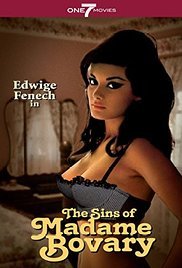
Bovary, van de onbeschaamde stoeipoes in Die nackte Bovary uit 1969 tot de tragisch-feministische
interpretatie van de heldin door Isabelle Huppert in de bekende verfilming
van Claude Chabrol (1991).
Terwijl deze verfilmingen al gauw gedateerd aandoen en geen recht kunnen doen
aan de specifieke literaire kwaliteiten van Flaubert, blijft de roman Madame Bovary de moeite van het
(her)lezen waard. Ruim anderhalve eeuw na zijn geruchtmakende verschijning op
het literaire toneel heeft deze verleidelijke vrucht met zijn bittere kern nog
niets van zijn smaak verloren.
Literatuur Gustave
Flaubert, Madame Bovary. Vertaling
Hans van Pinxteren. Amsterdam: L.J. Veen, 2007.
Elisabeth
Ladenson, Dirt for Art’s Sake. Books on
Trial from Madame Bovary to Lolita. Cornell University Press, 2007.
Admit, do you ever buy fast fashion? After all, it is difficult to
resist buying that incredibly cheap t-shirt or jeans that makes you look so
fashionable for this season. Yet, are you aware of the enormous cost of cheap fashion?
As the filmmakers of the
documentary The True Cost say: ‘The
price of clothing has been decreasing for decades, while the human and
environmental costs have grown dramatically’. The American fashion industry magnate, Eileen Fisher, recently exclaimed
that ‘the clothing industry is the second largest polluter in the world—second
only to oil’. While this may be a hyperbolic claim, it is well-known that the
fashion industry excels in waste, pollution, and exploitation of human labour
and natural resources.
Fast fashion emerged at the
end of the 1990s and is characterized by rapid changes in style, ever faster
cycles of global production and consumption, and ever cheaper products. Fashion
is one of the biggest and most
rapidly growing industries that is currently valued at 3 trillion dollars and employs
about 75 million people globally. 90% of the clothes is produced in low-wage
countries, mainly in Asia, while in the price calculation for a piece of
clothing a maximum of 1 or 2 % is accounted for by the wages of mostly female
(80%) textile workers. The fashion industry is a thirsty business, requiring a
lot of water to produce its goods. The manufacturing of a pair of jeans
typically requires about 11,000 litres of water and involves highly toxic dyes.
Due to systematic overproduction, however, the jeans may end up unused on a
waste heap: a staggering 30% of clothes in shops remains unsold. These are
astounding figures.
It is quite a big challenge to make the complex
fashion system more sustainable and more ethical, yet we need to stop the spiralling cycle of
producing and consuming ever more and ever faster. If the problem is a 24/7
society ‘in which producing, consuming, and discarding occur without pause,
hastening the exhaustion of life and the depletion of resources’, as Jonathan Crary
writes (2013: 17), then the solution is to slow down. ‘Slow’ fashion focuses on
creating ethical and sustainable relations between people and their
environment. You don’t have to look far, because some fast fashion chains like
C&A and H&M now feature ‘green’ clothing lines with recycled fibres and
fabrics.
There are many initiatives
of creating slow fashion in the Netherlands. To name just a few: the Dutch
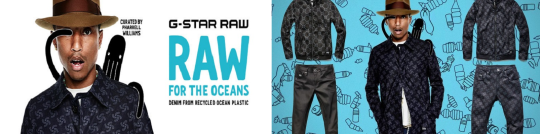
jeans brand G-star and singer Pharrell Williams launched together ‘RAW for the
Oceans’, a project that uses recycled ocean plastic to create a collection of
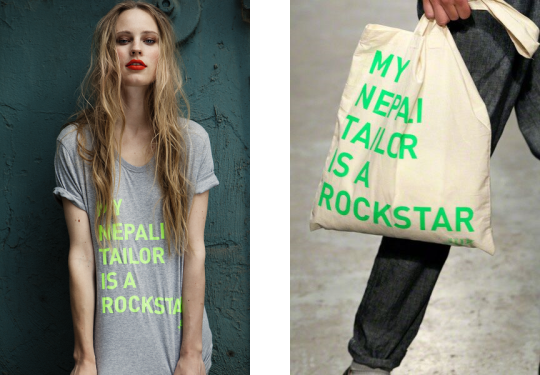
fabrics, including two new sorts of denim. Studio Jux produces the
majority of garments in its very own garment factory in Kathmandu, Nepal. Each
garment made in that factory contains a numbered label, which corresponds to
one of the Nepali tailors that buyers can ‘shake hands with’ on the company
website. At MUD Jeans you can lease your jeans and at
Oh My Bag you can buy fair trade bags. There are clothing libraries where you can
borrow or exchange clothes. Finally, there are of course the developments to
recycle old clothes and textiles—on a more industrial scale at Texperium where for
example KLM uniforms are recycled and made into new products. Marjanne van Helvert recycles
in a more artsy way for her Dirty Design project. So
many inspiring examples!
Let’s displace today’s cult
of speed and start a movement of ‘slow’ fashion!
Vorige week, op 2 maart, was het World Book Day. Zonder enige weet van
dit UNESCO-initiatief was ik op die dag in de Morgan Library & Museum in New York
City, waar een groepje zesjarigen een rondleiding kreeg. Toevallig ving ik het
begin van de rondleiding op: “I am going to show you Morgan’s collection today.
Does any of you know what a collection
is?” Vier handen gingen de lucht in: “It is when you get things, or you buy them,
and then you have a lot of them”. “That is an excellent definition. Now, who of
you has a collection?” Acht handen ditmaal, alle kinderen verzamelden wel iets: “Me and
my sister collect books and shells.” “That sounds
like a wonderful collection. Why do you collect books and shells?” “Because they make us
happy”.
De uitvinding van de boekdrukkunst heeft grote veranderingen in de
samenleving en maatschappij teweeggebracht. Niet alleen veranderde deze
uitvinding sociale en economische structuren en werden grote hoeveelheden
informatie goedkoper en dus toegankelijker en makkelijker te verspreiden; de
groeiende hoeveelheid boeken zorgde ook voor een (her)structurering van
archieven, universiteiten en bibliotheken.
Wetenschappers in de zestiende en zeventiende eeuw werden
geconfronteerd met een schijnbaar eindeloze informatiestroom, en werden
gedwongen om manieren te bedenken om daar grip op te krijgen – de overgang van
‘gedrukte handschriften’ naar (handzame) boeken met titelpagina’s,
inhoudsopgave, voorwoord en inleiding, index en zelfs flapteksten en recensies
ging niet over één nacht ijs – en datzelfde geldt voor vroegmoderne
archivarissen en bibliothecarissen die moesten bedenken hoe en waar al die
boeken verwerkt, opgeslagen en gelezen moesten worden.
Hoewel gevoelens van een overaanbod aan informatie dus niet een louter
eenentwintigste-eeuws fenomeen zijn, brengen de huidige digitale middelen de
afgelopen decennia veranderingen van soortgelijke grootte met zich mee in de
geesteswetenschappen. Het vrij nieuwe wetenschapsveld van de ‘Digital
Humanities’, waarvoor vrijwel niemand een Nederlands equivalent gebruikt,
gaat uit van het principe dat het gedrukte woord niet langer het voornaamste
medium is van kennisproductie en –verspreiding, en houdt zich onder meer bezig
met het ontwikkelen van manieren om grip te krijgen op de veelheid aan digitale
informatie.
Veel bibliotheken worstelen tegenwoordig niet alleen met
financiële bezuinigingen, maar ook met de mogelijkheden en moeilijkheden die
het digitale tijdperk biedt. Regelmatig gaan er stemmen op dat bibliotheken
mettertijd overbodig zullen worden. Het is natuurlijk geweldig dat bijna alle
informatie tegenwoordig (al dan niet tegen betaling) online toegankelijk is. Op Delpher, kun je nu al miljoenen
gedigitaliseerde teksten uit Nederlandse kranten, boeken en tijdschriften doorzoeken
op woordniveau, en de database zal de komende jaren alleen maar groeien.
Daarnaast scheelt het enorm in ruimte als niet al die gegevens in een
bibliotheekkast bewaard hoeven te worden. Een vrijwilliger in de New York Public Library vertelde me beeldend
dat een stapel die opgebouwd was uit alleen het laatste exemplaar van elk
tijdschrift waarop NYPL geabonneerd is het Empire State Building in hoogte zou
overtreffen.
Maar dat alles altijd en overal digitaal raadpleegbaar is heeft
ook een keerzijde. Als alles digitaal beschikbaar is en iedere hippe koffiebar
tegenwoordig WiFi aanbiedt, waarom zou je dan nog naar de bibliotheek gaan? Het
is juist in deze omstandigheden dat bibliotheken hun waarde als meer dan
slechts een opslagplaats van informatie tonen. Wat is het dat die vrijwillige
enthousiaste rondleiders en de mensen die zelfs op zondag in de leeszaal zitten
aantrekt? Op de buitenmuur van de openbare bibliotheek van Princeton, waar ik af
en toe aan het werk ben deze maanden, staat een citaat van Borges (in het
Engels, weliswaar): “I have always imagined that paradise will be a kind of
library”. Een medestudent zei me afgelopen week ongeveer hetzelfde, maar dan
negatief geformuleerd: “Without the library I would feel awfully lonely here in
Princeton.” Ter gelegenheid van de World Book Day waar ik tot vorige week nooit
van had gehoord schreef kinderboekenschrijfster Nicola Davies in The
Guardian een
korte lofzang op de (openbare) bibliotheek en haar medewerkers, waarin ze stelt
dat deze een vitale rol vervullen in onze samenleving: “Without librarians and the libraries they make we are less alive, less
human, more profoundly alone”.
Toen ik zelf zes was, verzamelde ik niet alleen ook boeken en
schelpen, maar wilde ik tevens graag Belle uit Belle en het Beest zijn. Niet
omdat ik graag zoals mijn leeftijdsgenote Emma Watson op alle filmposters voor
de première van deze week wilde staan – die gele jurk staat haar, zoals
eigenlijk alles, veel beter dan mij – maar omdat ik zelf ook zo gelukkig zou
zijn met en in de bibliotheek (inclusief de globes en de houten trappen langs
de kasten) die ze krijgt in de Disneyfilm. De
mogelijkheden van digitalisering en digitale media zijn groot en groots, en het
effect is misschien wel van dezelfde orde van grootte als dat van de uitvinding
van de boekdrukkunst een krappe 600 jaar geleden. Maar tot op heden heb ik nog
nooit iemand horen zeggen er minder eenzaam of zelfs gelukkig te worden van een
collectie gedigitaliseerde boeken, en wat dat betreft zijn die zesjarigen de
beste bewijzen en ambassadeurs voor het behoud van fysieke boekencollecties – niet
in de laatste plaats vanwege de toevoeging van schelpen.
Foto: Morgan Library & Museum (foto: Martje de Vries)
Kort geleden werd mecenas Joop van den Ende uitgeroepen
tot de invloedrijkste gever van het jaar 2016-2017. Hij voert de
mecenassen-top-100 aan die door filantropie-platform De
dikke blauwe werd samengesteld. Volgens De dikke blauwe is Van den Ende in Nederland dé “verschilmaker in
de wereld van doneren & sociaal investeren” omdat hij met zijn Vandenende Foundation al vijftien
jaar grootscheeps investeert in cultuur. Hij doet dit zowel “uit pure
hartstocht voor de kunsten” als uit onversneden ondernemerschap. Ondanks de zakelijke
ondertoon van Joops mecenaat benadrukt De
dikke blauwe dat zijn giften “recht uit het hart [komen] zonder enige vorm
van schone schijn of mooidoenerij voor eigen imagogewin”. Dit maakt Van den
Ende volgens hen het ideale filantropische rolmodel voor aspirant-mecenassen
die aarzelen de stap richting cultuurondersteuning te zetten.
Om het mecenaat te laten bloeien zijn zulke rolmodellen
broodnodig, want goed voorbeeld doet goed volgen. Dat vond ook voormalig
staatssecretaris Halbe Zijlstra, die in 2011 benadrukte
dat het tijd werd dat particuliere gevers uit de coulissen traden en gezamenlijk
zouden werken aan een cultuur waarin openlijk geven de norm werd.
Toch zijn dit soort voorbeeldige gevers in Nederland nog
schaars. De meeste mensen kunnen naast Joop van den Ende maar weinig prominente
cultuurmecenassen noemen. En al kennen we de namen (van Han Nefkens bijvoorbeeld, of van Joop van
Caldenborgh), dan nóg blijft veelal onduidelijk welke diensten deze gevers
nu precies aan de kunsten verlenen, en onder welke voorwaarden. Komt hun mecenaat
inderdaad “uit pure hartstocht” en “zonder mooidoenerij voor eigen imagogewin”
tot stand?
Museum Boijmans van
Beuningen biedt sinds enkele weken een interessant en nieuw antwoord op dit
soort vragen. Het museum wijdt op dit moment een tentoonstelling aan de
culturele invloed van mecenassen. De
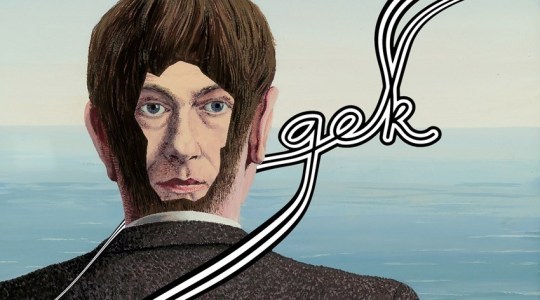
expositie ‘Gek van
surrealisme’ focust op vier weldoeners die steun gaven aan het surrealisme,
en laat prachtig
zien hoe veelvormig het weldoenerschap kan zijn. Hedendaagse weldoeners
kunnen veel leren van de inventieve manieren waarop kunstenaars in de jaren
dertig werden ondersteund.
Zo kunnen Nederlandse mecenassen wellicht een inspirerend
rolmodel vinden in de excentrieke Brit Edward
James (1907-1984) die zich, zo laat de tentoonstelling zien, onmisbaar
maakte als opdrachtgever
van Salvador Dalí en klankbord
voor René Magritte. James’ invloed op beider carrière was immens. Toch was deze
mecenas niet bepaald het type van de dienende en zakelijke weldoener die De dikke blauwe zo graag ziet. James was
zonder gêne uit op “eigen imagogewin” en wist juist door die gretige neus voor PR het vertrouwen van
zijn surrealistische protégés te winnen. De bij tijden explosieve match tussen
de “passie en gekte” van de kunstenaars en hun weldoener zorgde ervoor dat
beide partijen elkaar des te makkelijker wisten te vinden.
In ons land lijken de oer-Hollandse vuistregels ‘doe
maar gewoon’ en ‘wees vooral bescheiden’ ook voor mecenassen op te gaan. Museum
Boijmans roept ons op om wat verder te kijken dan dat en laat zien dat voorbeeldfiguren
als Edward James (en zijn ook vrij flamboyante collega Roland Penrose) de weg kunnen wijzen naar
een ander – en wat mij betreft inspirerender –
model.
De regering-Trump wil een einde maken aan de federale fondsen voor kunst
en culturele ontwikkeling. Het afschaffen van de National Endowment for
the Arts was al langer de wens van conservatieven in de VS. De
lobbyvereniging van kunstliefhebbers roept iedereen op eind maart op de
Arts Advocacy Day op Capitol Hill te komen. Ze mobiliseert makers en
professionals, maar ook honderdduizenden kunstliefhebbers en donateurs.
In Nederland is er geen landelijke lobbyvereniging van
cultuurliefhebbers. Er zijn wel veel vriendenverenigingen en
steunstichtingen rond musea, concertgebouwen en gezelschappen. Enkele
zijn groot, zoals de Vereniging Rembrandt (15.000 leden) en de
Vereniging van Vrienden van het Concertgebouw en het Concertgebouworkest
(20.000 leden). Ook zijn er tot in alle hoeken van het land fans die
relaties onderhouden met plaatselijke cultuuraanbieders.
Dit gebrek aan een kunstlobby brak ons op in 2010. Rutte I (VVD-CDA)
bereidde toen, met steun van de PVV, een onevenredig grote korting voor
van 200 miljoen euro op cultuur. Kunstenaars werden gestraft omdat ze
met ‘hun rug naar de samenleving’ zouden staan. Het protest tegen de
bezuiniging maakte destijds weinig indruk. Waarschijnlijk omdat het
beperkt bleef tot de direct betrokkenen: kunstenaars en wat
sympathisanten.
Ook in Rutte II (VVD-PvdA) lukte het minister Bussemaker niet de
politieke speelruimte te vergroten. De cultuurpolitieke teneur was
verdere versobering. Toen het Rijksmuseum incidenteel ‘winst’ maakte,
werd in het parlement subiet geopperd de subsidie te korten. Bussemaker
deed ook nog een onbekookte poging de monumentenbezitters hun
onderhoudsaftrek afhandig te maken. Bij het verzet daartegen speelden
particuliere belangenverenigingen een belangrijke rol. Het zijn
kennelijk vooral numeriek indrukwekkende menigten die het klaarspelen de
politiek terug te fluiten. Zo wisten de 720.000 leden van de Vereniging
Natuurmonumenten te voorkomen dat de rijksoverheid de domeinen van
Staatsbosbeheer aan de meestbiedende verkocht.
We moeten ook het culturele draagvlak tot een politiek onontkoombare
factor omsmeden. Overal signaleren we de aanhankelijkheid van
liefhebbers van kunst. Vrienden melden zich bij de nationale musea,
podia en festivals, en misschien nog wel meer bij instellingen in de
directe omgeving. Het SCP schat dat de losse museumverenigingen 250.000
liefhebbers op de been kunnen brengen. Particuliere fondsen als het
Prins Bernhard Cultuurfonds kennen donateurs, de grote muziekgebouwen
kringleden en er zijn talloze leesgezelschappen en organisaties voor
amateurkunst.
De tijd is rijp om een enorme club van kunstvrienden te maken, sterk
genoeg om op de bres te staan voor de publieke belangen van cultuur in
Nederland. Laat alle verenigingen zich digitaal aaneensluiten tot een
landsbrede club van gefedereerde vrienden. Dat kan zonder
organisatorische heisa en ook nog vóór de verkiezingen gepiept zijn.
Dit artikel verscheen eerder in de Volkskrant (2-2-2017).




 Culture Weekly