Een alweer-te-warme dag in 2026. Het academische jaar is weer begonnen. Ik scroll wat op mijn telefoon, lees het nieuws, open mijn mail, sluit mijn mail, bekijk een filmpje, stop het filmpje. Ik vergrendel mijn scherm. Nee. Vandaag wil ik niet achter mijn scherm doorbrengen. Vandaag wil ik boeken kopen. Veel boeken, het liefst tweedehands, oud, een beetje smoezelig. Hoe meer, hoe beter.
Mijn voornaamste reden is mijn brein. Ik wil mijn brein beschermen. Ook mijn ogen en rug, die inmiddels zo gewend zijn aan het staren naar een scherm en het vooroverbuigen naar mijn laptop toe, zouden wat meer aandacht kunnen gebruiken, wat meer afstand en beweging. Maar het is vooral mijn brein dat me zorgen baart, en niet alleen het mijne.
Met de opkomst van “AI” (een marketing term) is het verleidelijk om lekker makkelijk het voorgestelde antwoord te accepteren dat deze modellen me voorschotelen. Het is té makkelijk, té handig, té smooth. Maar waar kijk ik eigenlijk naar? Large Language Models (LLMs) berekenen de statistisch meest waarschijnlijke woorden op basis van de data waarop ze zijn getraind. Ik kijk naar output op basis van gemiddelden, gegenereerde woorden op basis van andere woorden, zonder directe relatie tot de wereld, feiten, waarheid, ethiek. Lege taal geformuleerd door modellen die mijn denkwereld inkruipen, mijn denken ondermijnen door me voor te zijn.
In dit filmpje wordt uitgelegd hoe het onderwijs in de VS lijkt te lijden aan de opkomst van LLMs en andere vormen van generatieve AI. Kinderen lijken moeite te hebben met leren lezen en schrijven, lijken minder sociale vaardigheden te ontwikkelen, lijken meer toe te vertrouwen aan bots en minder aan de mensen om hun heen. Of zoals een voormalige Googlemedewerker en de oprichter van character.ai lollig grapte in een interview: met hun nieuwe app willen ze niet Google vervangen, maar “je moeder.” Wie heeft er nog een therapeut, docent of ouder nodig, als deze technologie er ook voor je kan zijn? Een technologie die altijd beschikbaar is, geen eigen grillen heeft, geen menselijke imperfecties, en die altijd luistert, geruststelt, bevestigt. Nooit moe, nooit chagrijnig, nooit “nee”. Perfect, frictieloos. Ik snap de verleiding, zeker in tijden van chronisch tijdsgebrek, gebrek aan volle aandacht voor elkaar.
Ondertussen staan we onze data af aan deze bedrijven, die niet uit zijn op ons welzijn, maar op winst, ten koste van alles, inclusief (mensen)levens, democratie en planeet. Ze kopen oude boeken op, om die vervolgens te scannen en te vernietigen. Kennis en macht wordt geprivatiseerd, wordt de gemeenschap ontnomen. Het zijn bedrijven die ons denken vertroebelen. Ze beloven efficiëntie, maar zijn ook antidemocratische verwarringsmachines die ons doen vervreemden van elkaar en onze kennis.
Dus is het tijd om ons te buigen over boeken. Van geprinte boeken in een kast weet ik zeker dat ze er zijn, onveranderlijk. We moeten onze bibliotheken beschermen, onze papieren bondgenoten koesteren, zo goed als we kunnen.
Moeizaam ontworstel ik me daarom aan mijn scherm en pak een boek: een boek waarin ik misschien aantekeningen maak, of ezelsoren, waaruit ik selecteer wat belangrijk is, wat ik wil onthouden, en waarin ik lees in mijn eigen tempo, zonder dat wie dan ook meet hoe snel of langzaam dat is en op welke woorden mijn ogen blijven hangen. Ik wil dat mijn denken van mij is, privé, terwijl ik weet dat we altijd in relatie tot elkaar denken, het samen moeten doen.
Samen denken is in essentie mijn werk als academisch docent: met collega’s, met studenten, met geschreven woorden van anderen. Het is een collectieve activiteit in een publiek – geen privaat – domein. Ik wil deze imperfecte uitwisselingen aangaan, misverstanden uitpluizen, moeite doen, hoe moeizaam en langzaam dat ook mag gaan. Ik wil me ergeren aan de aantekeningen en vouwen van eerdere lezers, ik wil grammaticale inconsistentie en verrassingen tegenkomen, ik wil frictie, ik wil denken. Samen met de mensen om me heen.
En met door mensen geschreven en geredigeerde boeken, hoe gebrekkig ze soms ook zijn. Ze nemen ruimte in, raken zoek en vragen tijd. Maar ik vertrouw ze. Ik gun ze de beperkte aandacht van mijn vermoeide ogen, rug en brein.
Dit stuk is geschreven door Doks Versteegh in het kader van het vak Kunstkritiek
De grote ADHD experivaganzavan Thomas van Luyn is te beschrijven als ‘ADHD-on-ADHD-crime’. Door ADHD als onderwerp te gebruiken voor een theatershow hebben duizenden ADHD’ers door het hele land nu een uur lang stil moeten zitten in een theaterzaal, waar ze heen zijn gesleurd door hun familie of vrienden (“Kijk, het gaat over jou!”). Als een van de ongelukkige slachtoffers zat ik op 19 september in het Chassé Theater Breda in spanning af te wachten hoelang het nog zou duren tot de voorstelling begon. In ware ADHD-fashion was Van Luyn namelijk te laat. Toen hij uiteindelijk toch begon, leunde ik achterover en gaf me over aan het stilzitten.
De televisiemakers charisma is voor de generatie die opgegroeid is met kopspijkers, met Studio Snugger, hem tegen is gekomen in Wie Is De Mol 2022, of een voorstelling van zijn cabaretgroep Ajuinen en Look niet onbekend. Zoals verwacht van de model-ADHD’er danst hij haast op het podium terwijl hij sneller anekdotes uitslaat dan ik door TikToks kan scrollen. Hier ligt de grootste sterkte van zijn theaterstuk ook; Van Luyn slaagt erin om zijn publiek het gevoel te geven dat ze hem net hebben ontmoet op een feestje en nu naar een dikwijls chaotische vertelling van een van zijn verhalen aan het luisteren zijn. We lachen hem zowel toe als uit, terwijl hij vertelt over zijn ‘administratie’ (papieren op een zo klein mogelijk oppervlak leggen en niet meer aan denken), of wanneer hij ons vertelt dat de chaos in de Kruidvat alleen maar veroorzaakt kan zijn door ADHD’ers. Typisch Hollandse zelfspot wordt gebruikt als een schild om de daadwerkelijke moeilijkheden van leven met ADHD wat behapbaarder te maken.
Soms lijkt Van Luyn het echter zo behapbaar te willen maken dat het materiaal in gepureerde babyvoeding verandert. Hij benoemt serieuze onderwerpen wel, maar heeft ogenschijnlijk niet de intentie om dit echt hard aan te laten komen. Zo benoemt hij dat hij een tijd lang heeft geworsteld met een verslaving aan videogames, wat zorgde voor problemen in zijn huwelijk en bij het opvoeden van zijn kind. Zo verwoord klinkt het best heftig, maar de toon waarop Van Luyn dit verkondigt zou je doen denken dat hij aan het vertellen is over een bijzonder mislukte pannenkoek. Enerzijds is het oké voor cabaret om serieuze onderwerpen bespreekbaar te maken aan de hand van humor. Anderzijds lijkt Van Luyn met dit theaterstuk iets meer weg te willen zetten dan gewoon een stuk theater dat alleen maar amuseert. Hij stelt zich ontzettend kwetsbaar op en probeert zijn hele levenservaring in één ‘experivaganza’ te delen met het publiek. Hierbij durft hij zijn voet kennelijk echter niet volledig van het gaspedaal te halen en stil te staan in de zwaarste gebieden van zijn belevingswereld.
De humor doet immers zijn voordeel met het hoge tempo. Als bezeten door Jochem Meyers geest beweegt Van Luyn zich over het podium. Van het ene onderwerp raakt hij op een zijspoor, dan weer op een bijspoor, dan op een bijzijspoor tot ook jij niet meer weet wat nou ook weer het hoofdspoor was. Dit werkt uitstekend op komisch vlak. Soms raakt de rode draad hierdoor wel makkelijk verloren, waardoor de toeschouwers (al helemaal de ADHD’ers) nog wel eens afgeleid op een eigen ongerelateerd zijspoor kunnen belanden. Het is immers even leuk om een onbekende te ontmoeten op een feestje, maar na een uur lang alleen maar geluisterd te hebben, dwaal je vaak toch een beetje af. Dit graprecept heeft een uitstekende basis, maar blijft af en toe iets te lang in de oven zitten.
Waar hij de auto af en toe echter wel parkeert, is in de muzikale territoria. Hij speelt drie nummers gedurende het theaterstuk. Deze beginnen, in de stijl van het gehele chaotische stuk, op onverwachte momenten en bovenal met onvoorspelbare instrumenten. Het ene nummer zit hij achter de piano, en het volgende verschijnt een ukelele plotseling in zijn armen. Deze muziek voegt een derde dimensie toe voor stuiterbal Van Luyn om zich in te bewegen. Hoewel de muziekstukken misschien niet geheel Idols-waardig zijn, zijn ze vast en zeker experivaganza-waardig. Met de muziekstukjes slaagt Van Luyn er het best in om het volledige bereik van zijn theater te laten zien. De nummers zijn tegelijk grappig en chaotisch, en weten op deze manier de ADHD-geest ontzettend goed te vangen, maar durven ook juist serieuzer en droeviger te zijn. De muziek gaf mij het gevoel dat de obstakels die ik in het dagelijks leven tegenkom echt gezien werden door de man die voor me stond. Dat is waarvoor ik op het eind dan ook applaudisseer; dit is iets waar veel kunst immers niet in slaagt.
Van emotionaliteit naar rationaliteit, Van Luyn verwerkt af en toe ook nog een wetenschappelijk segment. Hij stelt een vraag over ADHD aan presentatrice Anna Gimbrère, die hier vervolgens via een videoverbinding een biologisch antwoord op geeft. In tegenstelling tot de muzikale dimensie, is de ruimte die hier toe wordt gevoegd in mijn optiek te verwaarlozen. Deze segmenten voelen namelijk aan als één van de half-afgemaakte ADHD-ideeën die hij dikwijls benoemt tijdens de voorstelling. Deze voorstelling heeft als doel de ervaring (experi(ence) zit immers in de naam) van ADHD over te brengen op een komische manier. Uitleggen door welke stofjes ADHD veroorzaakt wordt, slaat in beide gevallen de plank mis en raakt hierbij per ongeluk de plank van verveling. Veel meer kan ik je jammer genoeg niet vertellen over de stukjes; wel heb ik in de tijd dat ze speelden een boodschappenlijstje in mijn hoofd opgesteld!
De grote ADHD experivaganza is in zekere zin precies wat het belooft. Een chaotisch stuk dat het ‘normaal’ van ADHD’ers op groteske manier afbeeldt. Sommige delen weten dit heel effectief te doen. Door Van Luyns karakter en sterke manier van vertellen wordt het publiek betrokken bij zijn belevingswereld en voelt het een tijdje daadwerkelijk alsof je in zijn hoofd leeft. Sommige blijken echter iets te extravagant of misschien iets te ADHD om helemaal goed te werken in het theater. Het stuk is doelmatig chaotisch, maar dat zorgt er ook voor dat sommige delen niet helemaal tot hun recht komen en dat de rode draad soms lastig te volgen is. Van Luyn beschrijft dat hij vaak stapeltjes maakt in plaats van echt zijn ruimte goed te ordenen. Dit stuk is wellicht ook zo’n kamer. In plaats van dat er echt een coherent stuk gevormd is, zijn dit eerder stapeltjes, stapeltjes, stapeltjes. In sommige van deze stapeltjes is echter wel goud te vinden.
Dit stuk is geschreven door Mijs van Iersel in het kader van het vak Kunstkritiek
Een liedje over beffen en de orgasmekloof, het nummer “LEKKER MET DE MEIDEN” en een jolig nummer over een kneuterige kerst met je gezin – al sinds haar doorbraakhit in 2019 is MEROL een onmisbare noot in het Nederlandse poplandschap. Meestal werden haar liedjes vol scherpe observaties en maatschappijkritiek onthaald met wat gegiechel – want ja, een vrouw die over seks zingt, dat neem je toch niet serieus? Maar met haar nieuwe album Leve De Feeks toont Merel Baldé dat ze allang niet meer gezien hoeft te worden als dat meisje met de rode haren dat grappend zingt over het kerstfeest of orale seks; een verstikkend hokje waar ze door de mainstream-media en critici lang in werd geplaatst. Nu Baldé volop zuurstof opeist door zich daar nog maar weinig van aan te trekken, komt ze volledig tot haar recht op een plaat die MEROL schreeuwt. Waar ze in 2019 nog de scherpe feministische randjes wegschuurde, en zichzelf zelfs een “perongeluk-feminist” noemde, contrasteert Leve De Feeks met een heel ander geluid. Onderwerpen die op haar eerdere albums al werden aangesneden, verpakt in een pop-pakketje, dreunen nu als een bombrief met een technobeat door de speakers. Aan alles merk je overduidelijk; het is urgent dit keer.
Die urgentie is te voelen in elk van de 12 nummers op het album. Al vanaf het eerste refrein van het eerste liedje, wordt het duidelijk dat niks of niemand Merel een blad voor de mond kan doen nemen. Zowel de tekst als de instrumentatie laten zich niet weglachen of wegzetten bij het oud vuil. Het eerste nummer op de tracklist, “Hardnekkig”, opent dan ook met een snijdende, bassige synth. Merel confronteert een denkbeeldige man (of het patriarchaat?): ‘Je staat best open voor een mening / Maar niet van een boze schreeuwerige feminist.’ Zo. De toon is gezet. En dit blijkt nog maar het topje van de muzikale ijsberg te zijn – de échte parels staan wat verder op de plaat.
Voor de productie heeft Merel de handen ineengeslagen met elektronisch muzikant-producer Jeroen Pessemier (bekend van o.a. The Subs). Baldé en Pessemier kozen bij dit album voor een techno-pop sound met een kleinkunst aanpak – dat houdt in dat de tekst eerst werd geschreven, en daarna pas is gecomposeerd. Dat gaat in tegen de heersende popindustrie-idealen, waarbij muziek vooral éérst een goede hook moet hebben, zodat het aanslaat in korte filmpjes op social media. Daarbovenop werd de plaat uitgebracht door Merels eigen platenlabel. Dat betekent dat er geen concessies gedaan worden. En dat er geen platenbazen het creatieve proces in de weg staan door toch nog een radiohitje extra op de plaat te willen proppen. Een plaat die op en top eigen is, waar ze naar eigen zeggen helemaal achter staat. Van de visie tot het eindresultaat; dit is wat het had moeten worden. Dat resulteert in een ontzettend rauwe, rakende plaat waarvan je kan horen dat hij regelrecht uit het hart komt.
Als luisteraar van Leve De Feeks krijg je het gevoel dat je dichter op Merels huid zit dan bij haar andere twee albums. Voorheen voelde MEROL eerder als een soort pop-prinsespersona van Baldé, performend in een studio, met een dergelijke afstand tot haar dagelijkse zelf. Maar op deze plaat versmelt MEROL met Merel. Zo zingt ze bijvoorbeeld over haar kinderwens, en alle gevoelens die daarbij komen kijken, op single “Baby”. Het nummer gaat over het niet zeker weten, wel of niet willen, en dat de tijdsdruk van de maatschappij én haar lichaam daar niet bij helpt. Het lijkt bijna alsof er pagina’s van Merels dagboek beland zijn op de stapel met liedteksten. Die persoonlijke toon zorgt voor kwetsbaarheid, maar zet haar kritische teksten ook kracht bij. Het zijn échte struggles waar échte vrouwen mee te maken hebben, en niet alleen feministische leuzen om gewoon maar te roepen. ‘Heb ik het wel in me als ik twijfel over deze dingen?,’ zingt ze vastberaden in de bridge. Een ander nummer waarin Merel openhartig is over wat er maalt in haar hoofd, is “Uitstekende Kut” (pun intended). Hierin krijgen haar schaamlippen beiden een eigen stem, en schreeuwen ze haar toe dat ze zich maar beter onthoudt van een schaamlipcorrectie, ze zijn goed zo en hebben ook nog nooit een formele klacht ontvangen. Herhaaldelijk schalt het ‘Kut, je kut, je kut is uitstekend / Uitstekend is je kut’ over een fenomenaal geproduceerde industriële instrumental die niet zou misstaan in een zweterige technoclub ergens in Berlijn.
Het album schijnt het felst op de hardere nummers, met knarsende productie, kwade stampende drums en gierende gitaren zoals “Rat”en “Skinroutine, Bikinilijn”. In “Skinroutine, Bikinilijn” rekent MEROL af met schoonheidsidealen op haar lelijkst – en dat is bedoeld als compliment. Haar anders wat meer luchtige vocalen maken plaats voor een hekserig geschreeuw: ‘Ik wil geen beauty zijn / Ik ben het beest / Ik wil geen cutie zijn / Ik ben een feeks.’De gestripte drumbeats in het couplet laden op tot een ontploffing van gitaren en gestomp in het refrein, en met elk woord klinkt Merel kwader. Het nummer voelt als een exorcisme – die schoonheidsidealen maken je blut, ongevaarlijk en onzeker – weg met die stem in je hoofd die daar is geplant door bedrijven die willen verdienen aan jouw onzekerheden.
Leve de Feeks is kwetsbaar, gedurfd, vlammend, troostend en zonder excuses. Maar bovenal klinkt er oprecht, bevrijd plezier door in de klanken van de plaat. Aan alles is te horen dat MEROL zich heeft losgevochten van verwachtingen en schaamte, waardoor haar passie en boosheid luid en duidelijk te horen zijn. En geef haar eens ongelijk; in een wereld als die van vandaag, mogen we als vrouwen best allemaal een beetje bozer zijn. En die boosheid vooral niet wegstoppen om behaaglijk te zijn. Met dit album geeft MEROL ons een extra duw in de rug om onze innerlijke feeks vrij te laten.
Whether you’re looking for an album to soundtrack your summer picnics in the park, a TV series, documentary, or film for a rainy day, or a good book to read on the train or in the garden, we have you covered! The Arts and Culture Studies team has compiled a list of books, TV series, films and music that we recommend for the summer. We hope you’ll find these just as interesting as we did.
Florette Dijkstra, De sprong in het licht (Querido, 2025)
The summer holidays are perfect for big books and biographies. The latter tend to be big anyway, because lives are long – especially when you’re lonely, to quote one of my favourite bands. If you’re looking for a great example of contemporary biography about a fascinating historical figure, try Florette Dijkstra’s De sprong in het licht. It tells the life story of androgynous British artist Marlow Moss (1889-1958), who inspired the double line motif in Piet Mondrian’s famous grid paintings, but never received the same acclaim. It’s an exciting story to read, as Dijkstra deviates from conventional biography by focusing on her own pursuit of archival material and neglected art works. The book’s currently only available in Dutch, but it’s beautifully illustrated, as befits its subject.
Dennis Kersten
Brigid Brophy – In Transit
Whether you’re travelling by air, train, car, or in your favorite armchair at home, Brigid Brophy’s recently—and beautifully!—re-issued 1969 experimental non-binary anti-novel In Transit is just what you need this Summer! Set at the international terminal of an unidentified airport—non-place par excellence—it explores in a wildly riotous pun-full narrative what happens when the protagonist, afflicted by “language leprosy,” becomes of indeterminate gender.
Liedeke Plate
Wakker in Paraguay – NPO Documentary series
This is a documentary series about a (growing) group of Dutch people who are filled with such strong distrust towards society, authorities, the government, that they decide to emigrate to Paraguay to live a ‘free’ life. The series follows a diverse group of people, some of whom have become known to the public during the Covid-crisis, many of whom share (extreme) nationalist views and their discourse is steeped in conspiratorial thinking. It’s a fascinating series that gives deeper insights into this group which is normally not very open to the media, and it follows them in a personal and nuanced way but still makes all the contradictions in their world-views obvious. One of the most striking scenes for me personally was a newly emigrated Dutch immigrant woman in Paraguay searching for land to build a her house for her new life of happiness in free Paraguay, while complaining to the real estate agent that one of the reasons why she left Holland was because in the Netherlands, the immigrants are taking all of the housing, so locals like her own daughter cannot find a place to live anymore.
Melanie Schiller
Hanna Johansson – Antiquity, English transl. by Kira Josefsson (2024)
A book that I read last summer and lingered in my brain longer. Set in Greece, it features an unnamed narrator and unfolds with a queer narrative that is both tense and cinematic, that weaves in ancient historical motifs (hence the title). But above all, the novel is unsettling, yet Johansson’s writing is so beautiful.
Demi Storm
Robert MacFarlane – Is a River Alive
Een tip voor iedereen die houdt van rivieren, of ervan denkt te kunnen houden, van een auteur die zo levendig schrijft als de rivieren waar het boek over gaat, ervan uitgaande dat rivieren inderdaad schrijven. Anders dan de titel doet vermoeden, is het filosofische gehalte beperkt; het boek draait om de levens van rivieren in verschillende delen van de wereld, wat als bijkomstig voordeel heeft dat je zelf niet meer op reis hoeft. Het boek is overduidelijk uit liefde geschreven, dus je mag het lezen waar, wanneer, hoe en zoveel je wil.
Tom Idema
Nnedi Okorafor – Death of the Author
We all know that the author has been long dead, so long that we can by now safely start caring again about who the author is. In my favourite genre, speculative fiction, it actually pays off to find out who the author is and to start looking for (and listening to) voices that were previously ignored. In science fiction and fantasy, and especially in the interstitial space between these genres, new authors have been coming up over the past few years that have significantly broadened my horizon and added to my reading pleasure, like Marlon James (Black Leopard, Red Wolf), Moshin Hamid (The Last White Man) and Nnedi Okorafor (Binti). Okorafor’s latest novel, Death of the Author,is a book to take with you on your summer vacation. It is the multi-layered, Locus Award winning story of a black, female, disabled author struggling to find her way, finding her voice and getting lost in the world. It is a story about the power of science fictional storytelling, it is a novel on the powerful future of Africa (but not, as Okorafor stresses, a work of Afrofuturism), and it is a poignant discussion on AI and authorship. Admittedly, I was a fan already, I love the genre, I am a sucker for novels-within-novels, so my advice is a biased one, but still: read this book. You won’t regret it.
Edwin van Meerkerk
Families Like Ours (2024) – miniseries, NPO Start
I accidentally stumbled upon this series a few months ago and was intrigued to learn that it was written and directed by Thomas Vinterberg, whose films (e.g., Festen, Jagten, and Druk) I often return to. The series portrays a not-so-distant future in which rising sea levels force the Danish government to evacuate the country. What follows is a fascinating reversal of perspective: what if Europeans became climate refugees rather than those who receive them? What if the borders they once crossed with ease suddenly became obstacles? Yet rather than turning this premise into a predictable disaster cliché, Vinterberg focuses on the intimate relationships and fault lines between people confronted with the consequences of the climate crisis. I don’t quite understand why there hasn’t been more buzz around this series, as its thought-provoking premise alone already makes it a very worthwhile watch.
Jeroen Boom
Thomas Lieske – Niets dat hier hemelt & Nikki Dekker – Graafdier
Swamps have frightened literary authors and their audiences for centuries. Whether it concerns existing wetlands, such as the Yorkshire moors in Wuthering Hights by Emily Brönte (1847) or the North Carolinian marshes in Where the Crawdad Sings by Delia Owens (2018), or fictional wetlands such as ‘the swamps of sadness’ in The Neverending Story by Michael Ende (1979) or the ‘Dead Marshes’ and ‘Nindalf’ in Tolkien’s Lord of the Rings (1954-1955), they have evoked strong emotional responses in readers (and viewers, since all these books have been adapted for the screen, with tremendous success) for various reasons. Ignore the mosquitos, try to get the image of the drowning Artax out of your mind, and don’t let the famous will o’the wisps distract you: wetlands are important ecosystems that deserve our care and attention. Lieske and Dekker are trying to counter centuries of bad publicity in their marvelous novels.
Tom Sintobin
Flow (2024)
If you still haven’t watched Flow (2024), I cannot recommend it enough. This amazing 3D animation immerses you fully into a story of a cat, who’s forced to exile it’s home when the water level rises. The story is full of twists, turns and fun creatures, as it balances post-apocalyptic setting with the beauty of the natural world. Flow is a Latvian, French and Belgian production and it won Academy and Golde Globe Awards for best animated feature film.
Aliisa Råmark
Tyler Ballgame – For the First Time, Again
For this summer, I recommend Tyler Ballgame’s debut album For the First Time, Again. The music is chill and cheerful, the lyrics are thoughtful and optimistic. The perfect soundtrack to having a barbecue in the park with your friends!
Julia Neugarten
Robert Macfarlane – Landmarks
This book celebrates the fabulously diverse but also vanishing vocabulary in which people have described places and landscapes. Did you know that in Devon people used the word ammil for the fine film of silver ice that coats leaves, twigs and grass when freeze follows a thaw? Or, more rudely, that alongside beautiful monikers such as windhover and bell-hawk in some English dialects the elegant kestrel is referred to as wind-fucker? As Macfarlane remarks, “Once learnt, never forgotten – its is hard now not to see in the pose of the hovering kestrel a certain lustful quiver” (7). Landmarks is a book that enriches our perception of the world and, in a magical way, allows us to think and speak with the landscape. Wherever the summer may take you, it will let you a see a world of which you didn’t know that it was there.
Frederik van Dam
Sarah Winman – Still Life
I read this novel a few summers ago and it keeps coming back to me now and then. For me, this novel is the epitome of a summer read (not to be confused with a beach read, as it is not necessarily light reading), the beautifully written prose immerses you in the scenery of Florence and might be the closest you will get to actually being there – apart from, well, actually being there. It celebrates chosen family and the deep connections that we built over time with people, art and places.
Joy Koopman
Tezer Özlü – Journey to the Edge of Life
A work of art that has completely blown me over in the past year is the novel Journey to the Edge of Life by the Turkish female writer Tezer Özlü (1943-1986). It was translated in 2025 in both Dutch and English. Although it is a rather melancholy book, the Dutch publisher nevertheless praised it as a summer tip. After all, it is all about travelling. It starts on ‘the most beautiful spring day of the year’ and what follows is deeply inquisitive, atmospheric, and rebellious. On an obsessive journey through Europe, a woman drawn to the gravesites of her literary idols – Cesare Pavese, Italo Svevo, Franz Kafka – puts her life and her writing in conversation with theirs.
Natascha Veldhorst
Brass aan de Waal, De Kaaij
On July 11, Kladderadatsch organises a mini festival at the cultural terrace De Kaaij in Nijmegen. Kladderadatsch emerged as a protest band during the Nijmegen student protests and the squatting movement in the 70s. Now, Kladderadatsch plays contemporary, acoustic sounds full of energy and passion. For this festival, Kladderadatsch invited other brass bands to play throughout the afternoon and evening. Come listen and feel free to dance along!
This documentary was created as part of the course Visual Culture, taught by Jeroen Boom in the BA Arts & Culture Studies at Radboud University.
Starting in October 2019, Dutch farmers launched major protests against government proposals to drastically reduce nitrogen emissions. Farmers and their supporters often displayed various symbols of dissent and support that became common during this time. This video essay explores these and other visual aspects of the protests, particularly in the context of postmodernism and post-truth.
This 15-minute video features a guiding voice-over laid out on top of archival footage, accompanied by moody music to set the tone. After a short introduction that sets the tone, the background of the nitrogen crisis is explained. From here the film looks at three specific visual elements before digging deeper into how they relate to post-modernist thought, as well as exploring post-truth in contemporary Dutch society.
Having never done something like this before it was not entirely surprising in hindsight that the creative process took quite some time. However, it was largely a labour of love. I particularly enjoyed the opportunity to take a topic that had intrigued me for years and to create something around it that was heavily inspired by the work of documentary filmmaker Adam Curtis. The video essay was made in early 2025 for the course Visual Culture as part of my pre-master’s in Creative Industries, supervised by Jeroen Boom to whom I must give many thanks. Prior to this study programme however, I did a very different study programme called Rural Development & Innovation (BSc) at Van Hall Larenstein, then based in the town of Wageningen. Through these studies and various jobs and projects afterwards I got to understand some things about the ways that agriculture and nature intersect in the world. This film is hopefully the first of many that I intend to work on to offer often unheard perspectives and stories about some of the most fundamental aspects of human civilisation.
A documentary by Martin Viatourand Constanza Lobos Campusano
This documentary was created as part of the course Material Culture, taught by Liedeke Plate in the BA Arts & Culture Studies at Radboud University.
This video essay seeks to understand the different cultural and political whereabouts of the vegan and alternative proteins industry while exposing some core mechanisms of the meat industry. We unveil how the materiality of food works combined with a specific cultural discourse, such as gender or traditions to justify the treatment of animals and the subsequent ecological crisis, as well as how these processes are part of a highly lucrative capitalist enterprise.
We draw on Foucault’s theory of discourse, and, by adding materiality, we use Alexandra Sexton’s concept of “food semiosphere” to describe the cultural battle, on the ground of consumption and consumers, between plant-based and animal products.
Ultimately, we argue that there is no good reason to keep using animal products when presented with viable plant-based alternatives and that this statement is inherently part of the strategy of the plant-based industry. We stand with the observation that there is no real argument in favor of meat eating and that it is imperative, from an ecological, ethical, and profoundly political point of view, to transform the way we eat and consume.
Bibliography
Foucault, Michel. L’ordre du discours : leçon inaugurale au Collège de France prononcée le 2 décembre 1970. Editions Gallimard, 1971.
Sexton, Alexandra. « Alternative Proteins and the (Non)Stuff of “Meat” » . Gastronomica The Journal Of Food And Culture, vol. 16, no 3, janvier 2016, p. 66‑78. https://doi.org/10.1525/gfc.2016.16.3.66.
Sexton, Alexandra E. « Eating for the post‐Anthropocene : Alternative proteins and the biopolitics of edibility » . Transactions Of The Institute Of British Geographers, vol. 43, no 4, juin 2018, p. 586‑600. https://doi.org/10.1111/tran.12253.
Oleschuk, Merin, et al. « Maintaining Meat : Cultural Repertoires and the Meat Paradox in a Diverse Sociocultural Context » . Sociological Forum, vol. 34, no 2, février 2019, p. 337‑60. https://doi.org/10.1111/socf.12500.
Winters, Ed. How to Argue with a Meat Eater (and Win Every Time). Vermilion, 2025.
This piece was created for the course Moving Documentaries, taught by László Munteán, Marileen La Haije and Jeroen Boom
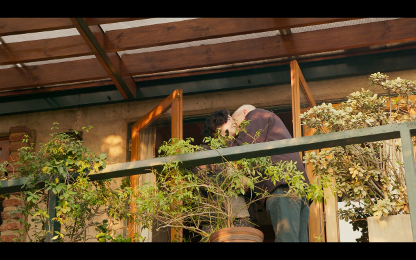
A few days ago, my grandmother would have turned 83, but she passed away last August in the early hours of a cold morning. We used to have this tradition of celebrating together since our birthdays were two days apart: her on June 18th and mine on the 20th. Now those recollections from the past have been tainted by grief, yet bearing this remembrance, as painful as it might feel, helps me to not forget, which makes me wonder: Why do we keep trying to hold onto our memories if they stir pain? Is feeling pain a way to help us remember? The act of embodying our memories is depicted in Maite Alberdi’s latest documentary The Eternal Memory (Chile, 2023) as she unfolds the love story of a Chilean couple challenged by the husband’s Alzheimer’s disease (fig. 1).
Fig. 1 Paulina shaves with care the face of Augusto.
I will discuss Alberdi’s work as case study to explore the film’s treatment of language to conjure memories, while relying on Nichol’s typology of cinematic modes, such as performative and observational, to further analyse the documentary. Moreover, I will use as lens the book Grammar of Fantasy written by Gianni Rodari in 1973, following his teachings on using words to unearth memory. Finally, I propose an interplay of keywords from the film and my personal experience as a way to draw parallels and create connections through memory, language, and grief.
The Eternal Memory opens with a couple who have been together for 25 years, in the intimacy of their bedroom. On one side of the bed, Augusto Góngora, renowned journalist that dedicated his life to remind the Chilean public of the human rights violations that unfolded after the country’s 1973 coup d’état, lays down as he looks up to his wife. She, Paulina Urrutia, actress, politician and Chile’s first female minister of culture, sits beside her husband as she tenderly looks back at him:
AUGUSTO. And who are you? PAULINA. Who am I?
AUGUSTO. Yes.
PAULINA. I’m Pauli. AUGUSTO. Pauli?
PAULINA. Yes, PAULINA. Nice to meet you.
PAULINA. You are Augusto Góngora. AUGUSTO. Yes. PAULINA. Now I’m going to surprise you. I am a person who has come here to help you remember.
AUGUSTO. For me to remember.
PAULINA. Yes, for you to remember who Augusto Góngora was.
(The Eternal Memory 00:01:10–58)
The film portrays how Paulina copes with Augusto’s Alzheimer’s disease during their everyday life as both fear the day, he no longer recognizes her. Their story is juxtaposed with archival footage from the beginning of their relationship, their working lives, placed in contrast with the landscape of Chile during the years of the dictatorship from 1973 till 1990.
This form of cinema imbued with intimate and vivid fragments recalls Nichol’s definition on performative and observational modes. The first is described as a type of form that foregrounds affect, embodied experience, in a tacit or implicit way by addressing us “emotionally and expressively rather than factually,” (149–52). The latter prioritizes to look at characters as they live their lives while placing the viewer on an active position to make inferences based on what can be observed; thus meaning is created out of what is seen, said, and done (133–56). The Eternal Memory relies heavily on Paulina and Augusto’s daily routines to show us their situated experience in navigating Alzheimer’s. The complexity of memories is captured by becoming more than just thoughts coloured by time and suffering, they instil a sense of witnessing something precious, like a treasure, thought to have been lost, and then found.
This sense of looking at the scattered reminisces of our past lives hoping that by some stroke of luck we can retrieve some lost gem, made me found solace in Gianni Rodari’s essay collection The Grammar of Fantasy. He taught children and teachers about a type of creative pedagogy focused on storytelling as a way reveal the liberating value of our words, our language. Moreover, he conveyed storytelling as a “system for organizing thought into imagination, the way grammar is a system for organizing words into ideas,” (Popova). Rodari described how any randomly chosen word, such as throwing a stone in a pond, can unearth our fields of memory by producing waves, evoking our senses, and create “meanings and dreams, in a movement that touches experience and memory,” (5). Following his work, I will select words from the film and my grieving experience to convey the interconnectedness that lies between language, memory, and loss.
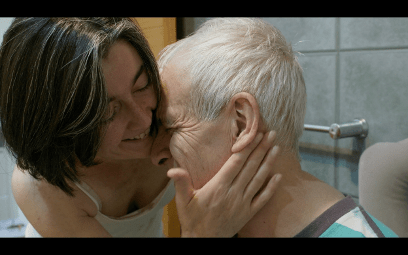
Fig. 2 Augusto hugs Paulina after telling her that this is not his home, but their home.
The first word I select from the documentary is “home”, since Paulina uses the word on different occasions to see if Augusto remembers that it is their home. Moreover, as I explore what “home” means, I find that the underlying question regarding the word comes from Paulina’s need to know if he is still able to remember that they built the place that has become their home (The Eternal Memory 00:20:25–59). The performative aspect of the films unveils the weight of the word “home”, not by appealing to linguistic expressions, but by showing the emotional impact of the fear behind losing a place that has become a site to bring back memories for Paulina and Augusto (Hakola 116).
To pick a word from my grieving experience after losing my grandmother, I asked a friend to come up with words from stories I have told them in the past. They randomly gave me the word “bed” and I let my mind wander. Thinking of “bed” makes me remember of our nights watching arthouse films or crime series together, of evenings spent reading books side by side before going to sleep. Sometimes I would wake up in the middle of the night and I would hear her breathing quietly. When she was slowly fading away it was in a different bed, in a different room, and I could not sleep by her side anymore. The word “bed” has become bittersweet yet still evokes memories and emotions.
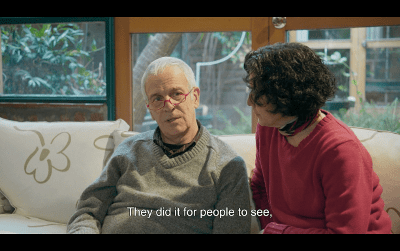
Fig. 3 Augusto tells Paulina how military forces killed his friend José Manuel Parada
To continue with this exercise, instead of a word I picked a name that belongs to one of Augusto’s late friends. In the scene, Paulina and Augusto are watching footage from the times of the dictatorship. She asks him if he remembers someone named José Manuel Parada:
AUGUSTO. Yes, of course. How could I not? PAULINA. They slit his throat, remember?
AUGUSTO. Yes, of course. They slit his throat just like that.
AUGUSTO. They did it for people to see, not for people to gossip about it.
AUGUSTO. They did it in front of a lot of young kids.
AUGUSTO. (Starts to cry) For fuck’s sake. (The Eternal Memory 00:25:49–00:29:02).
Augusto becomes overwhelmed with emotion after hearing the name of his friend which prompts him to retell the story of what happened. He embodies his memories even if they come to refresh the pain from the past. This example in the film reflects its observational nature as it pulls the viewer to connect with what is been shown; it creates a space of vulnerability not to be exploited but to be “expressed in an almost intangible, empathic moment,” (Grimshaw & Ravetz 552). Augusto represents the power of language to remove stale pain that has not yet withered away.
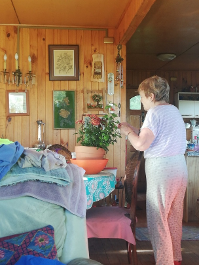
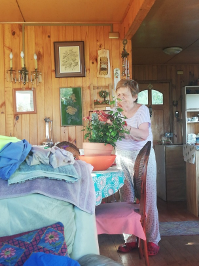
For the last word to connect with my grandmother, I received “flowers”. This word made me think of the bouquet I received for my birthday which has my favourite type of flowers: chrysanthemums. My grandmother used to have them in a pot with their vibrant red tones still fresh in my mind. I can still remember her taking care of them, or the words she would choose to speak to them because she believed that plants would feel better if we could address them as friends. Now whenever I go to a flower shop, I find myself looking for them as if my memory could burst into bloom.
Fig. 4 My grandmother taking care of her red chrysanthemums.
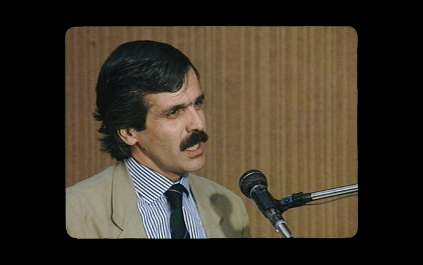
Close to the end of The Eternal Memory, Paulina opens Chile: The Forbidden Memory a book that Augusto co-wrote to denounce the horrors of those years. She reads a dedication he wrote to her, and then the next scene changes into a recording of Augusto presenting the book back in 1989 (fig. 5):
Our book stars in June 1973 and ends in May 1983. It’s very important to us to reconstruct memory, not to be anchored in the past, because we think reconstructing memory is always an act that has a sense of future. It is always an attempt to know oneself, to know the problems, to know our weaknesses, overcome them and be able to generously face the future. It’s important to us to also say that is it not enough for memory reconstruction to be a merely rational act. Numbers and statistics are not enough. I think we Chileans also need to rebuild our emotional memory, because these have been such rough, traumatic years, so full of pain. We also need to get our emotions back, embrace pain, and work on our mourning (01:14:21–01:15:28)
Fig. 5 Augusto Góngora presenting his book in 1989
To conclude this essay, I asked at the beginning: Why do we keep trying to hold onto our memories if they stir pain? Is feeling pain a way to help us remember? I believe that the most powerful memories are the ones that can still move us despite the ravages of time. Even if some might open our wounds, it reminds us that when we mourn, we encounter proof that we loved; that our grief has become love persevering through time.
Works Cited
Grimshaw, Anna, and Amanda Ravetz. “Rethinking Observational Cinema.” The Journal of the Royal Anthropological Institute, vol. 15, no. 3, 2009, pp. 538–56. JSTOR, http://www.jstor.org/stable/40541698.
Hakola, Outi. “Performative Documentaries: Life-Affirming Stories about Mortality.” Filming Death: End-of-Life Documentary Cinema, Edinburgh University Press, 2024, pp. 113–33. JSTOR, http://www.jstor.org/stable/10.3366/jj.9941215.9.
Rodari, Gianni. The Grammar of Fantasy: An Introduction to the Art of Inventing Stories. Translated by Jack Zipes, Enchanted Lion Books, 2025.
The Eternal Memory. Directed by Maite Alberdi, Micromundo / Fábula, 2023. Apple TV+, tv.apple.com/be/movie/the-eternal-memory/umc.cmc.4pobxr3411xcxtyg4zxsowci.
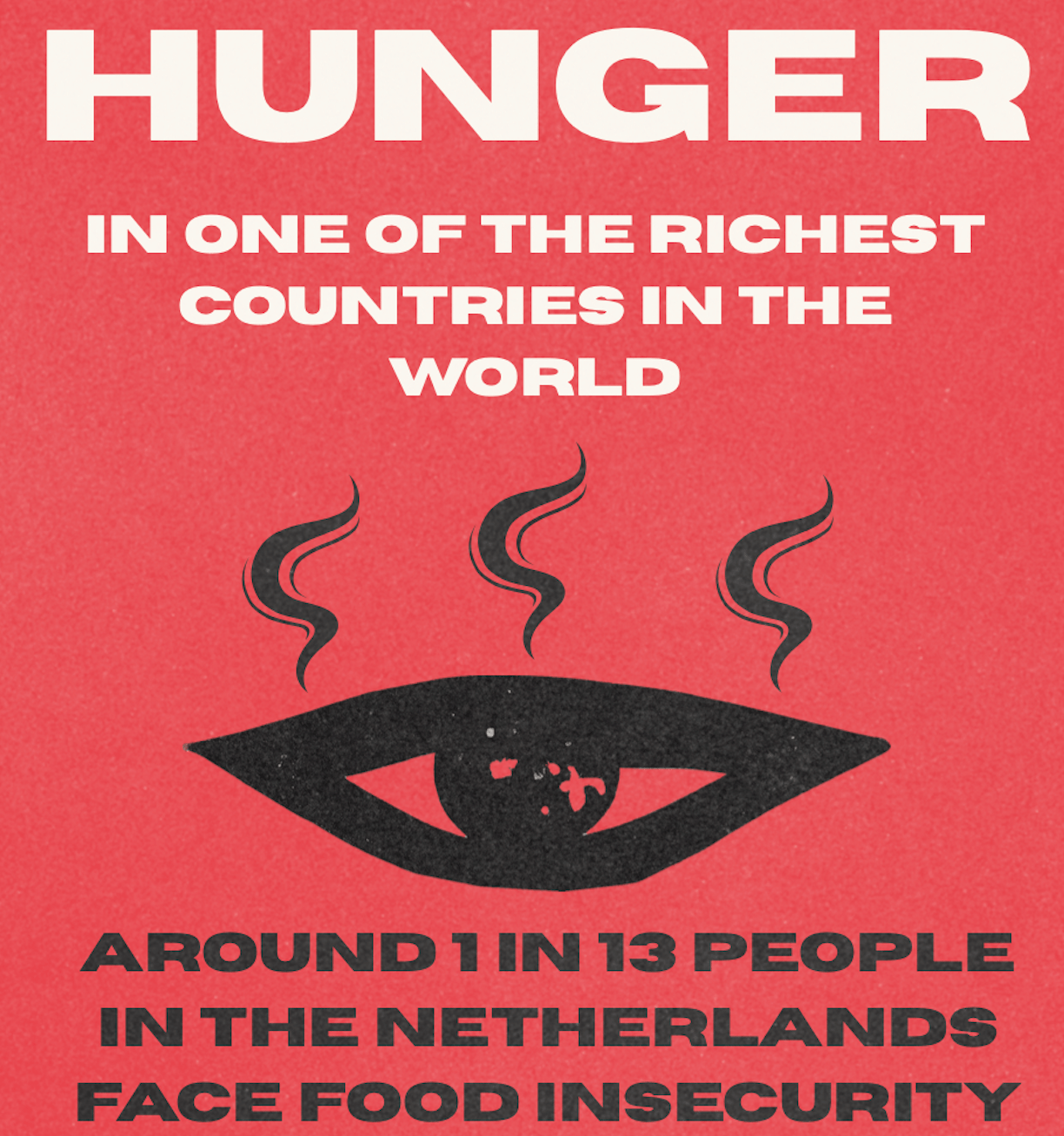
Can music feed people? It might sound figurative, poetic, or naïve, yet this question guided our intervention, The Food Bank Project, created for the course Popular Music and Social Change at Radboud University. While music is often seen as entertainment or expression, we wanted to see what happens when it becomes a tool for redistribution and care. Our project responded to Sustainable Development Goal 2: Zero Hunger, which aims to end hunger and ensure food security for all. In the Netherlands, a country known for wealth and abundance, one in thirteen people faces food insecurity (estimate based on available data from Voedselbanken Nederland & Kickstart.ai, 2024). The contradiction is striking: overflowing supermarkets next to overworked food banks. We wondered how music might intervene in this silence. Hence, The Food Bank Project set out to connect sound and solidarity. Through a concert, a flyer, and a digital toolkit, we sought to transform listening into action and audiences into allies. This post reflects on that experiment: how an artistic gesture became a meaningful act of social change, even if small.
The Performance: Music for Food Justice
Our idea was simple yet ambitious: a concert where the ticket would be a donation for the local food bank in Nijmegen. We wanted to merge cultural participation with redistribution, bridging symbolic and material impact. Initially, our team consisted of three members: DJ Morris, classical musician Maike, and cultural researcher Hazal. Each of us brought a different skill set: practical musicianship, aesthetic sensitivity, and theoretical framing. Together we envisioned an evening of hybrid performance where electronic beats and live instruments would coexist, while the audience would contribute food or small donations at the entrance. The collected items would be delivered to Voedselbank Nijmegen-Overbetuwe. However, as often happens with small activist initiatives, the fragility of the project quickly became visible.
Our plan depended on factors largely outside our control: the venue’s infrastructure, institutional permission, audience sign-ups, and marketing reach. When no one signed up, the venue cancelled the concert. Looking back, this was understandable: without much promotion, the right timing, or a local network, small projects like ours often find it hard to reach people. This also revealed how easily socially-engaged art can be constrained by infrastructures of visibility and logistics: publicity algorithms, event management systems, and time limits that rarely accommodate grassroots projects. On the other hand, Morris left the group. Yet rather than abandoning the idea, we reimagined its scope and audience. Maike decided to perform at her conservatoire, ArtEZ University of the Arts in Zwolle, during her regular Friday class. This shift became more than a logistical adjustment: it marked a conceptual evolution from public engagement to engagement with musicians, with peers who might one day become the next generation of artist-activists.
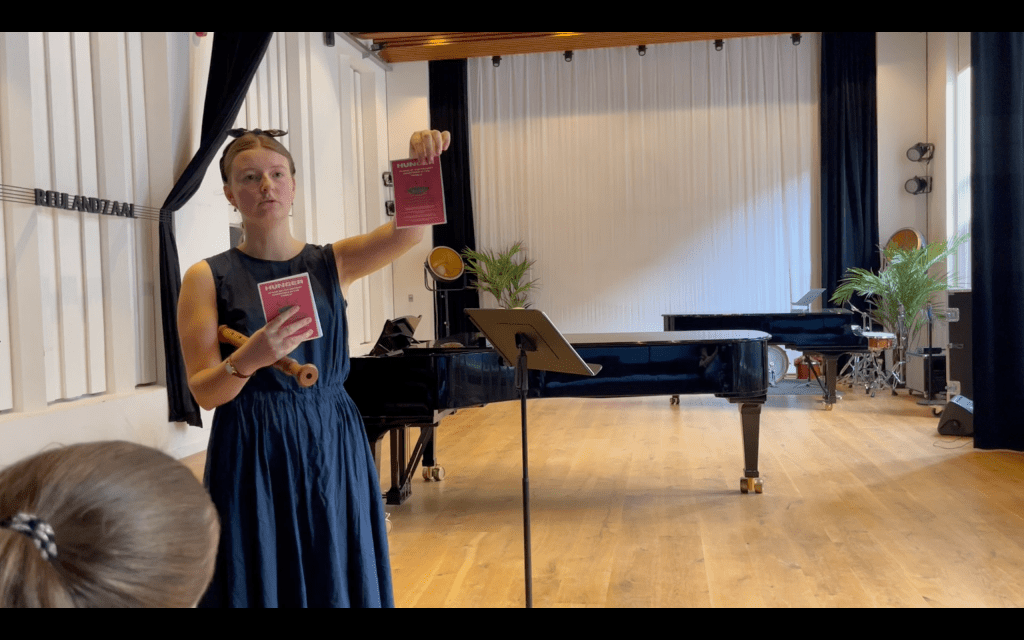
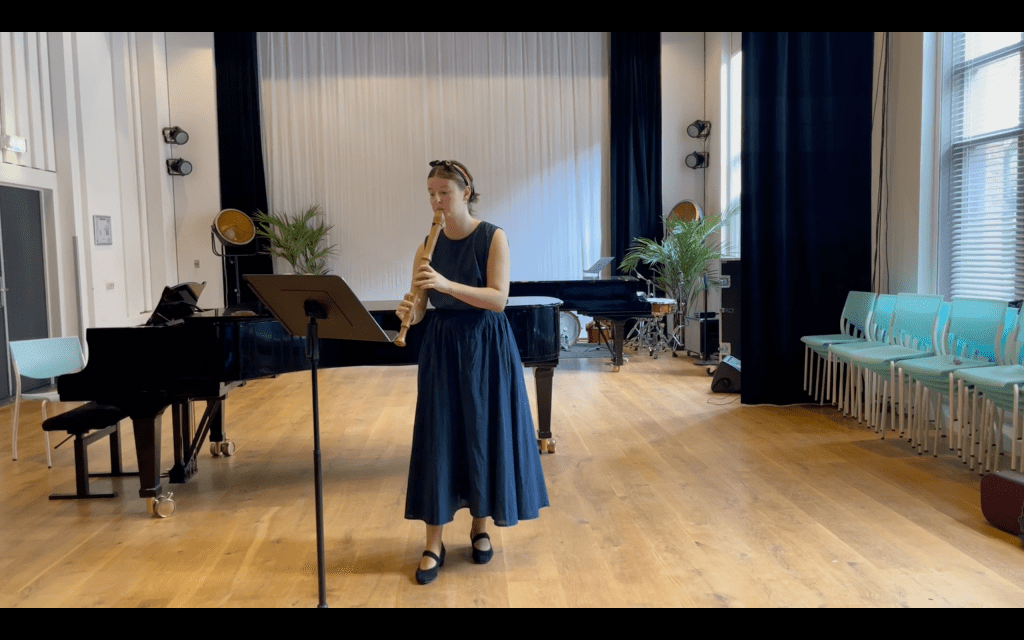
On 17 October 2025, Maike performed Laura by Jacob van Eyck, a 17th-century piece for tenor recorder chosen for its voice-like tone and introspective mood. Before playing, she introduced the issue of food insecurity and distributed the flyers designed by Hazal. Each flyer contained a QR code linking to our Toolkit for Music Activists, a digital guide on how to use music for social change and food justice, written by Hazal. During the performance, the low, resonant sound of the tenor recorder filled the classroom. Afterward, several classmates approached Maike to express appreciation, not only for the music but for the message. Sven (a classical piano student) noted that she explained the topic very well and that he liked the flyer’s design. The combination of performance and information seemed to land well with the group.
Maike introducing the project and discussing food insecurity with classmates before the performance.
However, while the concert achieved its immediate goals (i.e., raising awareness and collecting donations) we could not fully assess its long-term impact. Maike did not have time during or after class to ask whether students actually engaged with the toolkit or planned to use it. This remains one of the project’s main limitations. On the other hand, those who showed interest might have been people who already cared about social issues. A broader distribution of the flyer and toolkit across the university could have created more diverse engagement. Yet this raised another challenge: resources. Printing is expensive, and arranging digital distribution requires technical skills and access we did not have at the time. These practical constraints reveal how even small- scale activist initiatives are shaped by invisible infrastructures of time, labour, and cost: issues that often determine whether ideas can reach beyond their immediate circles.
Maike performing “Laura” by Jacob van Eyck during her class at ArtEZ Conservatoire, Zwolle.
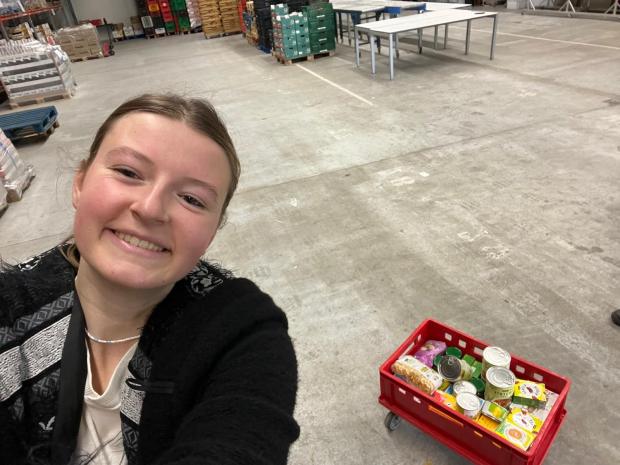
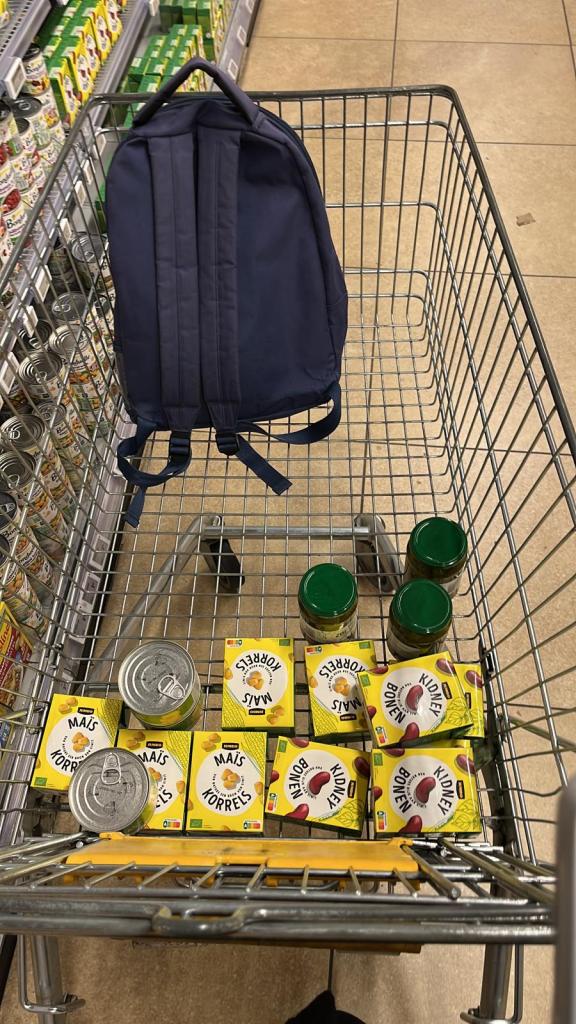
The performance included a digital donation link (Tikkie), through which classmates contributed money. In total we raised €80, which Maike used to buy groceries listed by the food bank (tea, coffee, beans, milk, canned vegetables, and other essentials). She transported three heavy bags of goods on her bicycle to the donation centre in Nijmegen. The volunteer who welcomed her was surprised and delighted. Inside the hall, surrounded by shelves of donated products from supermarkets and individuals, the scale of need became tangible. Through this process, we learned that activism is logistical as much as emotional. Planning, shopping, and cycling with heavy bags were as much part of the performance as the music itself. The project thus unfolded on multiple levels:
Redistribution: tangible food donations reached local families.
Awareness: students learned about food insecurity in a country often imagined as problem-free.
Pedagogy: the flyer and toolkit offered musicians tools to continue such work.
In short, our intervention turned the conservatoire, a space usually reserved for artistic training, into a site of care, reflection, and social connection. The project reminded us that activism does not require scale or spectacle. It can happen through sincerity, persistence, and a willingness to act where you are.
Tools for Change: The Flyer and the Toolkit
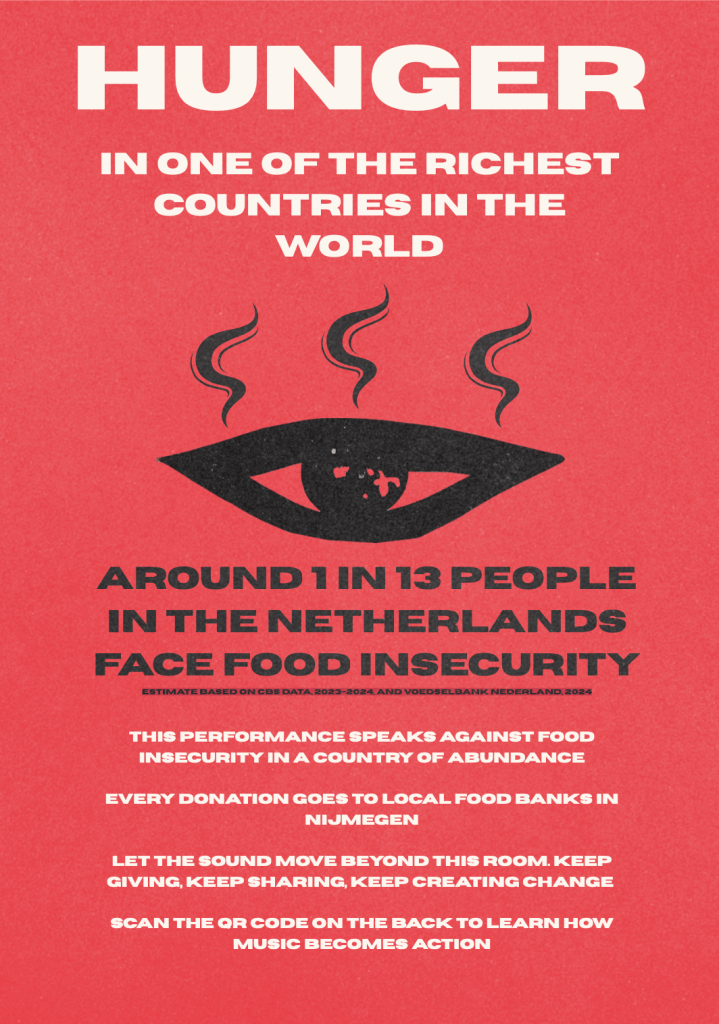
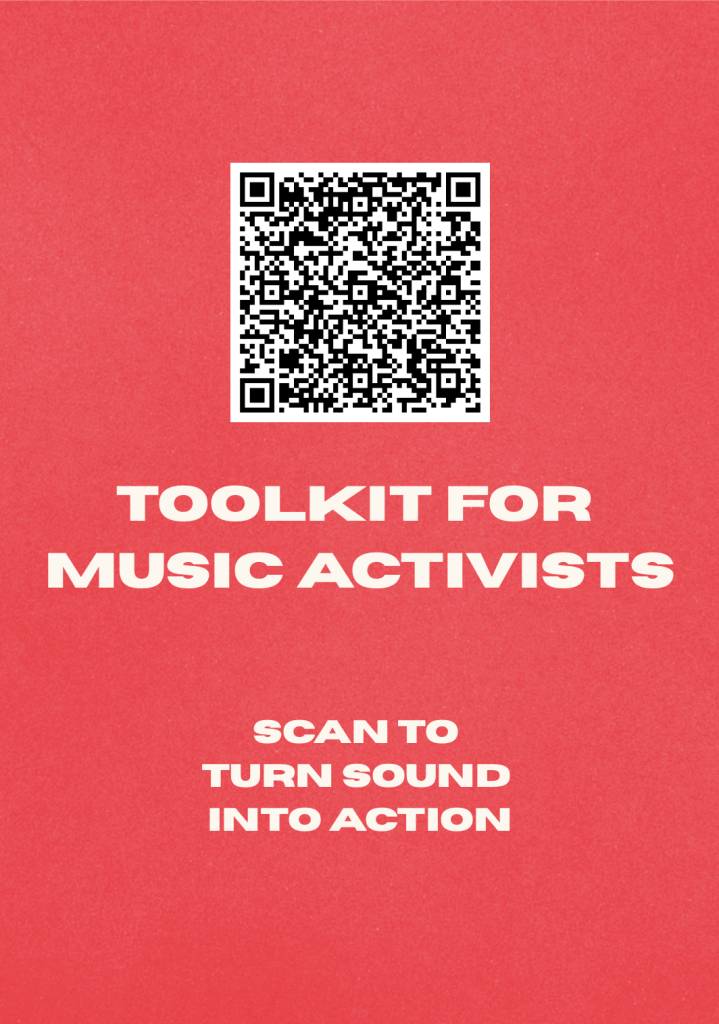
Front side of the flyer, created by Hazal, highlighting the contrast between national wealth and food insecurity, with key messaging from the project and a statistic based on available data.Back side of the flyer, created by Hazal, featuring a QR code linking to the “Toolkit for Music Activists,” inviting others to turn sound into action.
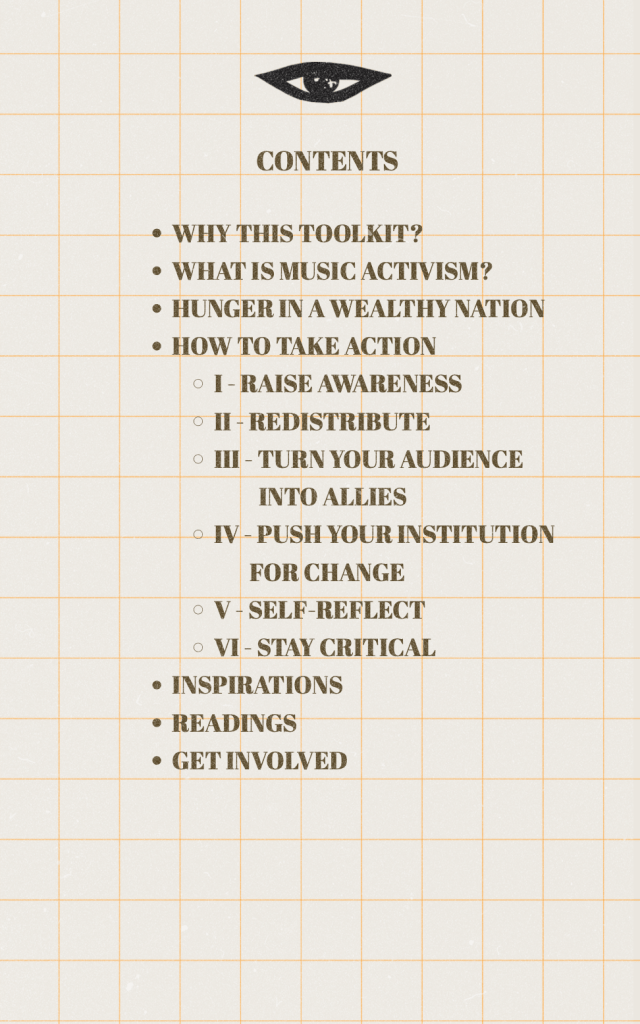
The flyer was both a visual anchor and a call to action. Its design juxtaposed statistics with a message: “Around 1 in 13 people in the Netherlands face food insecurity. […] Let the sound move beyond this room. Keep giving, keep sharing, keep creating change.” Printed on blank postcards, the flyer summarized the purpose of the concert, explained where donations would go, and linked, via QR code, to the digital Toolkit for Music Activists. The toolkit expanded on the flyer’s spirit, offering six concrete pathways for musicians who want to align their practice with social change:
Raise Awareness: Use performances to share facts, tell stories, and inspire conversation.
Redistribute: Turn gigs, rehearsals, or jam sessions into donation opportunities.
Turn Your Audience into Allies: Use QR codes, playlists, and online sharing to sustain action.
Push Your Institution for Change: Advocate for ethical food policies and zero-waste practices.
Self-Reflect: Treat fairness and care within ensembles as part of activism.
Stay Critical: Question charity models and aim for justice.
The toolkit also includes inspirations and readings, from Andrew Green & John Street’s “Music and Activism” to adrienne maree brown’s “Emergent Strategy.” It situates our small project within a global lineage of artists and movements that see music as both resistance and repair.
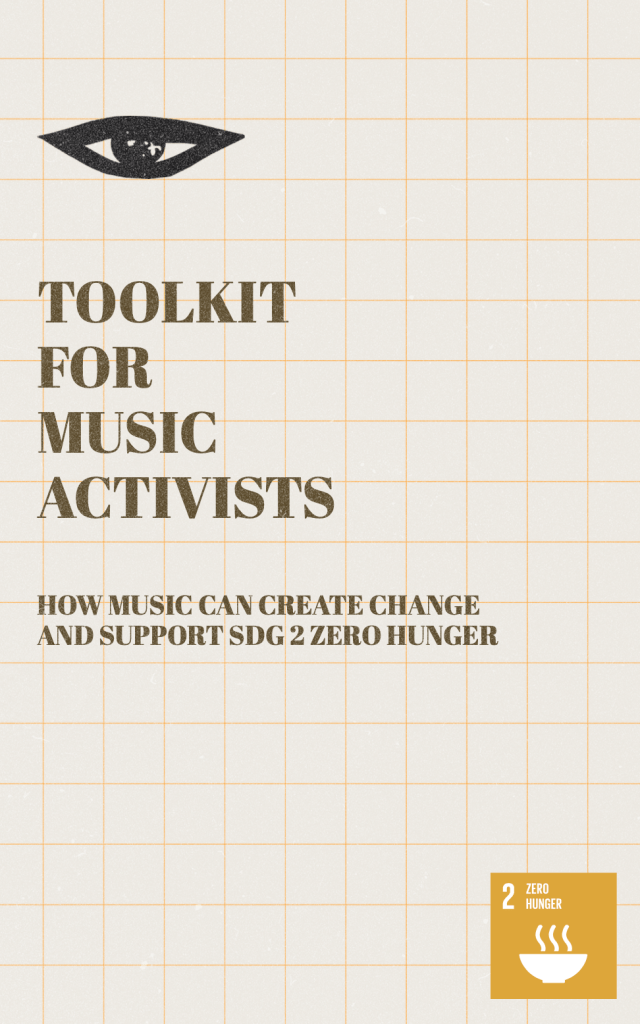
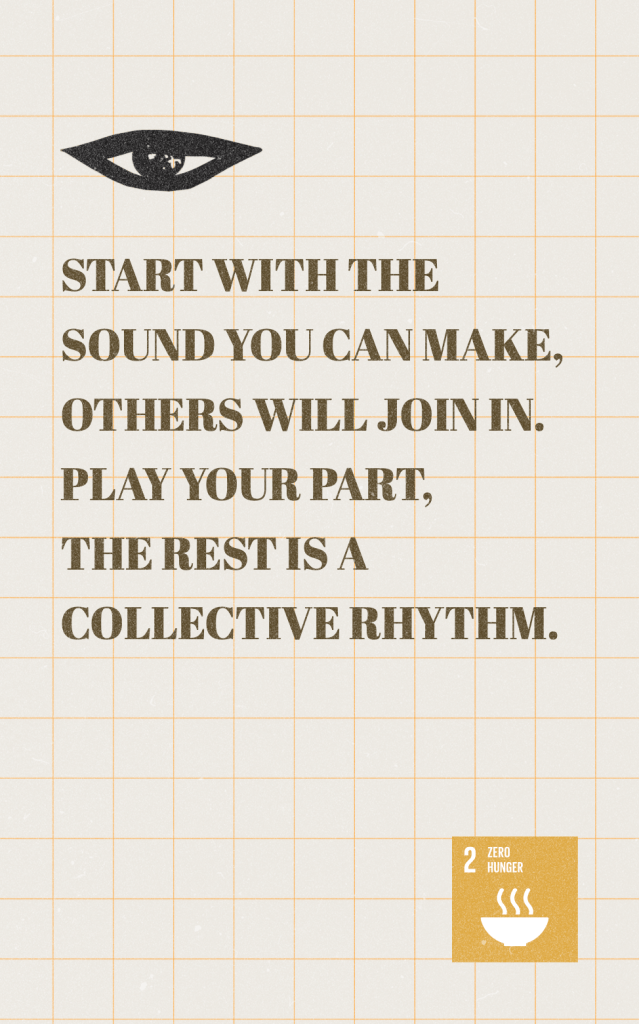
Cover, table of contents, and back cover of the “Toolkit for Music Activists:” a digital resource written by Hazal, offering practical strategies for musicians.
By distributing the flyer and the toolkit, our project aimed to extend beyond the classroom. Anyone who scanned the QR code could replicate or adapt the model. In this way, the intervention became pedagogical: not a single event but a portable framework for others to continue. As we wrote in the toolkit:
You don’t need a stage, funding, or fame to make an impact. Start with the sound you can make; others will join in. Play your part, the rest is a collective rhythm.
This replicability was key. Activism often depends on networks rather than numbers. If even one other student used the toolkit to organize a similar concert, the ripple would continue. Music, after all, travels easily and it invites participation.
Thinking Through Practice: Theory, Tension, and the Politics of Small Acts
Our collaboration brought together different forms of knowledge: Maike offered musical practice and logistical action; Hazal contributed research, visual design, and critical framing. Both of us crossed domains: discussing, revising, and shaping the project as it evolved. This process was not just a way to get things done; it reflected the project’s core: a blend of action and reflection, theory and practice. The Food Bank Project was rooted in action, but it also made us confront the political, ethical, and pedagogical choices behind even small interventions. We were not just raising money, we were asking how music might serve as both a tool and a model for social change. This section reflects on the theoretical ideas that helped us clarify our intentions, recognise tensions, and think more critically about the project’s possibilities and limits.
Maike delivering the food donations to Voedselbank Nijmegen-Overbetuwe.
We aimed for outcomes that were both pragmatic and prefigurative, borrowing these terms from Green and Street (2018). Pragmatic politics refers to music used as a tool to achieve external goals, such as raising money, increasing awareness, or supporting a cause. In this sense, the performance and donations clearly served a pragmatic function. But we also saw the value of prefigurative politics, where artistic practice models the kind of social relations we want to create. The project’s form and atmosphere were shaped by care, collaboration, and material redistribution. In this way, we tried to embody the change we advocated rather than simply calling for it.
We created the flyer and digital Toolkit for Music Activists with the logic of participatory culture in mind, drawing on Leksmono and Maharani’s (2022) work on K-pop fan activism. Their study shows how fans mobilize shared interests and emotions into collective action using digital tools. Similarly, we designed our materials to be accessible, adaptable, and emotionally engaging. The QR code offered not just information but an open invitation, an entry point for others to act. Instead of merely delivering a message, we aimed to start conversations: among peers, within institutions, and through future adaptations of the toolkit. Our project, like the fan activism Leksmono and Maharani describe, used shared media practices to connect care with action.
A portion of the groceries purchased with the raised funds, shown in the shopping cart.
At the same time, we were aware of the project’s limitations and not blind to the contradictions we were working within. As Gentilini (2013) argues, food banks in wealthy countries are not evidence of abundance but of systemic failure. They have become normalized as substitutes for structural support, patching over inequality with volunteer labour and temporary relief, and relying on charity to compensate for weakened welfare systems. In the Netherlands, as Janssen et al. (2022) show, food insecurity is shaped by structural issues like income inequality, migration status, and housing precarity. Our intervention provided temporary support while also raising questions, especially through the toolkit, about why such a system exists in the first place. However, while well-intentioned, it touched only the surface of these deeper dynamics.
This tension between charity and justice is one we kept returning to. As Smith-Carrier (2020) points out, charity responds to symptoms, while justice seeks to address root causes. Our project engaged with both. We knew our project would not “solve” hunger. But we hoped it could shift attention from temporary aid to collective responsibility. The flyer, toolkit, and performance were designed not to position us as helpers or to gain moral satisfaction, but to invite others into a shared process of awareness and action. Finally, we were aware of the emotional politics of food aid. Research by VanderHorst et al. (2014) highlights how food bank users often experience shame, dependency, and loss of dignity. This awareness shaped our tone and messaging: we avoided framing recipients as pitiful passive “beneficiaries” and instead emphasized mutual care. Redistribution, not rescue, was the frame.
In short, theory did not sit beside our project, it worked inside it. Concepts like participatory culture, pragmatic and prefigurative politics, and justice-based food activism helped us clarify both what we were doing and what we were not. The Food Bank Project was modest in scale, but it was also an invitation: to act, to reflect, and to remain accountable to the social contexts that shape both hunger and sound. It reminded us that good intentions are not enough, and that even small interventions must be critically examined. It was one gesture among many, but by combining practice with reflection, we hope it can resonate beyond its original moment.
Conclusion: Let the Sound Move Beyond This Room
What began as a class assignment became an experiment in sound as solidarity. Through one performance, a few flyers, and several bags of food, we explored how music can bridge art and action, emotion and ethics. The Food Bank Project demonstrated that even in modest forms, music can move resources, awaken empathy, and question inequality. It can transform institutions of learning into spaces of listening, reflection, and redistribution. In a time when crises often feel overwhelming, our experience offered a simple truth: social change doesn’t always start with policy or protest: it can begin with a note, a gesture, a shared rhythm.
Start with the sound you can make; others will join in. Play your part. The rest is a collective rhythm.
Brown, A. M. (2017). Emergent strategy: Shaping change, changing worlds. AK Press. Gentilini, U. (2013). Banking on food: The state of food banks in high-income countries. IDS
Janssen, J. M. M., van der Velde, L., & Kiefte-de Jong, J. C. (2022). Food insecurity in Dutch disadvantaged neighbourhoods: A socio-ecological approach. Journal of Nutritional Science, 11, e48. https://doi.org/10.1017/jns.2022.48
Leksmono, D. L. D. & Maharani, T. P. (2022). K-Pop Fans, Climate Activism, and Participatory Culture in the New Media Era. Unitas. 95(3), 114-135. https://doi.org/10.31944/20229503.05
Smith-Carrier, T. (2020). Charity isn’t just, or always charitable: Exploring charitable and justice models of social support. Journal of Human Rights and Social Work, 5(3), 157–163. https://doi.org/10.1007/s41134-020-00132-2
Van der Horst, H., Pascucci, S., & Bol, W. (2014). The “dark side” of food banks? Exploring emotional responses of food bank receivers in the Netherlands. British Food Journal, 116(9), 1506–1520. https://doi.org/10.1108/BFJ-02-2014-0081
Voedselbanken Nederland & Kickstart.ai. (2024, April 30). Kickstart AI and Voedselbanken Nederland partner to combat food poverty. https://kickstart.ai/press/kickstartai-voedselbanken- nederlands-partner-to-combat-food-poverty
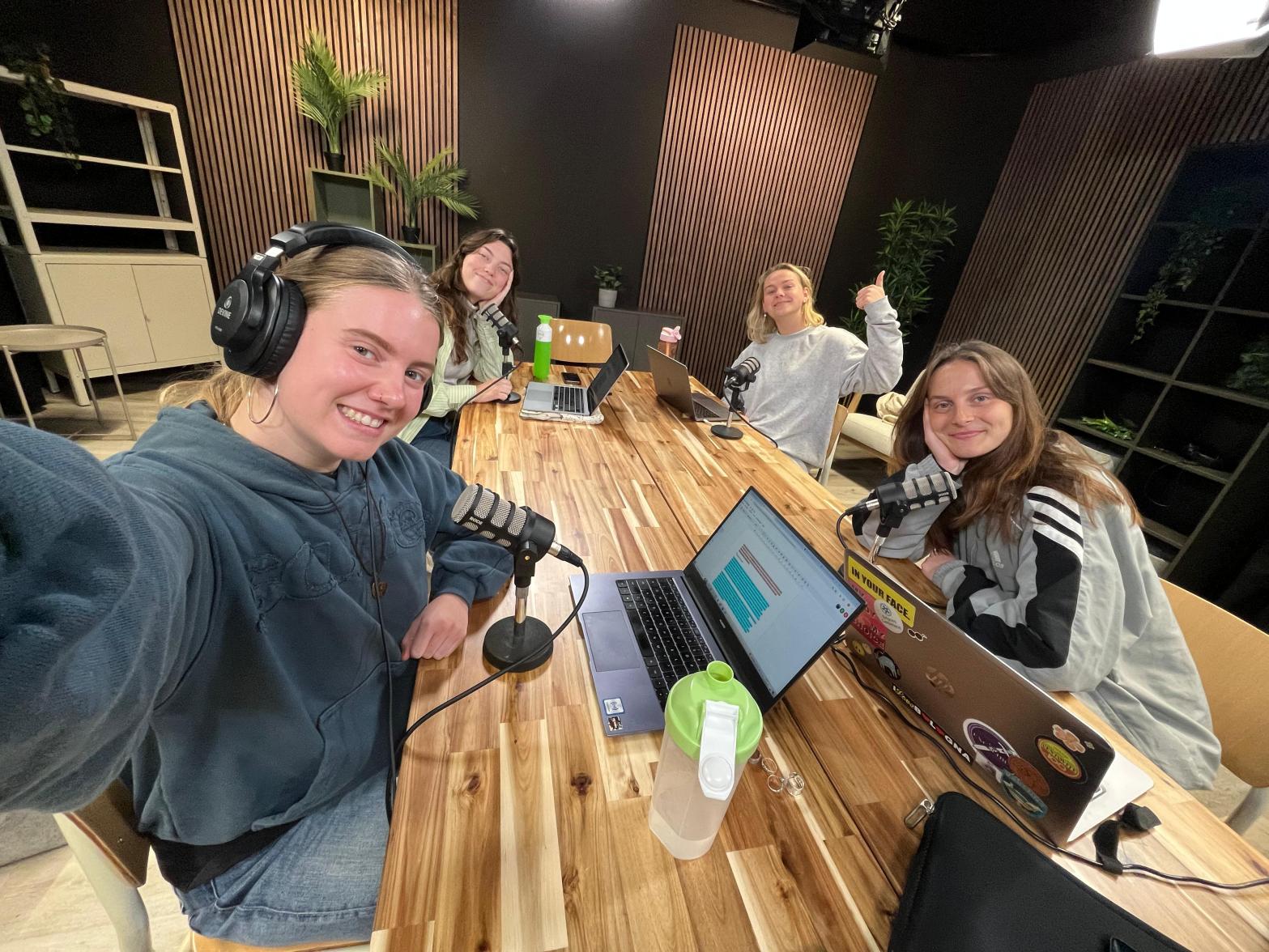
On the podcast “Music as emotion processing tool: an explorative talk”
By MIES: Maud Hagens, Isa Bijker, Ebbie Putmans and Sophie van Mensvoort
Isn’t it fascinating how listening to music can have such an impact on our emotions and feelings? Imagine this, you walk around in the supermarket after a long day of work, drained by the rain, feeling moody. Then, you notice the song “Walking on Sunshine” playing on the supermarket-radio. All you can think is “what are the odds?” as you continue shopping. Suddenly you realize that you are humming the lyrics and notice that you let the melody take over. The day is not too bad after all.
Even though this is just a small example, it does illustrate the impact music can have on our mood. Interestingly, it is even argued that music can positively impact our mental wellbeing in general, through stress-reducing effects (Shapiro et al., 2021). Mental health is a serious issue within today’s society, as we all experience psychological difficulties on some level. We all handle these difficulties in different manners. While numerous people reach out to a psychologist to talk about their problems, others put their feelings aside and try to ignore them. When you find it hard to translate your emotions into words, music can serve as a tool to help regulate and express these emotions.
To familiarise and inspire a broad audience with this concept, the podcast Music as emotion processing tool: an explorative talk sheds light on the relationship between music and emotions.
A podcast, why?
The podcast forms an accessible and powerful contribution to the Sustainable Development Goal of Good Health and Wellbeing that is set by the United Nations. The value of utilising this medium lies in the opportunity it offers to informally and interactively address, for example, political and social issues. The political goal of mental health improvement fits seamlessly within the framework of prefigurativism. Please don’t let this word scare you off. Prefigurativismis a form of political activism that seeks to obtain a desired future in the present day. Researchers Green and Street (2018) argue that music, and specifically the lyrics, can act as a vehicle to address certain social structures and cultures, in order to reach a predefined goal. This shows the relevance of our podcast: it actively addresses the impact of music as a tool for mental health improvement.
It is proven that a podcast is an effective medium to educate listeners on health issues, particularly because of its accessibility and flexibility (Kakkhi et al., 2025). In addition, in this podcast several people have shared their experiences where music had an influence on their emotions. This also reinforces the impact of the episode, since the World Health Organisation states that storytelling is a powerful method to intellectually and emotionally connect people with the information that is provided (World Health Organization: WHO, 2024).
Sharing is caring
All these day-to-day issues that many of us can relate to, concretise the impact music can have on our emotions. So, let’s dive into a couple of the experiences that made this specific podcast a success.
The way lyrics of a song can touch us is beautifully described by Pleun. This young woman sent in her experience with Gardensong by Phoebe Bridgers. The straightforward songtexts often move her deeply: “It is as if I’m hearing someone singing out loud, what I have been feeling on the inside”. This resonates with how many of us feel from time to time: flooded with emotion but not able to grasp it or put it into words. This is related to Hess’ (2018) research on navigating identity through music. For artists, music can function as a site to convey complex emotions and experiences. It is incredible how music can positively support the process of expressing emotion for creators as well as enable listeners to give words to their own feelings. Pleun also mentions that she experiences difficulties dealing with anger. “I find it very hard to be angry. To find a way to express it, I listen to somewhat aggressive punk or rock songs, which I put my feelings into”. This shows that besides lyrics, specific genres, rhythms, and maybe even instruments or voice types can help process the feelings that are sometimes hard to regulate.
Babette, another woman that shared some of her experiences in this podcast episode, also relates to this: “I have this playlist called De-stressed. When I feel overwhelmed by everything that is going on, I just put on that playlist. Sometimes it even makes me cry, but in essence the music helps me to release the tension and offers me a bit of peace”. Interestingly, Amy looks at dealing with overwhelm and sadness from a different perspective. She emphasises the impact ‘happy’ songs can have on her: “I know that if I listen to sad songs, I will feel even more sad. I prefer to listen to upbeat, happy music that makes me feel energetic and helps me flip my mood”. The contrast between these experiences explains that music can mean something different to everyone. Fortunately, the accessibility of music allows you to take your time to figure out what works for you!
Besides the assistance of music with regulating current emotions, music can also function as a time machine. Specific songs can carry memories, either positive or negative. Pleun: “A song that always makes me emotional is Ribs by Lorde. It makes me feel very nostalgic; a little bit sad, but also happy. I used to listen to it a lot in my youth and it still hits home”. Feelings of nostalgia are something Amy also relates to: “Listening to music from my childhood makes me happy. For instance, on road trips we always listened to CDs by Bløf, Amy Winehouse and Alicia Keys. When I listen to this music now, it allows me to relive past experiences”. Music is omnipresent in our lives and can contribute to solo-experiences, but also shared experiences. Babette mentions Loyle Carner’s concert she recently went to: “Especially the song Loose Ends really got a deeper layer because of the experience I shared with my friends at the concert. I feel so grateful and happy when I listen to that song now”. Music can take you back to a certain moment and help you reflect on your experiences. It can evoke feelings of gratitude, but also allow you to feel past emotions that you may still carry with you.
All in all, these experiences are what make this podcast so powerful. It offers the possibility for listeners to identify with common struggles regarding dealing with emotions and may inspire them to deploy music when they get stuck in everyday mental obstacles. Unfortunately, the experiences discussed in this podcast only belong to young women. This could cause men and other demographic groups to feel underrepresented which would decrease the impact of the episode on a diverse audience. However, the experiences described in the podcast are not necessarily bound to gender. Therefore, the podcast still illustrates the accessibility of music as a tool to help regulate emotions.
Music and the brain
What actually happens inside our brain when we listen to music? This question is still puzzling as well as intriguing to many scientists nowadays. Even though there is still much to uncover, some insights can already be provided. The podcast reflects on these scientific insights by linking it to personal experiences. Based on the literature, the podcast reveals how music can not only evoke emotions, but also regulate them, whether consciously or unconsciously.
When you listen to a song with special attention to the lyrics, something special happens. The words don’t just tell a story; they help your brain recognize feelings that it already knows. The emotional centers of the brain – known as the limbic areas, responsible for emotion, motivation, memory and behaviour – start to light up (Alluri et al., 2013). This could explain why a breakup song can feel so real and relatable at certain points in life. Besides the lyrics, instrumental parts of a song have a strong impact too, as the rhythm and melody is likely to make your mind wander (Alluri et al., 2013).
But music not only affects our mind and emotions – it physically changes what is going on in our body. The rhythm of a song has direct effects on our autonomic nervous system, which is responsible for our heart rate and breathing (Eck, 2025). Some sounds can therefore make us feel calmer or more alert (Eck, 2025). So, it makes sense that you might unconsciously match your footsteps to the tempo of the song in your headphones, or feel calmer after listening to something soothing and slow.
Beyond that, music can actually help us train our emotions. It can help people experience, identify, express, perceive and modulate emotions (Neilsen et al., 2016). Think about those moments when you put on a song that perfectly fits your sadness – and somehow, it helps you release that feeling. Some scholars argue that humans have been using music like this for centuries, as music can guide the listener towards a desired mood (Csikszentmihaly, 1990).
What makes all of this research so valuable is that it validates what we already feel every day. The effects of music on the brain are not random or strange: they are literally wired into our body. The podcast connects this scientific understanding to real, personal experiences, showing that the emotions we feel through music are natural, human and valuable. These scientific theories add depth and reassurance. We are not overreacting when a song moves us, we are simply experiencing how our brains are built to respond. When we use music to feel, express or modulate emotions, we are tapping into one of the most powerful and universal tools for mental wellbeing.
Music therapy: Do It Yourself
In the podcast, music therapy specialist Monica Wagner adds a professional layer to the discussion (Bijker et al., 2025, 2:35-5:10). In her profession, she focuses on two main forms of music therapy: a receptive approach, where you listen to music, and an active one, where you create music yourself. This episode highlights the receptive side. For Monica, this form of therapy is powerful because it is accessible to everyone. Even people who claim not to be musically-oriented at all are still affected by it. As she puts it, music reaches you whether you want it to or not.
What Monica deeply values about music therapy is its ability to process emotions – even the uncomfortable ones. She believes that real healing happens when we stop trying to think our way out of processing emotions, and instead feel our way through it. When we face sadness, fear or frustration, those emotions become smaller and eventually lose their power over us. In her sessions, she uses the elements of rhythm, melody, tone and harmony with clear intention, showing that therapy is not just about “playing songs together”. Finally, Monica shares a piece of advice that shows how personal and accessible music therapy can be – it can be as simple as creating your own playlist. This playlist could consist of songs that gradually move from calm or even sad songs, toward more uplifting ones. This playlist can quite literally help you listen to your emotions.
While the podcast explores the interesting receptive side of music therapy, the active side remains undiscussed. As a result, the podcast misses the chance to show how actively making music can be transformative as well. Active music-making must engage with different areas of the brain, which fosters a different kind of emotion processing. Including this side of music therapy could have offered a more complete understanding of how music can heal, not just by entering our ears, but by flowing out through our own voices and actions.
What to take away
In the end, music is not just something we listen to – it listens back. Whether you belt out a punk song in the car or quietly let a melody soothe you, you are tuning into your emotions. As Monica Wagner says, “music reaches you, whether you want it or not.” So next time life feels offbeat, press play, feel your feelings and let the music do its thing.
References
Alluri, V., Toiviainen, P., Lund, T. E., Wallentin, M., Vuust, P., Nandi, A. K., Ristaniemi, T., & Brattico, E. (2013). From Vivaldi to Beatles and back: Predicting lateralized brain responses to music. NeuroImage, 83, 627–636. https://doi.org/10.1016/j.neuroimage.2013.06.064
Bijker, I., Hagens, M., Putmans, E., & van Mensvoort, S. (Hosts). (2025, October 22). Music as emotion processing tool: an explorative talk (Nr. 1) [Podcast episode]. In Popular Music & Social Change. Radboud University. Accessed on October 28, 2025.
Csikszentmihaly, M. (1990). Flow: The psychology of optimal experience. Harper & Row.
Hess, J. (2018). Singing our own song: Navigating identity politics through activism in music. Research Studies in Music Education, 41(1), 61–80. https://doi.org/10.1177/1321103×18773094
Kakhki, S. K., Aghebati, N., & Moonaghi, H. K. (2025). Exploring the impact, challenges, and integration of podcasts in patient education: a systematic review. BMC Medical Education, 25(1). https://doi.org/10.1186/s12909-025-07217-4
Neilsen, P., King, R., & Baker, F. (2016). Creative arts in counseling and mental health. In SAGE Publications, Inc. eBooks. https://doi.org/10.4135/9781506306049
By Marije Makken, Imke Kuijpers, Jildou de Jong and Daan Verhaegh
Introduction and the Sustainable Development Goal
In recent years, vinyl records have made a surprising comeback. What was once considered an outdated format is now celebrated again by music lovers around the world. This “vinyl revival” makes record stores flourish again and contributes to a growing sense of nostalgia and authenticity in listening habits (Hendricks 2016, Calamar and Gallo 2009). Record collecting has become a cultural practice that brings people together, allowing them to connect with music in a tangible way.
However, behind this renewed passion lies a pressing environmental issue that receives little attention: the production and disposal of vinyl records are far from sustainable. Vinyl, or polyvinyl chloride (PVC) is a non-degradable plastic material that can be recycled, but often is not (ECVM, 2025). This issue directly goes against the core principles of the United Nations Sustainable Development Goal 12: Responsible Consumption and Production. This goal includes the need to reduce waste, reuse materials, and make consumption systems more circular (United Nations 2025). Yet the current structure of vinyl production and disposal disrupts this cycle rather than supporting it. Vinyl records that could have been recycled and repurposed end up burnt [DV1] in waste facilities. This process recovers some energy but contributes to pollution and the loss of valuable materials (Milieucentrale[JN2][DV3] ). Besides that, a vinyl record wasted is a music album wasted.
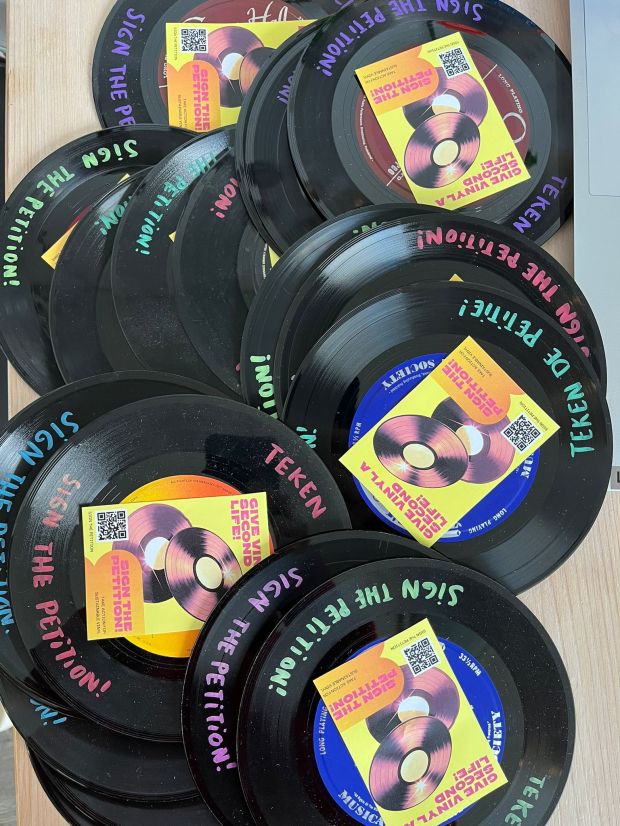
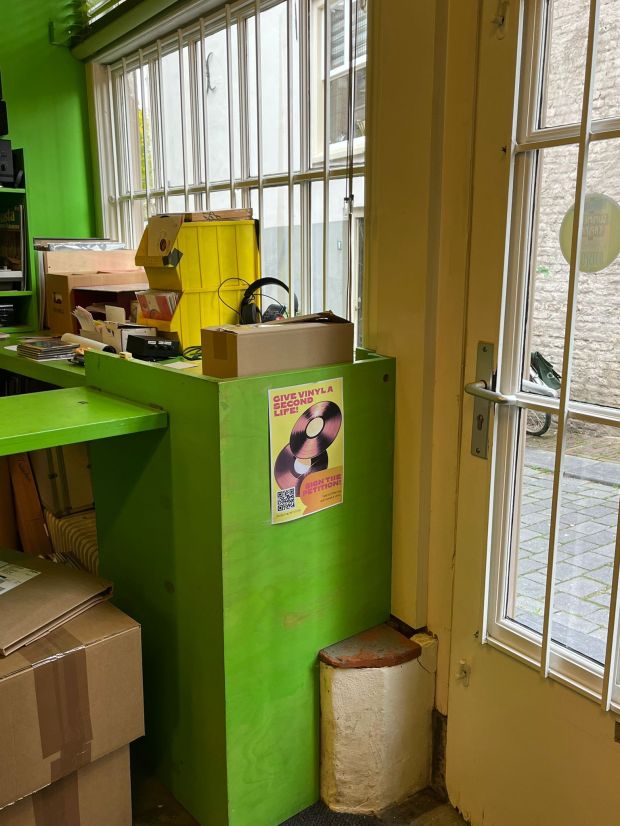
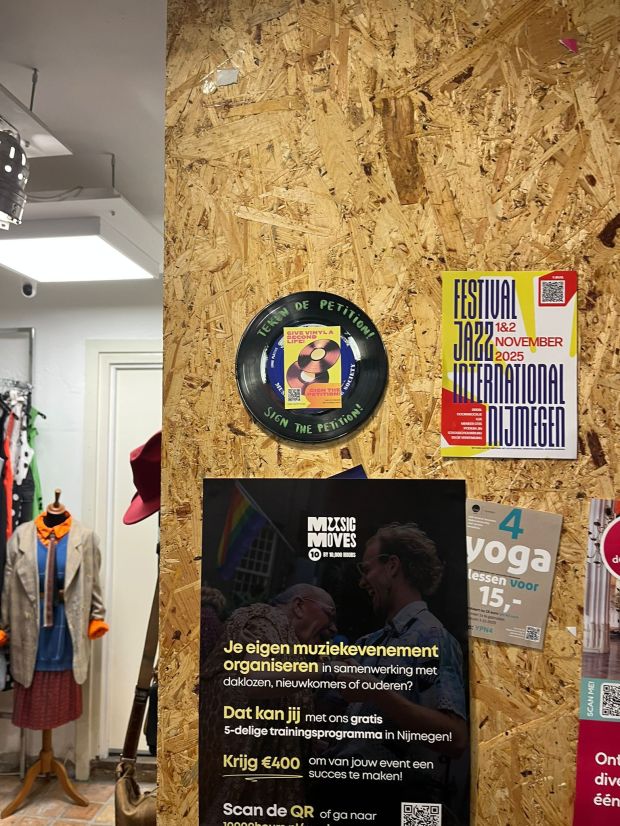
To explore this tension, we conducted research into vinyl’s sustainability in the Dutch context. We attended public panels with experts from major music companies, visited local record shops in Nijmegen, and contacted large waste processors to collect different perspectives on the subject and to create an intervention in which we could try to attract more attention to the topic of vinyl recycling.
Intervention: the research
In our research on vinyl and its sustainability in the Dutch context, we came across some very interesting matters. To begin with, we attended a public panel during The Haarlem Vinyl Festival called “This Is How We Do It – The Path To More Sustainable Record Manufacturing”. Speakers on sustainable vinyl production were in attendance from different fields and countries of vinyl record manufacturing companies, such as Warner Music Group and Republic of Music. In this panel we learned that the return of vinyl has become a trend and is even called the vinyl era. Although consumers are willing to pay a lot for non-sustainable vinyl, they are less willing to pay a little more for sustainable options (Emanuel et al. 2025). In his book Wax Trash and Vinyl Treasures, Roy Shuker describes this as a “hunt”, there is “value to the process of gathering music more than the actual possession of it” (Shuker 2010, 110). In the panel talk however, we learned how music collecting can be done in a sustainable manner.
In this panel talk, we also learned that there is a lot of unsaid or insider information on the sustainability of vinyl production. That reminded us of Paula Serafini’s 2020 paper “A rapist in your path”, where she describes how performance art addresses pressing topics such as gender violence or femicide. Art activism, Serafini writes, becomes a practice that tries to achieve political transformation (2020, 293). This is exactly what we set out to do in our intervention; exposing the unsaid about vinyl sustainability.
We found that focussing on the role of the consumer is not the right angle. In talking to record store owners and vinyl record lovers, we learned that vinyl records simply do not have a sustainable affordance, or sustainable qualities to them. It is up to the artists to make the decision of releasing their music on bio-vinyl (Emanuel et al. 2025). A great example is the band Coldplay, who did an eco-release and printed records on recycled plastic: nine plastic PET- bottles make one record. These plastic bottles come from Boyan Slat’s ocean cleanup initiative (De Machine 2024). Vinyl record production is mostly not sustainable (Devine 2019), a difficult- to-accept fact which is a bit of a taboo among vinyl lovers. This concealed fact made it difficult for us to intervene, since we did not want to step on the toes of people who do not bear the brunt of the responsibility – consumers largely do not have the agency to address the issue. The vinyl revival renewed the practice of hunting for vinyl, loving and ‘consuming’ vinyl, but also printing and selling vinyl records (Hendricks 2016; Gallo and Calamar 2009; Bartmanski and Woodward 2020; Shuker 2010). We consider all of these practices a form of musicking (Hess 2019). Musicking, or participating in any music practice can (or should) be done sustainably, we believe. Re-selling dusted vinyl records is the most sustainable practice when it comes to records. Re-using and reselling them ensures their first cause, which is to be played and listened to. To know more about our local situation surrounding vinyl, we visited record stores in Nijmegen. Rob Berbee, owner of the vinyl record store Vinylarchief in Nijmegen told us that he regularly welcomes crates filled with records that were previously collecting dust in people’s homes. Record stores such as Waaghals, Discords, Kroese, and Vinylarchief also currently bring their unsellable records to the Dar, the local residual waste management company, simply because they are unaware of any facility that recycles vinyl. The store owners expressed that they would gladly participate in recycling initiatives, as they prefer not to throw their vinyl records away with the regular waste.
To make vinyl recycling more accessible for consumers and store owners, our original intervention plan consisted of a recycling bin with two compartments, one for the vinyl and one for the cover. This recycling bin would be placed in vinyl stores and used to collect the vinyl that could be distributed to vinyl recycling companies. We had our eyes on a collaboration with Vinylrecycling, a recycling company in Lelystad, the Netherlands. Unfortunately, we were disappointed to find out that the company had gone bankrupt in 2024. The company was turning PVC – the biggest ingredient in vinyl – into raw material to make new products and distributing this to other companies. In an article by Lelystad News we read that the ‘Inspectie van Leefomgeving en Transport’ (ILT) decided that this raw material was waste. ILT is an inspection service from the Rijksoverheid in the Netherlands that maintains law regulations. And since it is not allowed to export waste to other countries, it became impossible to continue the recycling of vinyl.
The formal CEO of Vinylrecycling, Ivo Besselsen, stated that the company had to bring 20.000 to 30.000 tons of raw material to a landfill where it will be burned (Kunststof Magazine). And their company was not the only one: there are six more recycling companies that have gone bankrupt since the regulation of ILT in 2022 (Thole 2024). The regulation comes from the Dutch government (Rijksoverheid) and is focused on single use plastics, including vinyl. The regulation that caused the bankruptcy of among others Vinylrecycling is the ‘Beleidsregel bestuursrechtelijke handhaving verontreinigd papier-, kunststof-, en metaalafval 2022’ (wetten.nl). Part of this regulation is the enforcement of the export of waste and what is considered waste. In this case the product that comes out of the recycling of vinyls (granulate grains) is considered waste instead of raw material. We can conclude that the regulation the ILT enforced on these companies works against a circular and sustainable environment. This regulation makes it impossible for good initiatives, such as Vinylrecycling, to endure.
This results in shops, like Rob’s Vinylarchief, as well as consumers, not being able to sustainably get rid of their records, since vinyl recycling companies are bankrupt. Reviving vinyl by re-use is sustainable and environmentally friendly, letting it be wasted is much less sustainable. This realization became the foundation of our intervention. Having vinyl records recycled is preventing them from becoming a pollutant, and grants them a new purpose as a recycled raw material. If the system prevents recycling, awareness and policy change may offer the only route forward. Our project seeks to highlight this issue, connect the conversation to SDG 12, and advocate for a more circular and sustainable future for vinyl.
Intervention: the execution
We were left with no other choice than to dive even deeper into the discontinued recycling processes of vinyls. We contacted lots of other waste companies, but quickly discovered that absolutely none of them process vinyl materials in any other way than burning them with the rest of the waste, which is seen as a recovery of energy. The only way we could help the vinyl stores recycle the records they throw away, is if there are companies offering a recycling process to connect with. This meant that we decided to focus our intervention on trying to restore or change the regulation that ended these companies and ask for attention on this matter.
This is how our intervention turned into a petition, in which we ask for a change in the regulation, so the recycled PVC materials are not seen as waste but as new raw materials, and to make the recycling of vinyl records possible again. We set up a petition online and shared it with as many people as we could. We also created posters and flyers with a QR code to the petition, and asked the vinyl stores in Nijmegen that we visited previously to put them up. Kroese was, unfortunately, not interested in doing so, but Waaghals and Vinylarchief were very enthusiastic and hung up our posters in their stores. We hope that the people visiting these stores will notice and look up our petition, and this way we are able to include the vinyl consumers in gaining knowledge on the process of vinyl record production and to think about their sustainability. Hopefully we will keep receiving more signatures, but raising awareness on the issue is our main goal.
Lastly, we received a box of old records from our teacher Melanie Schiller that she was going to throw away. We put our flyers on the records and walked around the Nijmegen city center to hand them out to people on the streets and to store owners. We chose the Lange Hezelstraat as our main area, because we wanted to raise the issue with a broad and diverse audience and there are lots of vintage and sustainable stores there as well. A few of these stores were interested in placing our records with flyers in their store to help the intervention, which was wonderful. This made it possible to talk to people and to explain why we were doing this. Even though it was difficult to engage in conversation, as people quickly assume you want to sell them something, handing people a record was an effective way to make them see our intentions were about something else. Everyone we talked to was surprised that vinyl is not being recycled at all, so we noticed that this is an unknown topic among the general public. Most people were definitely interested in our case and happy to take a record from us, so it did feel like a successful attempt to instill some more knowledge and attention on the subject of sustainable vinyl and vinyl recycling.
Conclusion
Unless we receive a lot of signatures and we can send the matter to the Dutch government, our intervention will be a small occurrence. We are proud of it, nonetheless. The subject of sustainability of vinyl records and vinyl recycling turned out to be a much more complicated matter than we thought. Therefore, to really gain all the knowledge necessary on this topic, to make an exceptionally strong case for change and to set up a much larger intervention, we would need a lot more time to execute a deep dive into the matter. The best possible scenario would be that the regulation is changed and that the vinyl recycling companies are able to continue their recycling processes. We have heard from Vinylrecycling that the court case is still in progress, which is unfortunately why they themselves could not share much information with us. You never know what will happen, and we are rooting for the recycling companies. Once the recycling of vinyl records is possible again, we would be able to execute our plans of connecting the vinyl stores to the recycling companies and setting up a collaboration. Hopefully we can help the recycling companies in a way with our intervention.
So far, we have received 40 signatures on our petition, which we are proud of. We feel that we have raised awareness on this issue in some way. Of course, we hope to keep receiving signatures. The petition can be found here: https://petities.nl/petitions/maak-vinylrecycling-weer-mogelijk?locale=nl.
Bibliography
Bartmanski, Dominik, and Ian Woodward. 2020. Vinyl: The Analogue Record in the Digital Age. Bloomsbury Academic.
De Machine, “De eco-release van Coldplay,” 2024, in 3voor12.
Devine, Kyle. 2019. Decomposed: The Political Ecology of Music. The MIT Press.
Emanuel, Karen, Peter Runge, Vladimir Visek, Miriam Lessar, and James Stafford. 2025. Public Panel: The Path to More Sustainable Record Manufacturing – This Is How We Do It. Haarlem Vinyl Festival.
Gallo, Phil, and Gary Calamar. 2009. Record Store Days – From Vinyl to Digital and Back Again. Edited by Scott Calamar. Sterling Publishing Co., Inc.
Hendricks, Jerome M. 2016. “Curating Value in Changing Markets: Independent Record Stores and the Vinyl Record Reviva.” Sociological Perspectives 59, no. 2: 479-497.
Hess, Judith (2019). Singing our own song: Navigating identity politics through activism in music. Research Studies in Music Education, 41(1), 61-8.
Kunststof Magazine. 19 november 2024. “Vinylrecycling failliet: geen uitstel tot uitspraak RvS.”
LelystadNieuws.nl. 7 dec 2024. “Innovatieve PVC recycler met grote ambities failliet.”
Shuker, Roy. 2010. Wax Trash and Vinyl Treasures: Record Collecting as a Social Practice. Ashgate Publishing Limited.
Serafini, Paula (2020). ‘A rapist in your path’: Transnational feminist protest and why (and how) performance matters. European Journal of Cultural Studies, 23(2), 290-295.
Thole, Herwin. 22 nov 2024. “Weer een plastic recyclingbedrijf failliet – Northvolt vraagt surseance aan in VS.” Mtsprout.nl, geraadpleegd op 16 okt 2025.
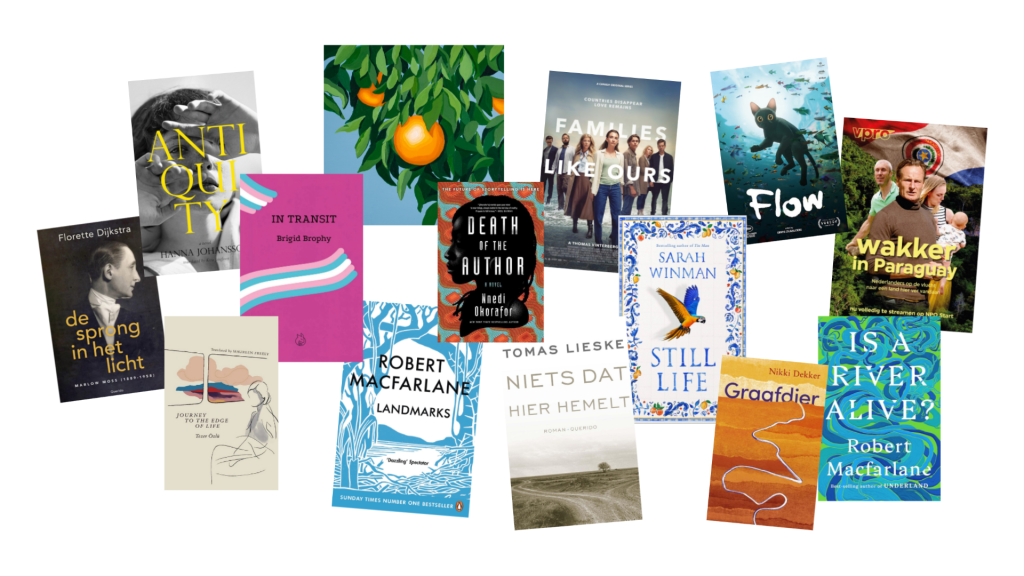
 Florette Dijkstra, De sprong in het licht (Querido, 2025)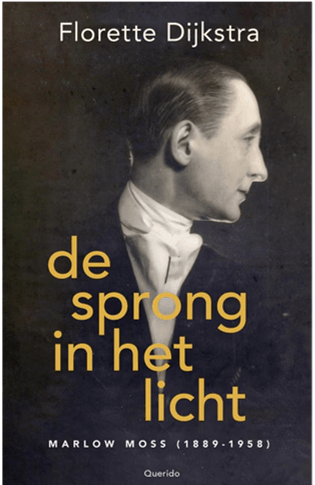
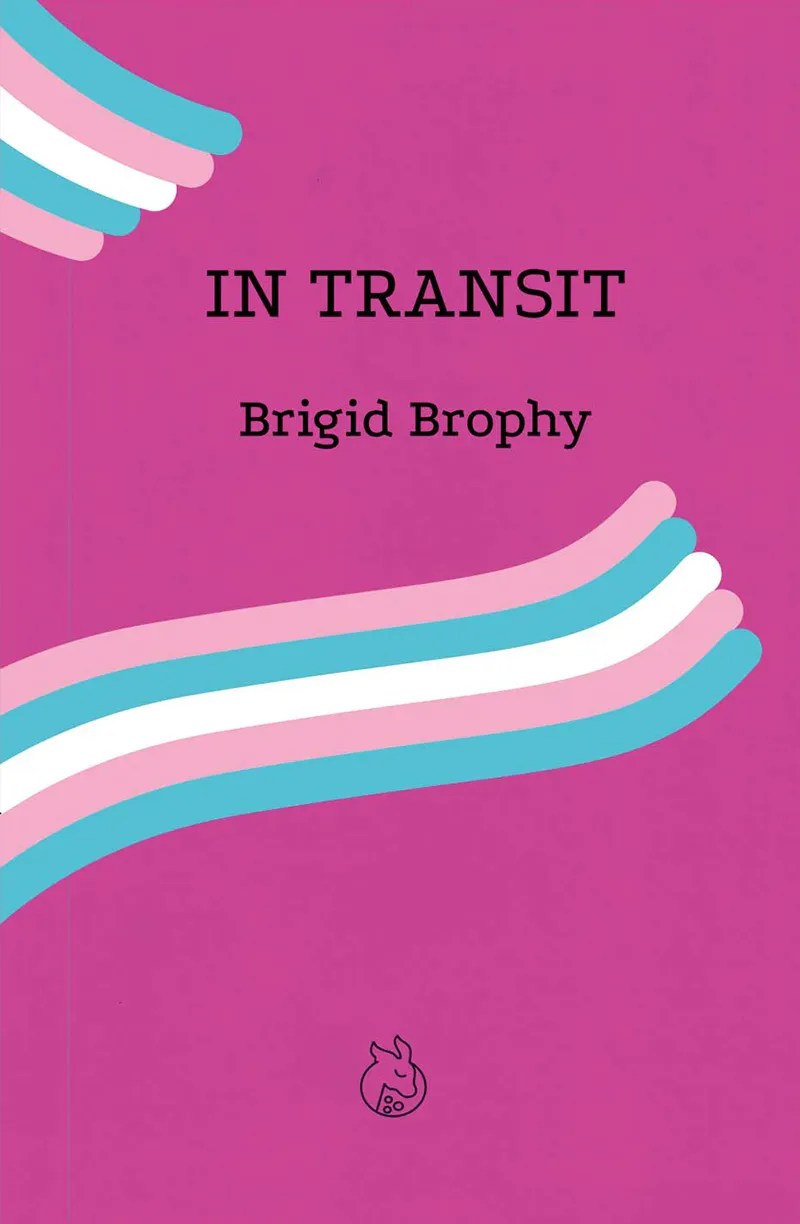
 Wakker in Paraguay – NPO Documentary series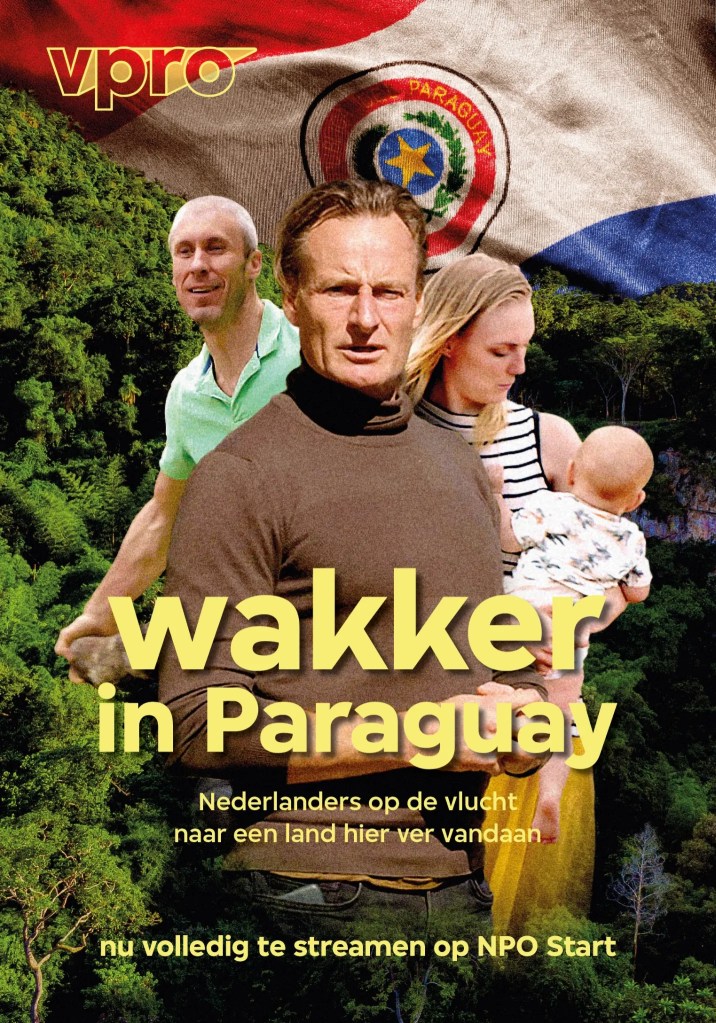
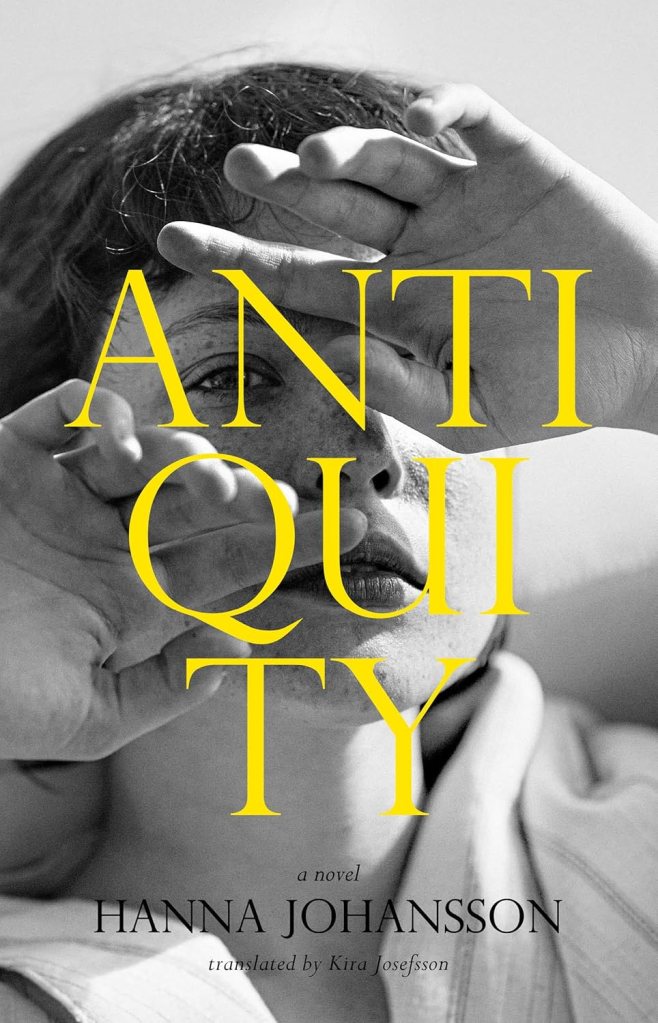
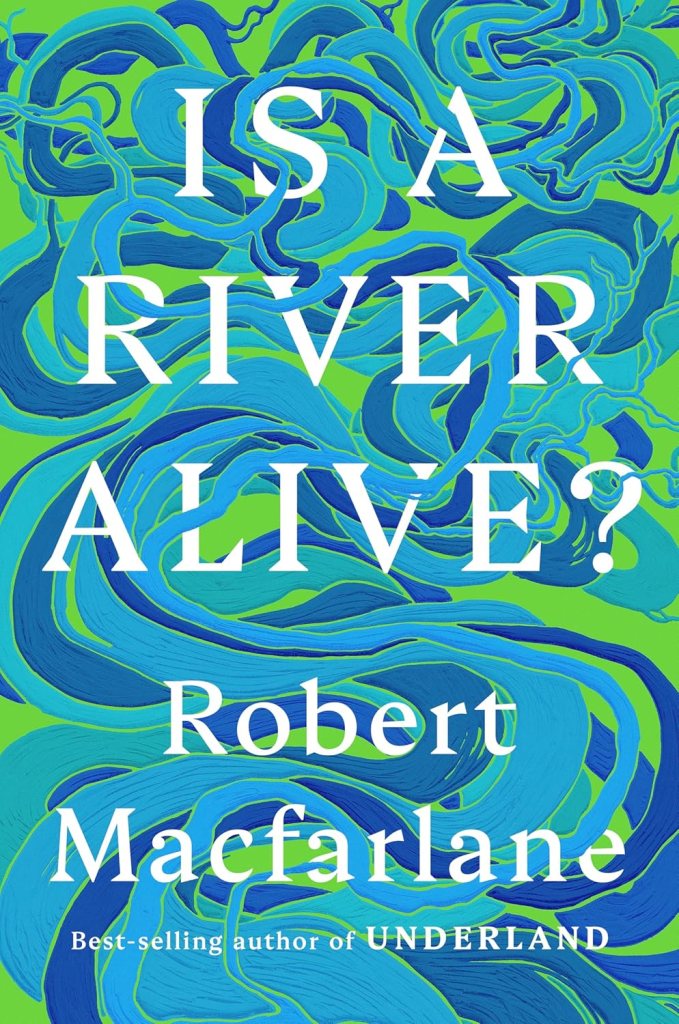
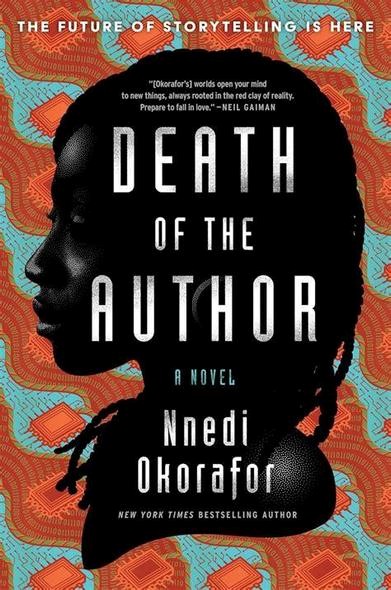
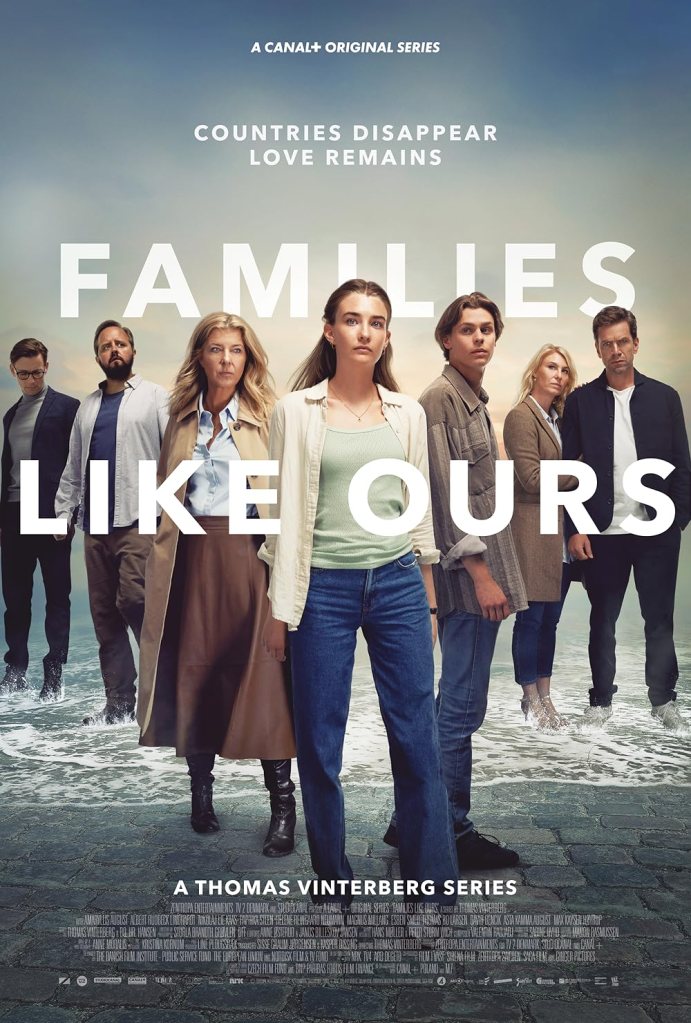
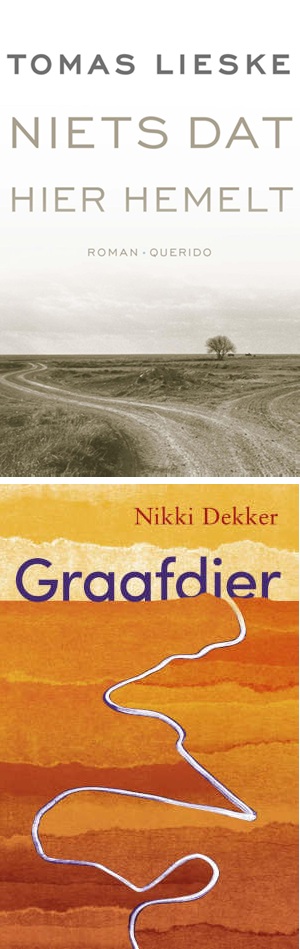
 Flow (2024)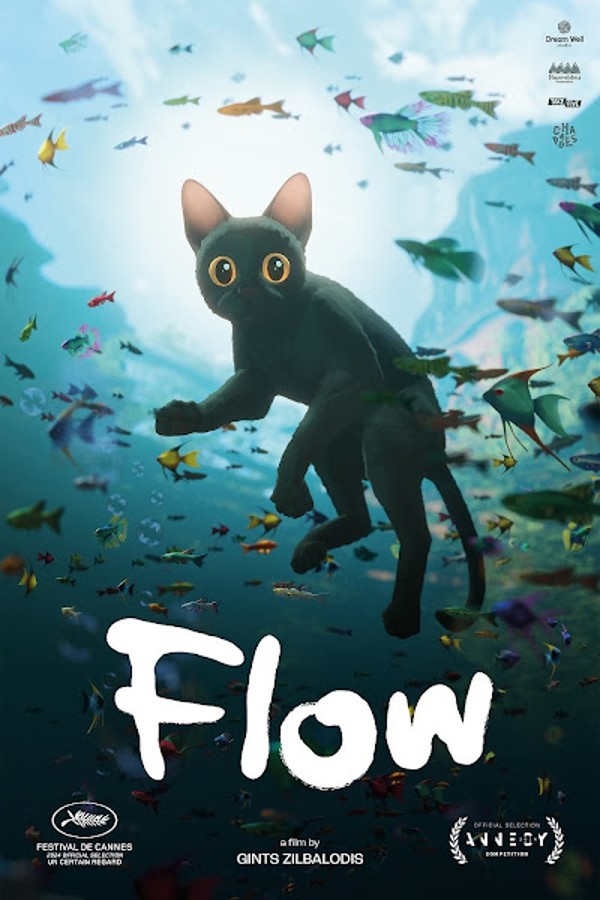
 Tyler Ballgame – For the First Time, Again
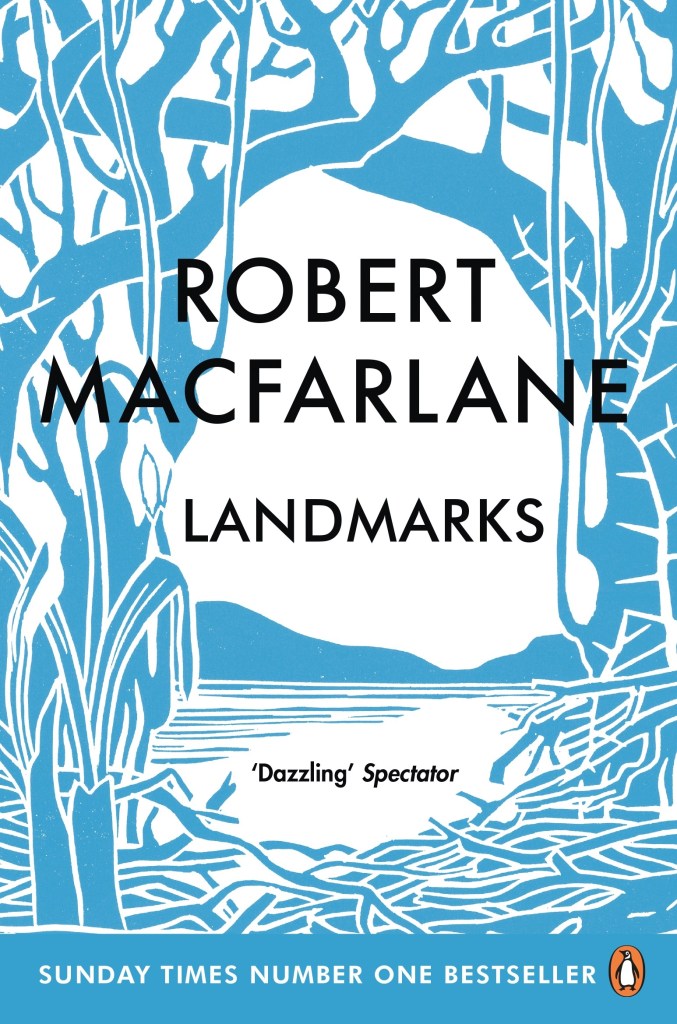
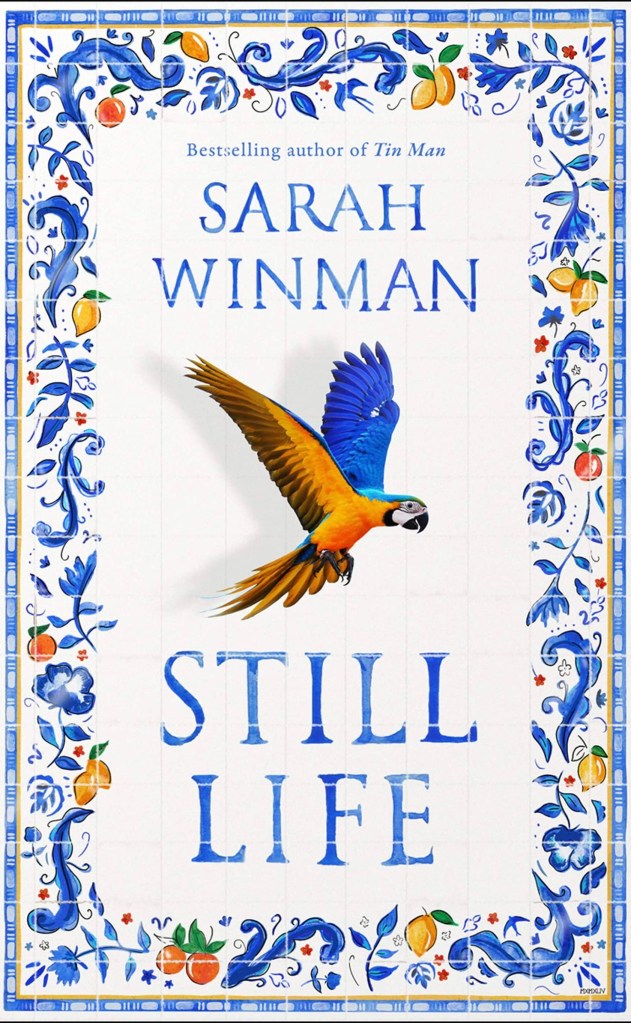
 Tezer Özlü – Journey to the Edge of Life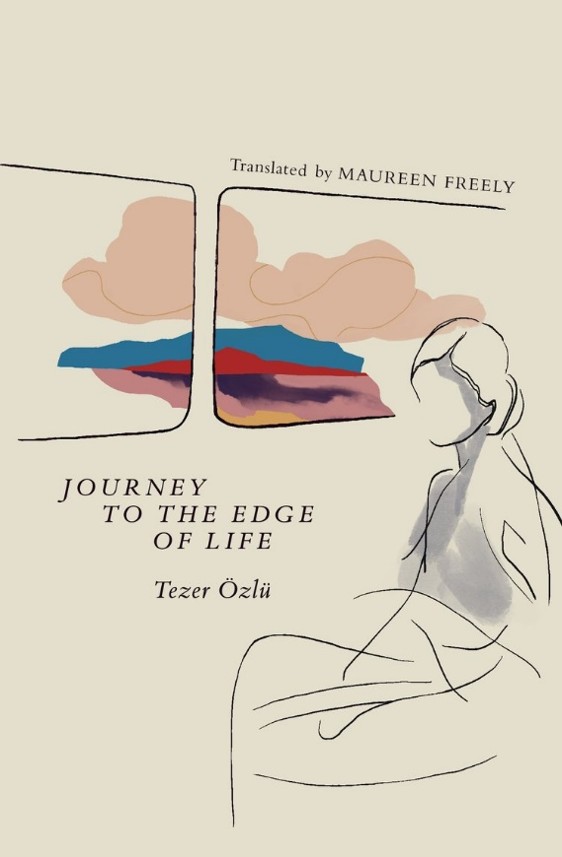
 Brass aan de Waal, De Kaaij