Recently, while attending a PhD writing retreat I connected with my peers about our hobbies outside of academia. I told my colleagues that in my free time I, of course, like to do bird watching. I was faced with curiosity and interest: “Oh really? Did you start it during Covid? It was a big trend back then.” Some friends also commented on it being a retired peoples’ hobby. I was utterly confused – doesn’t everyone casually birdwatch? What does it have to do with being old? Aren’t we all curious about identifying the species around us in the natural world? After receiving three bird books for my birthday, I am now in the acceptance phase of realising that maybe it’s a bit of a nerdy niche to birdwatch in your 20’s. But it’s one that I highly recommend.
I did not start bird watching during the pandemic. In fact, I was indoctrinated from a young age by my parents. Growing up in South-Eastern Finland, the forest is your backyard, quite literally. Our father would play us bird sound cassettes and test our knowledge on nature walks. Not only birds, but we were expected to learn how to identify mushrooms, plants, berries, species of trees – everything in the natural world around us. It was part of being one with and respecting nature, and also to learn what was safe to gather for eating.
However, I was only moderately enthusiastic about birds, until I moved abroad and realised how different the species were in other countries, even within Europe. The storks, grey herons and meerkoets that are so common in the Dutch landscapes were more of a rarity back home. And while most species are the same, they have different cycles. My internal clock was quite baffled hearing some birds singing in February in Nijmegen that mark the beginning of summer in Finland, or seeing the Egyptian geese with little goslings (yes, that’s geese babies) as early as April. Naturally, I reported all these Western European wonders back to my family in the arctic tundra.
On a more cultural level, this pastime is relatively young in its current form. Interest in birds was much more destructive up until 100 years ago. In the 18th and 19th century it was still common to kill and collect birds, as well as other wildlife, for studying their biology or merely displaying them in curiosity cabinets.1 The development of binoculars as well as advocacy of ornithologists Edmund Selous impacted the hobby. In his diary entry from 1898, Selous had an awakening when he displayed remorse for the past killing of birds and urged people to put down their guns, and observe the birds in their natural habitat instead.2 Several decades later, birdwatching was boosted during the Second World War following the 1940 publication of Watching Birds by James Fishers. Surprisingly, (as much as I tried to steer away from my research topic of Heritage on Nazi Persecution) birdwatching was also practised on German Prisoner of War Camps: for instance British PoWs led by John Buxton started their own ornithological society, tracking and illustrating birds and distributing weekly bulletins on the camp’s ‘nature news’.3 Birdwatching offered a welcome distraction to the prisoners, perhaps releasing stress, and a connection to the outside world during their entrapment.
Especially now, during the high intensity period of working on my PhD research, I find a lot of comfort in going out to Ooijpolder with my binoculars. It gives an incentive to go on a walk outdoors and quiets down my brain in the process. I enjoy pretending to be a 19th century ornithologist while studying the features of birds, trying to trace some elements of their dinosaur ancestors in their movements and sounds (if you have seen videos of the East-African shoebill, you know what I am talking about). I use Smart BirdID to note down the species I see and it gives me a cool sticker to my collection for each new bird – kind of like catching Pokémon, or creating a digital (and much more ethical) cabinet of curiosities.
A sticker collection of some of my identified birds on BirdID
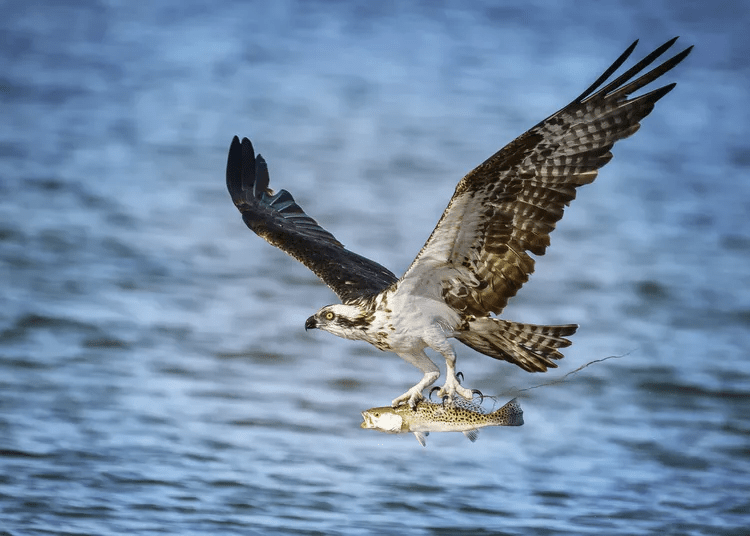
Recently, I received news from my (bird-crazy) family that there is a rather rare osprey couple nesting on an island at our summer house. This was not a coincidence, but an effort of nature conservators who built a man-made nesting platform last autumn. Now our weekly phone calls go: “How are you doing? And how are the ospreys? Have their eggs hatched yet?” Things even took a dramatic turn resulting in a boat chase: as my stepfather saw a boat lingering around the nesting island he jumped onto his boat and chased down the unaware fishermen. I was not there, but I imagine it looked like something out of Baywatch. Once the fishers spotted him, they started drifting away with their boat, but he caught up and ordered them to turn off their motor. The frightened Russian fishers immediately offered their fishing licences. “I don’t care about your licences, but could you please let the ospreys nest in peace?” my stepfather pleaded. They took the hint and left for calmer waters. All was well again in the osprey paradise.
The famous nesting ospreys at our summer house in Torsansalo, Finland.
Regardless, if sitting still for hours with a pair of binoculars is a bit too hardcore for you, you can also sit still on the comfort of your couch for 51 minutes while watching Dancing with the Birdson Netflix or watch a live-camera stream of a bird’s nest. I simply encourage you to take a moment to appreciate the wonderful range of species and nature around us that we often take for granted.
By Eva Schellingerhout, student in Arts and Culture Studies
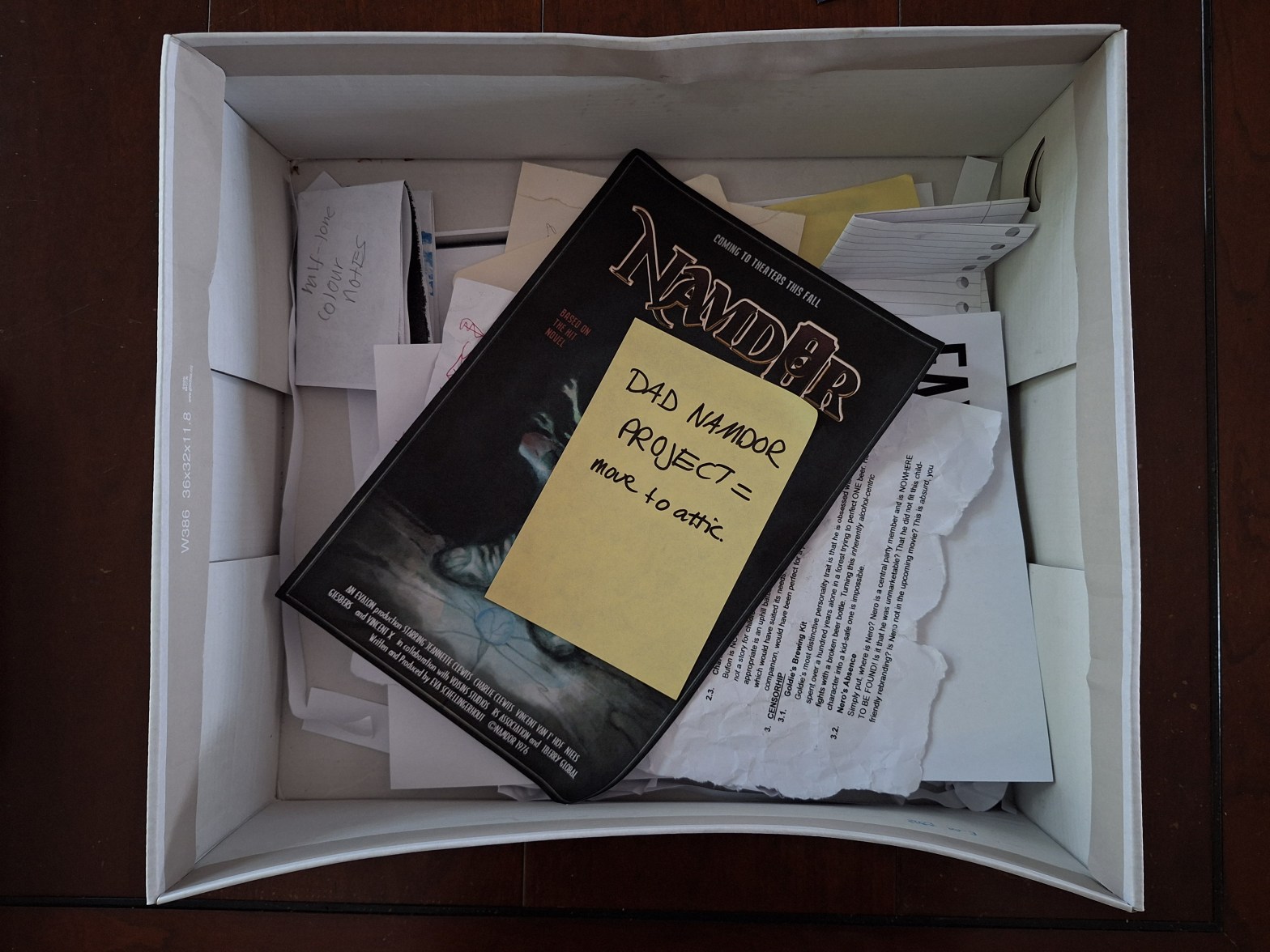
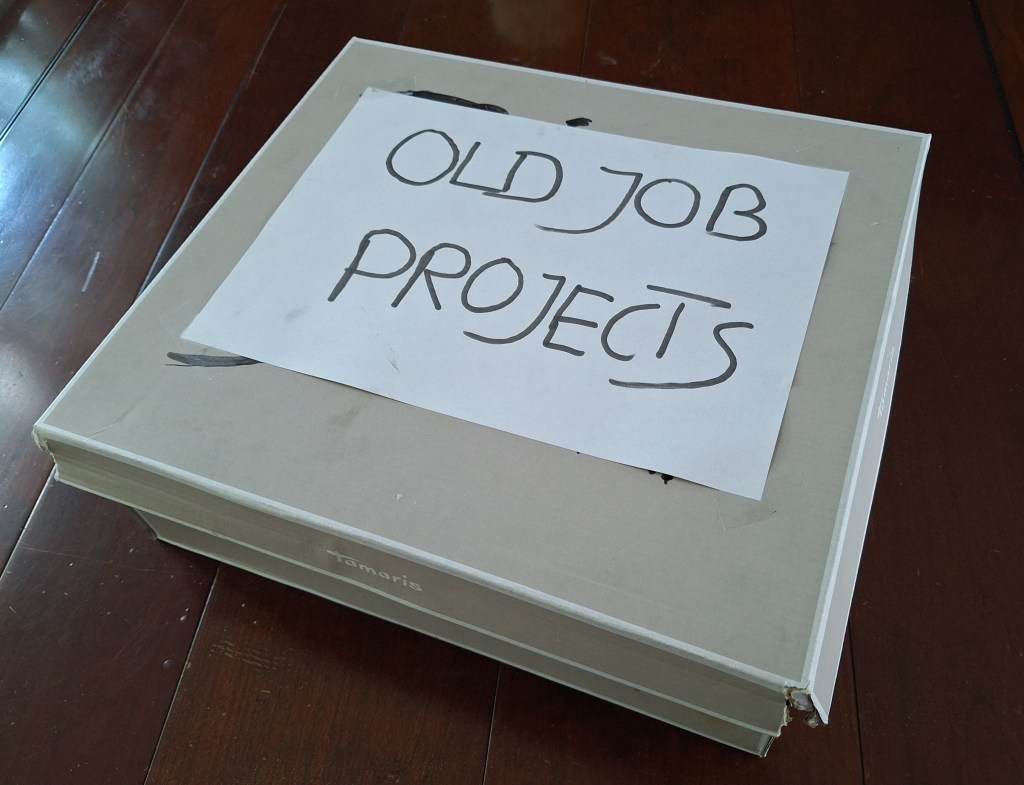
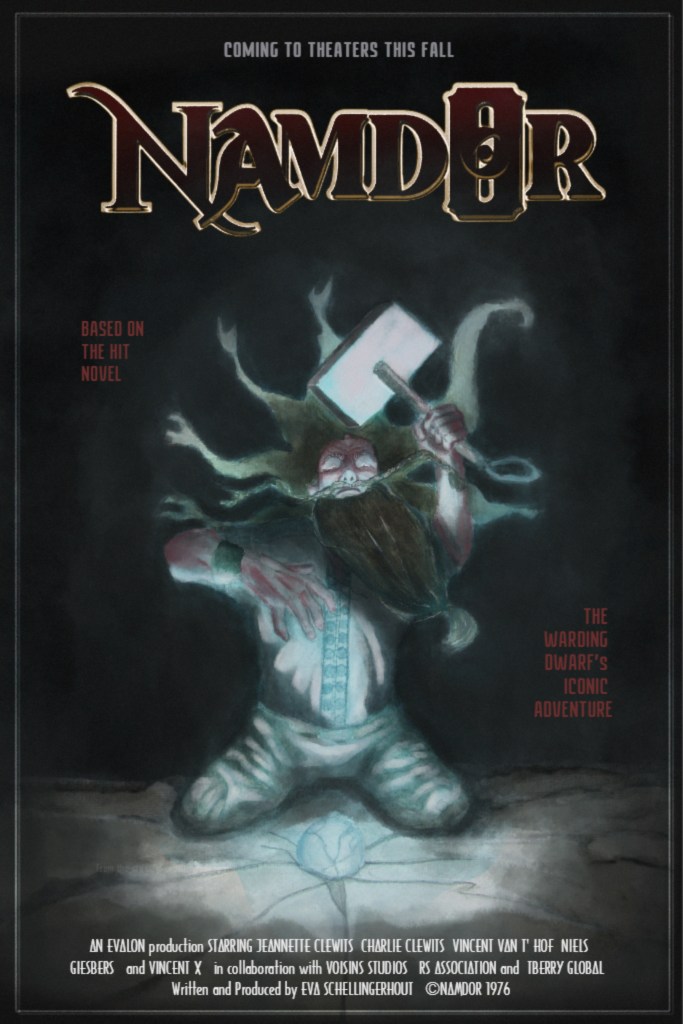
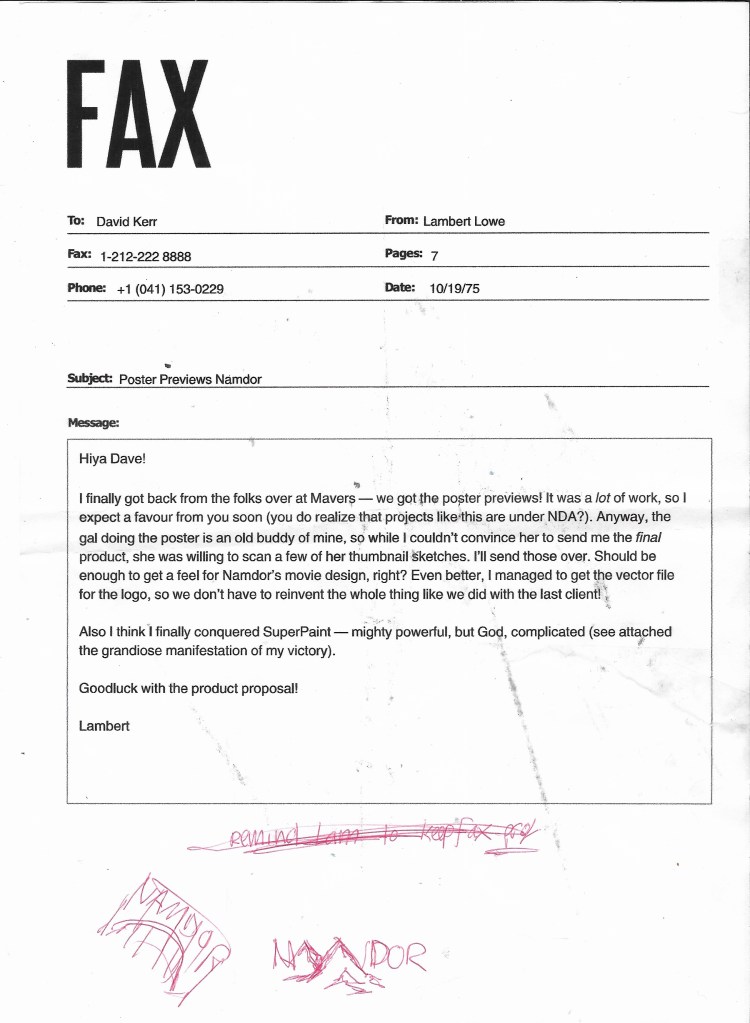
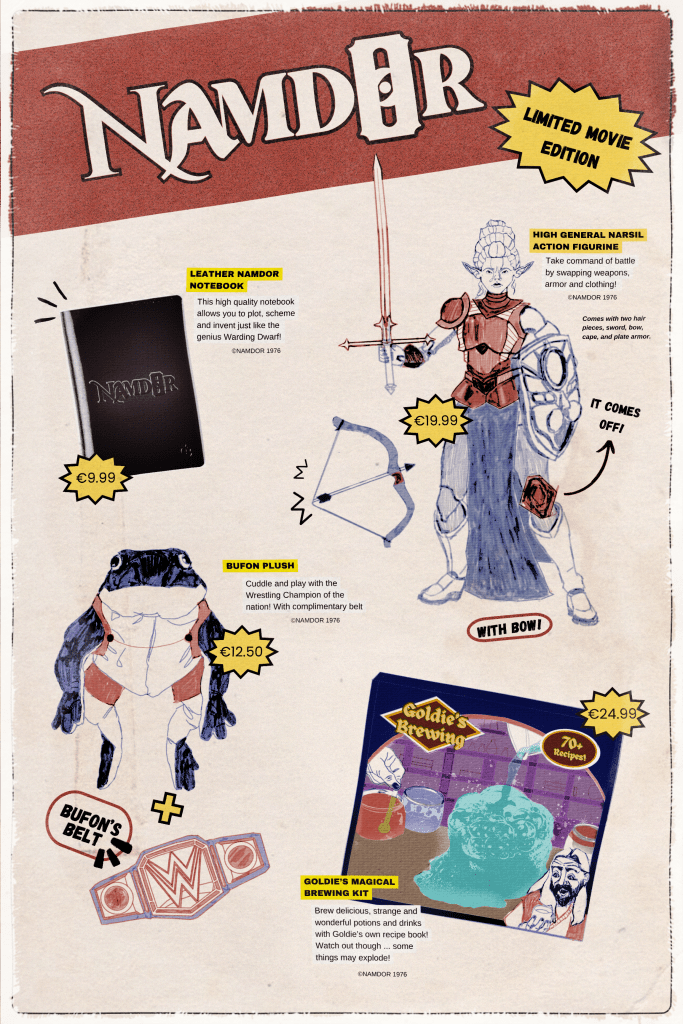
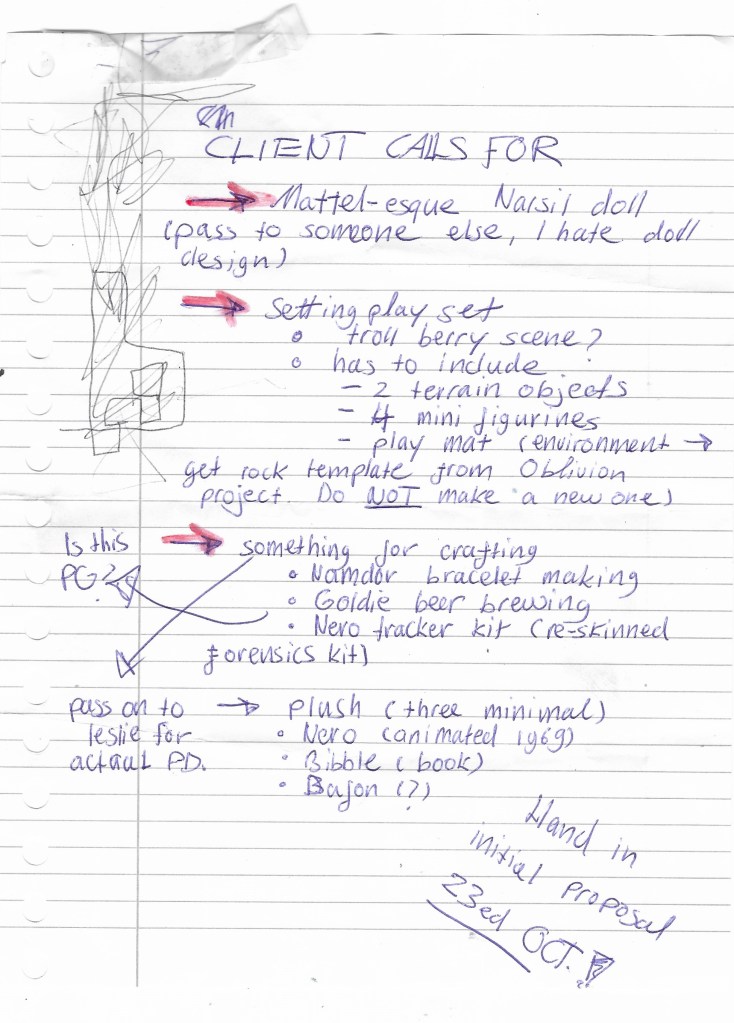
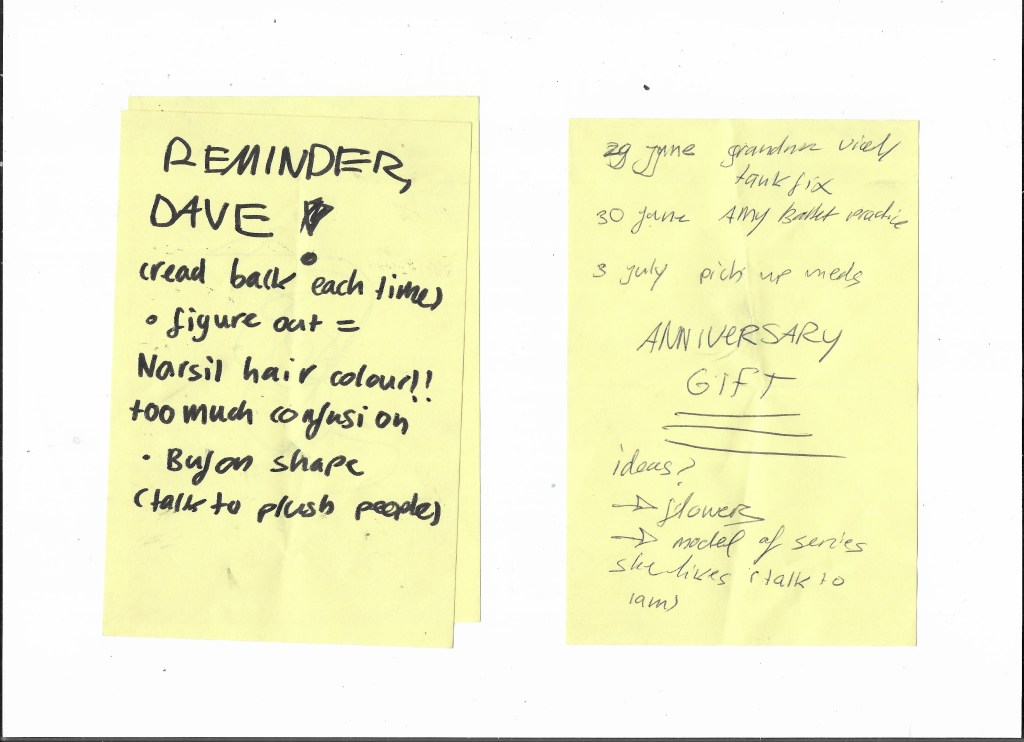
I got introduced to the cut-throat world of copyright and intellectual property at the tender age of eleven, watching a mini-documentary series with my father, called The Toys That Made Us. The series, in its attempt to follow the genealogy of famous childhood toys, exposed the bureaucratic slap-fight that occurred in the 70s and 80s over the merchandising rights to the latest Star Wars or He-Man. Corporate espionage, stolen trademarks, leaked product designs — it was a wild, dangerous world that endlessly intrigued me. This interest resurfaced when I was tasked with making my own transmedia story — I was going to create my own slap-fight, a company that would have competed with the likes of Kenner and Mattel at the heights of this ‘Toy War’. In the end, it became less a company, and more of a living, breathing person: David Kerr, a fictional toy product developer in the 70s, is contracted by a franchise to create a toy line, to accompany their upcoming film and collects his mementos of the work project in an archive box, where they sit, forgotten, for decades. The objects in the box are myriad: through advertisement blurbs, communication between the product designer and the client company, editor notes and sketches, the failings of a bled-dry franchise can be pieced together, alongside details about David’s personal life.
The archive brings two different branches of intermedial storytelling together: the ‘classical’ model of intermediality, Jenkin’s spatial transmedia “commercial franchise” and David Kerr’s personal life, which interacts with thing theory, archives and personal memory (Ryan 4).
Following Heersmink’s model, my archive functions as an ‘autopography’, a “network of evocative objects” which “provides stability and continuity for … autobiographical memory and narrative self” and through interacting with these objects “we construct … our personal identity” or the “narrative self” (1846; 1830). I.e. by interacting with the evocative objects in the storage box, we construct a narrative for the product developer. During the process, the viewer endows objects with autobiographical meaning, imagining the relation between human actor and object. To promote this ‘endowing’ I aged the objects, scrunched up and tore the complaint letter and left out specific information. On a larger scale, how the ‘viewer’ chooses to construct the narratives they find in the box, whether this is the first or second branch or a combination of both, can be seen as cryptographic narratives being at play. The cryptographic narrative was conceptualised for video games that obscure a secondary, parallel story in their text not necessary for game completion, which can only be accessed through dedicated effort (Paklons and Tratseart 168). Because my project is also interactive and deals with constructing narratives out of “disparate plot points”, in a co-creation process between author and viewer, but also never confirms whether the constructed narrative is ‘correct’, the cryptographic narrative is a useful framework (Paklons and Tratseart 170).
Superficially, the storage box forms two branches of theory, or rather, invites two different modes of interaction, as I suggested earlier: the viewer can either connect with the commercial franchise, in the form of adverts and film posters, or with David Kerr, via grocery lists and sticky notes. In practice, this is a crude simplification of the inner workings of the box. Naturally, I cannot dictate which ‘story’ the viewer will find interesting. In essence, all objects can become a part of an infinite number of theoretical cryptographic narratives, at the whims of the viewer, since there exists no hierarchy, or even true division, between plot elements. The theory, therefore, that I outlined above, can be applied to all objects: the two branches exist simultaneously, it all depends on how the viewer interacts with the objects. Does the viewer acknowledge the constructed nature of the archive box and therefore treat the ‘personal memories’ of the product developer as clues instead of real memories, taking a cryptographic approach? Does the viewer see the representations of the commercial franchise as an extension of the narrative self of the product designer? And so on and so forth.
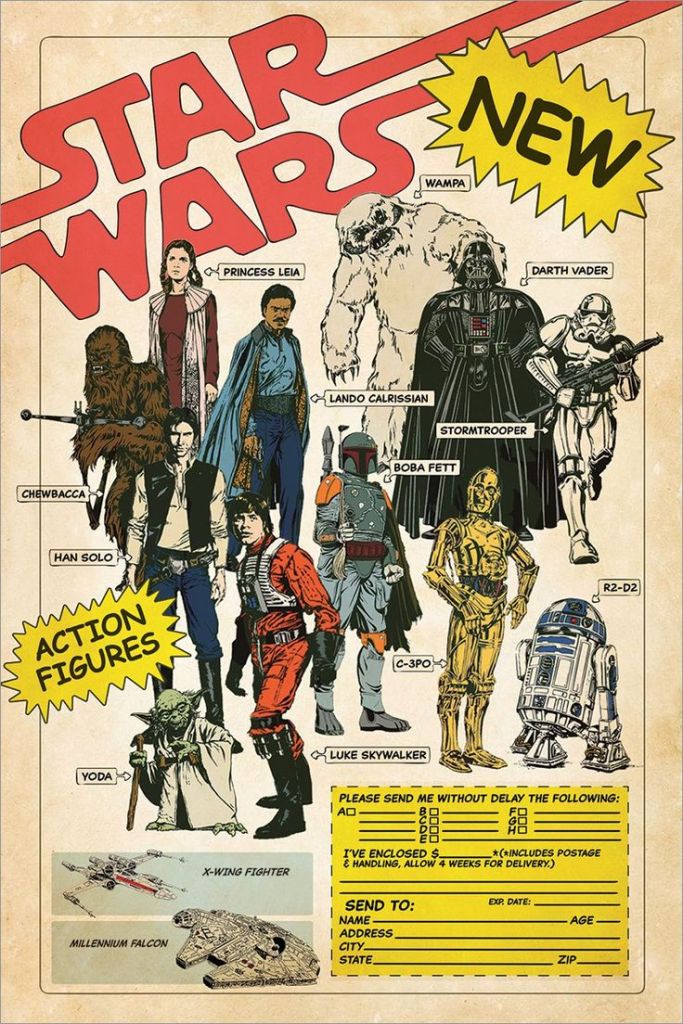
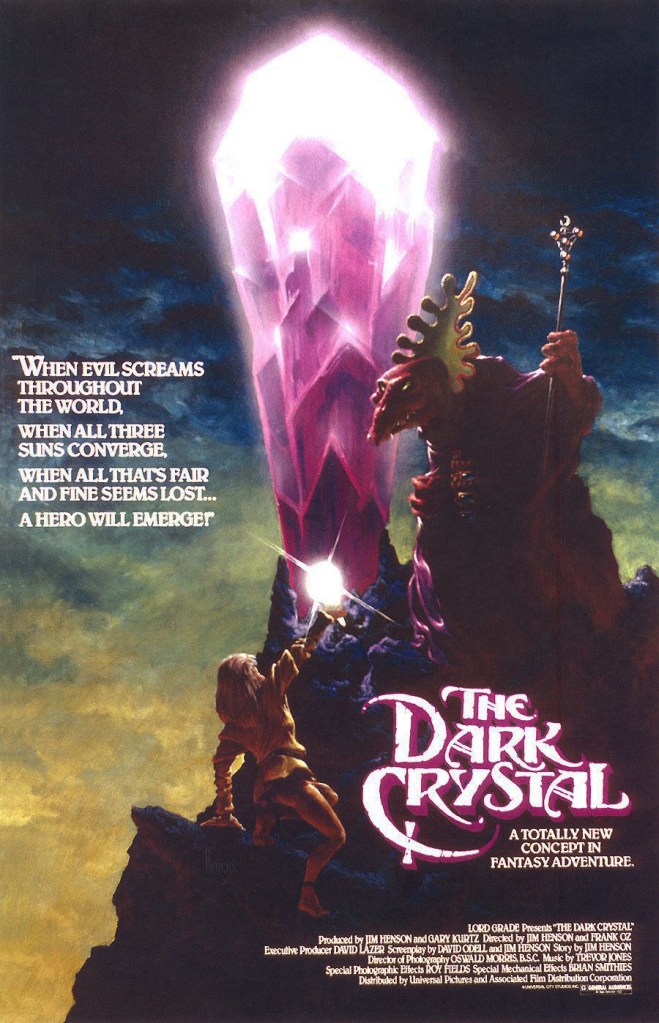
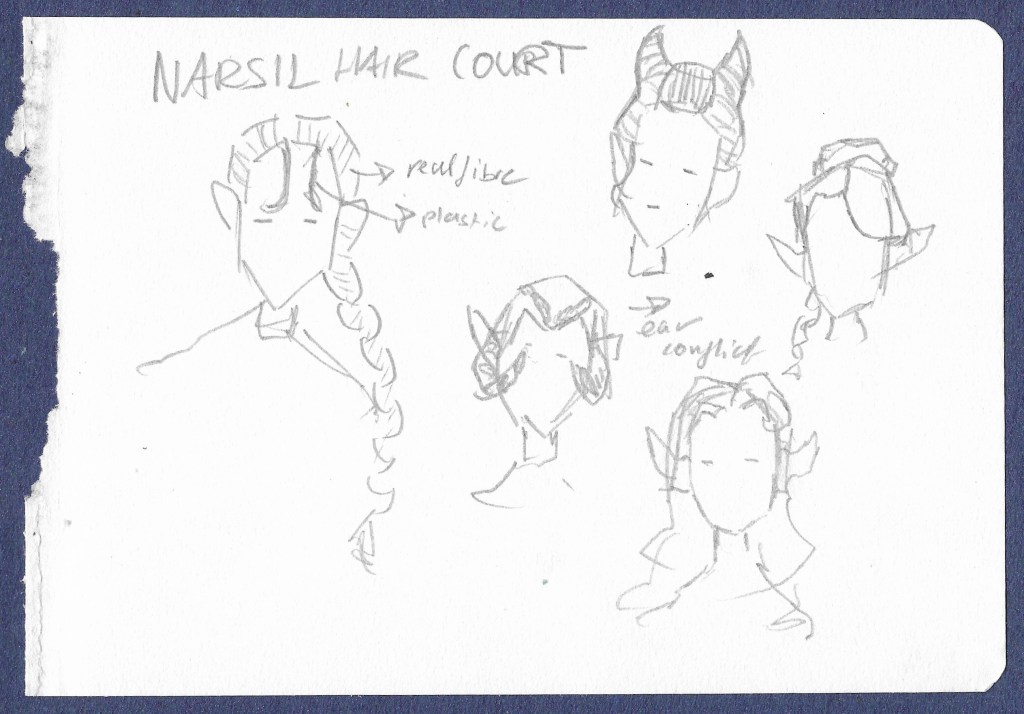
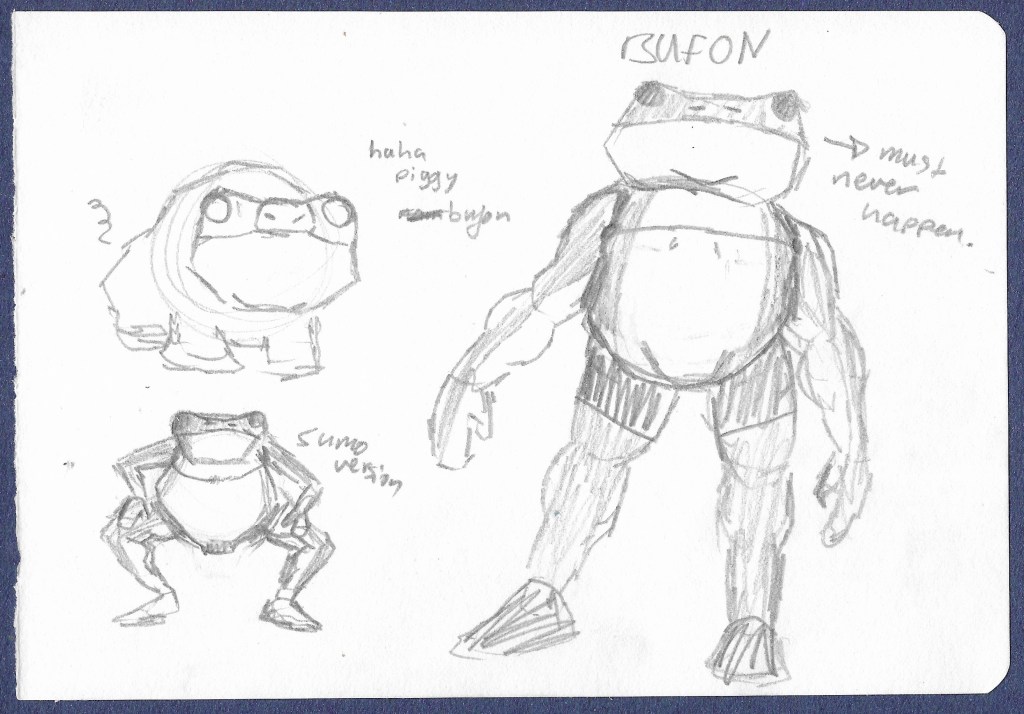
For the actual contents of the box, I compared archival documents, like old Star Wars, Transformers, Marvel, He-Man and Mattel adverts, and how they constructed their brand identity across multiple media (see the first image below this paragraph). For the poster, I drew from 80s fantasy films, like The Dark Crystal,The Labyrinth and The NeverEnding Story (see images 2 and 3). Once I started researching 70s and 80s idiosyncrasies, it became near compulsory to check each detail. It began with googling 1980s travel brochures — at this point my itinerary was much more ambitious — and ended with frantically searching for the computer standard typeface for word processors in the 1970s. It’s Helvetica, for those curious (image 4). All of this was endlessly fascinating to me, but I’ll stop myself, before I start waxing poetry about film poster composition, gauche colouring and standard 70s printing practices. Essentially, the viewer should be able to deduce a vague time estimate based on typography, colour, texture, ‘style’, and composition (image 5).
The biggest problem was verisimilitude — breaking the contract, stepping past David Kerr and inserting emphasis where none would have existed, proclaiming “Yes! This is what you should be looking at!”. An over-reliance on the cryptographic elements would train the viewer to only engage with the objects as potential clues, which would limit their engagement to a very narrow range of emotional investment (images below this paragraph).
The toys, especially, formed a roadblock. I was not just trying to create appealing designs — they would have to fit 70s sensibilities, while also reflecting the restraints David Kerr would have battled with, like time, budget and investor desires (images below this paragraph). When I went back to theory, I was able to put my worries to rest. Wolf writes, “Adaptation into a physical playset [or toy] … involves not so much the adaptation of a narrative, but rather the settings, objects, vehicles, and characters from which a narrative can be interactively recreated by the user” (169). Flattening these characters was integral to making a toy, I realized, which is a great narrative tool for my project at large.
Then, it was just a matter of shackling myself to my desk until my eyes went red and David Kerr had substantially come to life.
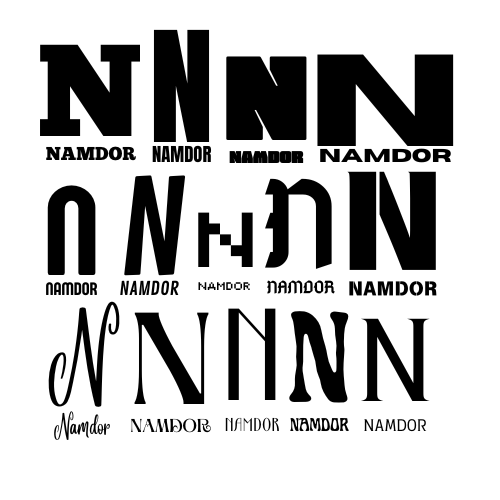
There is so much more I could mention about this project. How I arranged the objects in the box, how I re-folded and un-folded paper, the intricacies of all the scrapped product designs and rejected archive objects, how the Namdor logo is made from five typefaces and took an entire day (see image) — but alas.
The Namdor Archive box now rests behind my curtain, buried by a few sunhats, pillows and a children’s microscope. It has ironically, become a truer archive than it had ever previously been — the papers have bent beneath their own weight and some knickknacks from 2024 have found their final resting place inside. The box has already begun to fade from memory. I wait for someone to rediscover Me and David Kerr inside.
Works Cited
Heersmink, Richard. “The Narrative Self, Distributed Memory, and Evocative Objects.” Philosophical Studies: An International Journal for Philosophy in the Analytic Tradition, vol. 175, no. 8, 2018, pp. 1829–49. JSTOR, www.jstor.org/stable/45094122.
Hescox, Richard. “The Dark Crystal.” N.d., Pinterest, pin.it/5AYWXOEcU.
Paklons, Ana and An-Sofie Tratsaert. “The Cryptographic Narrative in Video Games: The Player as Detective.” Mediating Vulnerability: Comparative Approaches and Questions of Genre, edited by Anneleen Masschelein et al., UCL Press, 2021, pp. 168–84. JSTOR, doi.org/10.2307/j.ctv1nnwhjt.14.
Ryan, Marie-Laure. “Transmedia Storytelling: Industry Buzzword or New Narrative Experience?” Storyworlds: A Journal of Narrative Studies, vol. 7, no. 2, 2015, pp. 1–19. JSTOR, doi.org/10.5250/storyworlds.7.2.0001.
Wolf, Mark J. P. “Adapting the Death Star into LEGO: The Case of LEGO Set #10188.” Star Wars and the History of Transmedia Storytelling, edited by Sean Guynes and Dan Hassler-Forest, Amsterdam UP, 2018, pp. 169–86. JSTOR, doi.org/10.2307/j.ctt207g5dd.16.
With summer vacation having started for many and drawing closer for others, we thought it would be a good time to ask our staff in Arts and Culture Studies about the cultural things they’ll be enjoying this vacation. If you’re on the lookout for a book, a podcast, an album or an activity to spend your summertime on, look no further, because ACW has some suggestions for you!
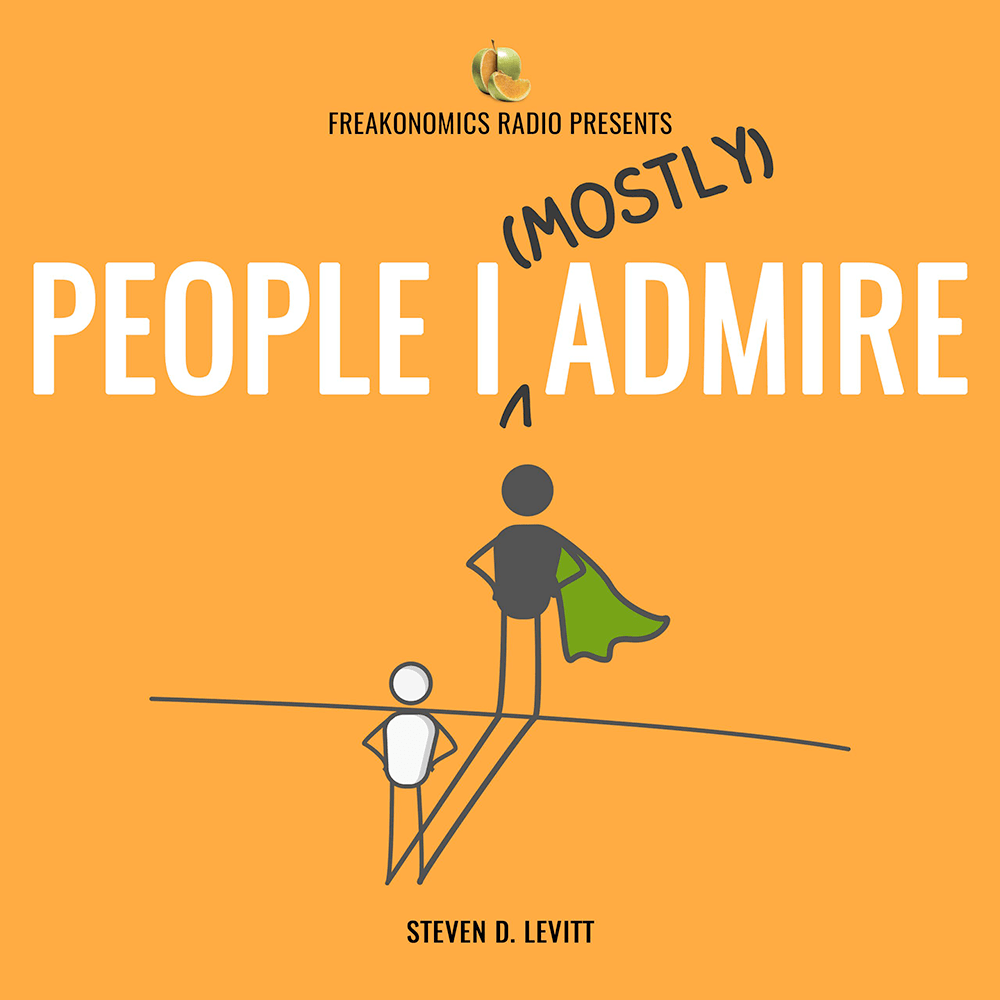
Podcast: People I (Mostly) Admire by Steven D. Levitt Episode: Maya Shankar Is Changing People’s Behavior — and Her Own I love listening to behavioral scientists and how their tiniest intervention can make a change in social systems. This episode talks about different ways in which behavioral economics was applied to increase voter’s turnout (among other fascinating examples) and how as people, embracing change can be daunting but is quite necessary. The entire podcast has a stellar guestlist, and its my cooking companion! Apoorva Nanjangud, Postdoctoral researcher, MTC
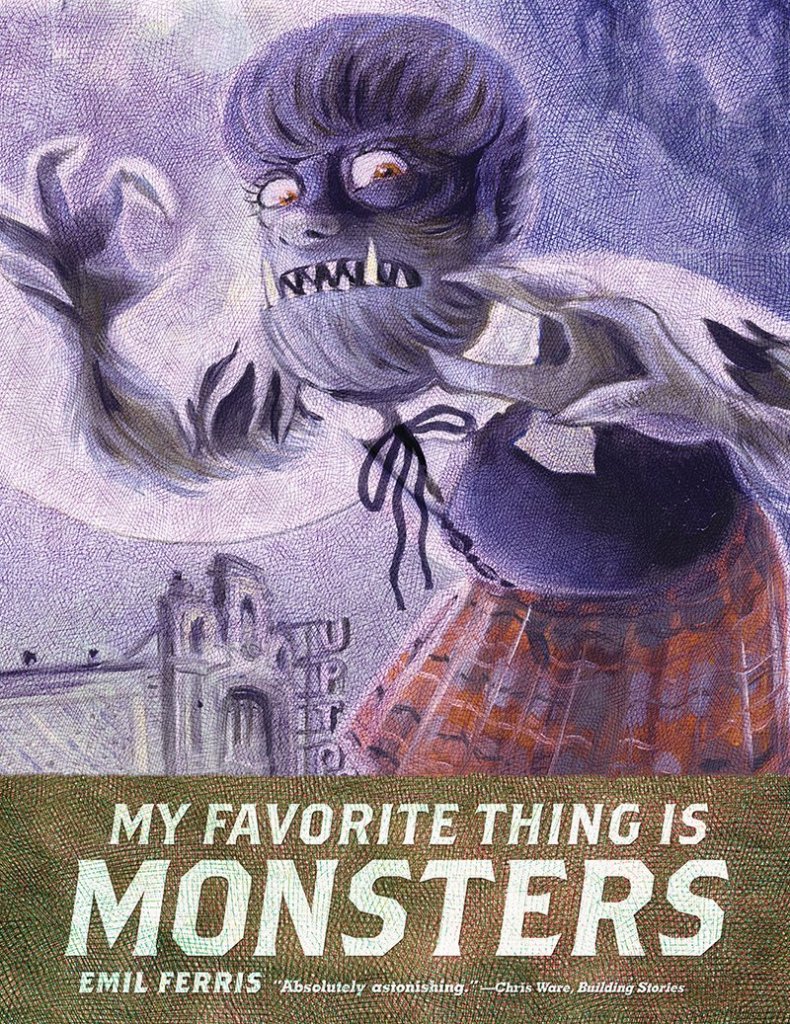
Graphic Novel: My Favorite Thing is Monsters – Emil Ferris This two-volume graphic novel is a mind-blowing read about a monster-like girl growing up in the vibrant and violent city life of Chicago in the 1960s. The book is one of those rare cases where excellent script writing and intricate graphic storytelling come together. It is also the debut of a 50+ American writer who has spent over two decades working on it. Maarten de Pourcq
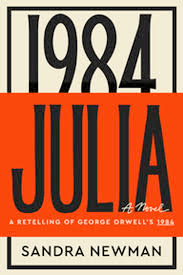
Novel: Julia – Sandra Newman It takes great courage to re-write a classic novel like Orwell’s 1984, and Newman pulls it off. This retelling of the story from the perspective of Julia is fantastic, especially where dialogues from the original have been copied literally and still manage to twist the original plot. Edwin van Meerkerk
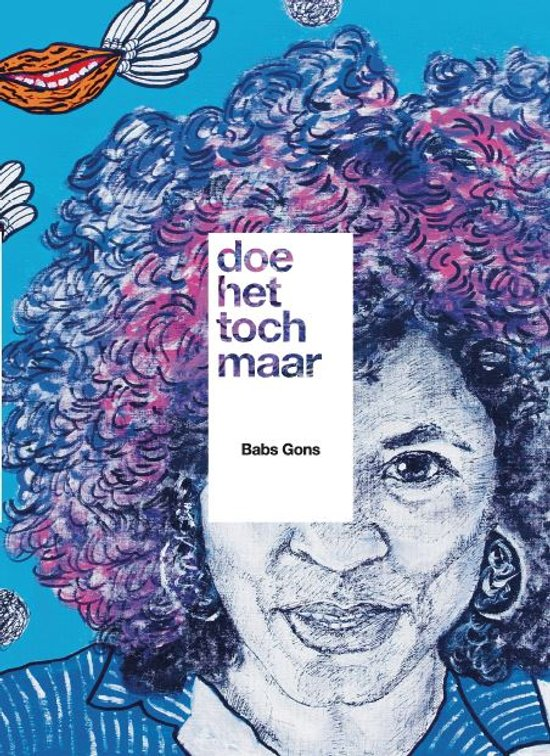
Poems: Doe het toch maar – Babs Gons, and a novel: Jaguarman – Raoul de Jong Bookworms who have turned their hobby into their job have a problem: as children, they tried to make each book last as long as possible, but now that reading is their work, the tower of texts that must be read seems to rise in direct proportion to their falling quality, which makes speedy reading both necessary and desired. Not with these two books. Their optimistic realism and real mystique made me want to stay with them. Anna Geurts, teacher in cultural studies and historian of Dutch and Surinamese travel.
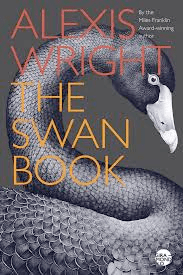
Novel: The Swan Book – Alexis Wright I would like to recommend this energetic as well as poetic novel from 2013 by the Nobel Prize-worthy Indigenous Australian author Alexis Wright. It has just been translated to Dutch as Het boek van de zwaan, presumably because of its highly topical theme. It’s a sci-fi story about climate change and the injustices inflicted upon Aboriginal people (and how the two are related). I will be reading Praiseworthy, Wright’s latest novel, this summer myself. Or I will try, as it’s 800 pages long! The Swan Book is easier to read on the train to the beach or in your tent in the woods. I wouldn’t exactly call it light reading, but it’s a great reminder of the power of literature and that’s always welcome – in any location. Dennis Kersten, Lecturer Arts and Culture Studies/ Algemene Cultuurwetenschappen
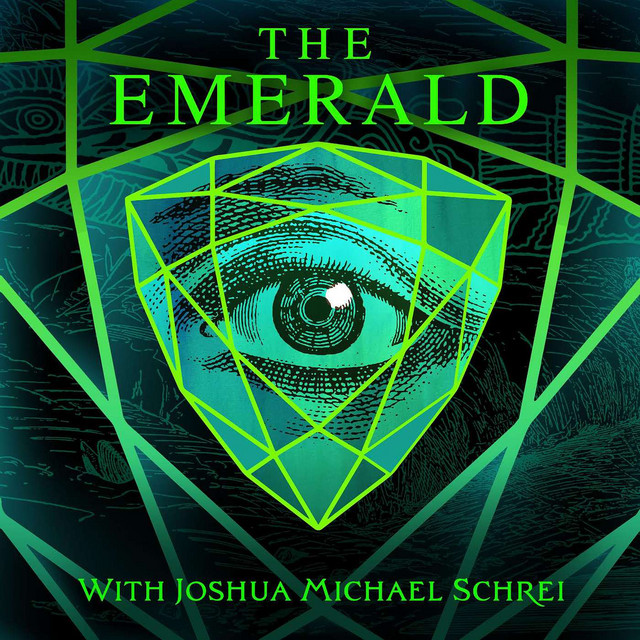
The Emerald Podcast For the past few years, I’ve been diving deep into ancient myths, and last year I stumbled upon a podcast that has completely captivated me since. The Emerald podcast is a mesmerising blend of myth, story, music, and imagination, creating an immersive experience (best described as a “sonic journey”) that hooked me from the first episode. This podcast reminds us of the importance of reviving the imaginative and poetic essence of human experience, celebrated by cultures for thousands of years, to address today’s unprecedented challenges. Britt Broekhaus, project coordinator
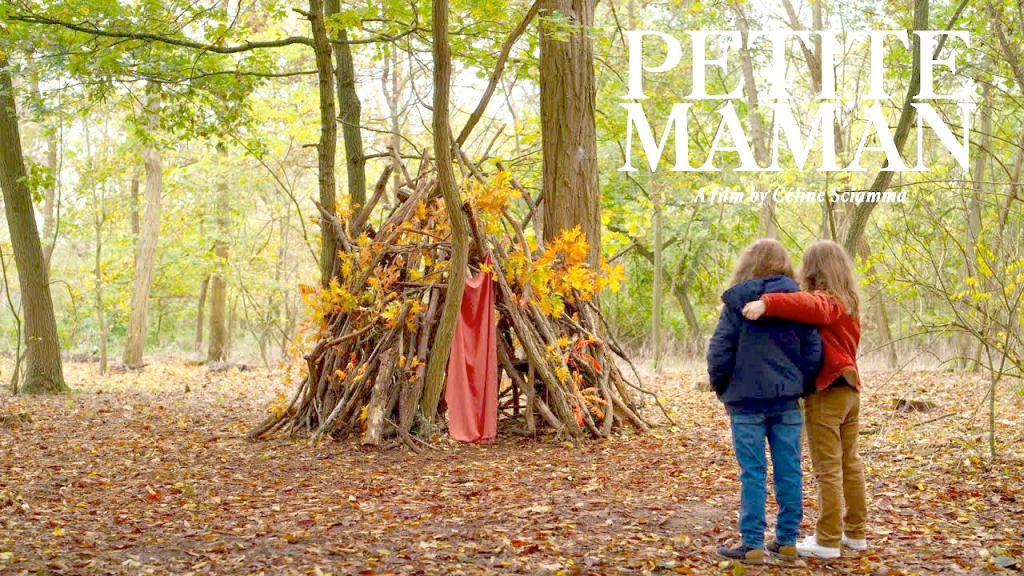
Film: Petite Maman, a 2021 French fantasy drama, written and directed by Céline Sciamma Why I would recommend it: always wished you could have met your parents when they were much younger – or even the same age as you? The film follows a young girl who experiences just that. She copes with the death of her maternal grandmother by bonding with her mother – who she meets in the woods, and who is eight years old, just like she is. It does not take long before she quietly realizes that this stranger is actually her mother in a much younger version. The film is beautifully shot, lovely to look at, thought-provoking, psychologically well constructed and (somehow) strangely credible. It stayed with me for weeks after I saw it. Petite Maman is available on Pathé Thuis. Helleke van den Braber
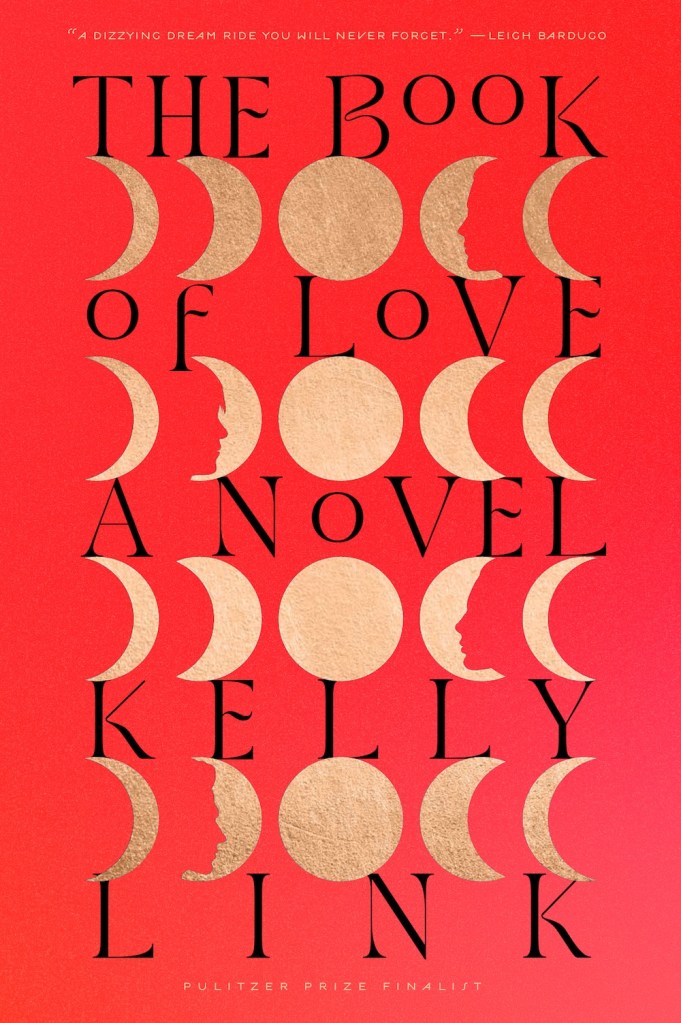
Novel: The Book of Love – Kelly Link I recommend The Book of Love because it is captivatingly strange. I spent the first half of the book having my expectations defied and wondering where on earth the plot was going, and the second half deeply impressed with the way all these widely diverging threads of plot were woven into a coherent whole. This is a book for people who enjoy magical realism, interpersonal drama, and carefully wrought prose. Julia Neugarten, PhD candidate
Album: ‘The Shape of Fluidity’ – DOOL This album was put into the world in April 2024 and since then I have been loving it, as it touched something in me. As the artists themselves say: “The theme of the album pitches the concept of identity against the backdrop of a world in constant flux, and deals with change. […] We have to be as fluid as water to navigate ourselves through this ocean of possibilities and uncertainties – and make peace with chaos and impermanence.” Demi Storm, PhD candidate
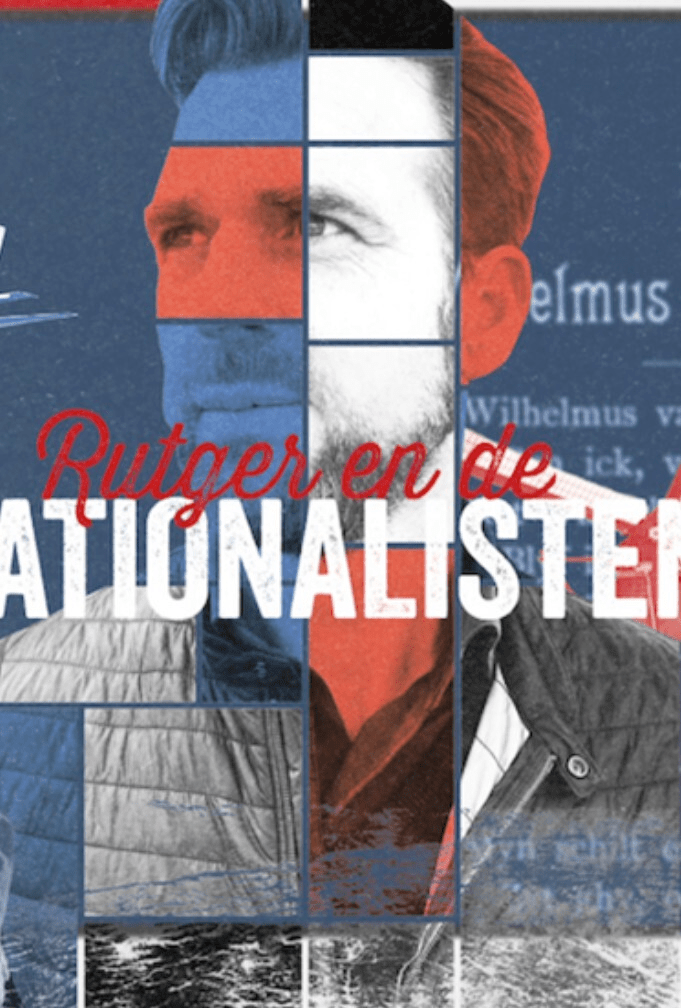
TV Program: Rutger en de Nationalisten (2023) In case your summer is too relaxing, and you are afraid of getting too optimistic about the future, I’d recommend the NPO series Rutger en de Nationalisten (2023). In this series, Rutger Castricum (PowNed) follows a number of nationalists of different flavours in their daily lives and work – from anti-vaxx conspiracist, farmer, politician, or local neighbourhood watch to student association and Friesian car mechanic. The series gives a good and disconcerting insight into a world that might seem far away, but that surrounds us every day. Happy watching! Anonymous Contributor
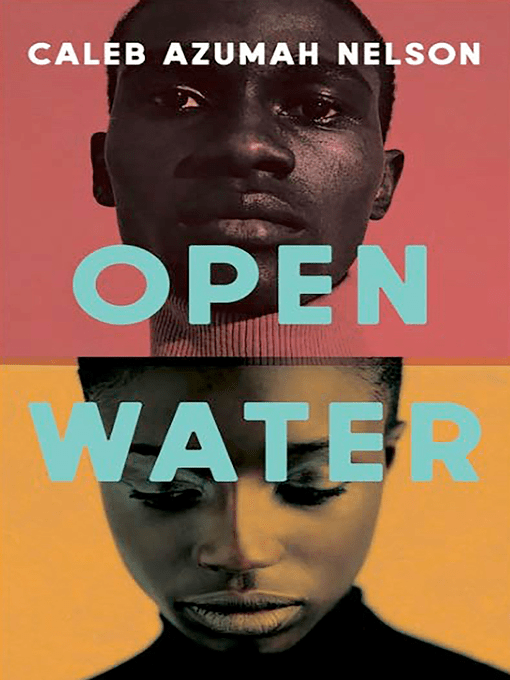
Novella: Open Water – Caleb Azumah Nelson Both intimate and brutal, Open Water is a beautifully written novella that has made a great impact on me despite its short length. At first glance, it is mostly a love story between a photographer and dancer in London, but unfolds into careful examinations of Black artistry, racial injustice, police brutality and mental health. I love the lyrical prose and musical influence, and have re-read many passages since my first read; it’s the perfect slow read for summer! Joy Koopman, PhD candidate
TV Program: B&B Vol Liefde Ja kijk, ik kan nu heel cultureel verantwoord gaan doen, maar we willen deze zomer gewoon allemaal B&B Vol Liefde kijken toch? De afgelopen 3 zomers was dit dé zomerbesteding. Ik was oprecht verdrietig op vakantie omdat ik toen 10 dagen moest missen. Het is super wholesome hoe al die mensen met elkaar omgaan, er zijn vaak mooie natuurbeelden, er komen iconische memes uit en de afleveringen zijn ook lekker lang (ongeveer een uur en dat dan 5x per week) dus dat is perfect. Lekker met je hoofd voor de ventilator als het snikheet is, wijntje erbij. Maaike van Leendert, lecturer
Exhibition: Spot On – Hairytales in museum Kunstpalast, Düsseldorf This exhibition is just a small room in a large museum, but it showcases a particularly interesting subject. The way that hair is styled tells us something about social status and belonging to societal groups. Cuts and hairdos expose notions of gender and body image of their time. They reflect norms and are an expression of political protest and resistance. “Hairytales” opens up perspectives on this intimate, symbolic material. Jeanine Belger, Teacher in Residence
Novel: Zeno’s Conscience by Italo Svevo At the moment I am (re)reading this classic and I’m just smiling and crying and applauding all the time. Originally published in Italy in 1923 (as La coscienza di Zeno), this novel hasn’t lost anything of its power and ingenuity. Memorable protagonist, a continuous embarassing self-analysis. Every sentence is to be savoured. Natascha Veldhorst
Concert on September 26/27: Nick Cave & the Bad Seeds “The Wild God Tour” in Amsterdam’s Ziggo Dome. The 26th is already sold out but there are still tickets available for the 27th. Cave’s approach to culture and literature has been an inspiration to me as a student and later as a teacher. Rarely do I come across a band or a song where music and lyrics so powerfully transform one another, yielding layers of meaning that are as much scary as they are uplifting, often bordering on the sublime. I always enjoy coming back to his art, which is why recommend this upcoming concert. Laszlo Muntean, assistant professor of visual culture and some other stuff
Novel: The Wall (Die Wand) – Marlen Haushofer (1963) My recommendation is one of my favorite novels of all time: The Wall by Austrian writer Marlen Haushofer. This is an ecofeminist novel about a woman who wakes up in a cabin in the woods to realize she is separated from the rest of the world by a transparent wall. The forest and a few animals are her only companions, creating difficult conditions for survival, but also stimulating her to document her daily activities and thoughts about being the only human among nonhumans. The world the book creates is, despite its dystopian elements, a wonderful place to immerse oneself in during a summer break. After reading, you can also enjoy the film adaption (Pösler, 2012), but I would recommend you to first imagine the world this moving book creates by yourself. Rianne Riemens, PhD candidate
The header image for this blogpost was created by Courtney McGough and shared on Flickr under a CC BY-NC-ND 2.0 license.
Ik las ooit in een boek van de boeddhistische leraar en monnik Thich Nhat Hanh dat de bladzijde die ik aan het lezen was een wolk bevatte. Niet alleen de wolk, of de regen, zit in die bladzijde, maar ook de zon. Want, zegt hij, de zon en de regen waren nodig om de boom te laten groeien waar het papier van gemaakt is: de aarde waar de boom in wortelt; het regenwater en de zon voor voedsel en groei; en de zuurstof die de bladeren in de atmosfeer brengen. De vier elementen, aarde, water, lucht en vuur, bevinden zich in dat simpele velletje papier.
We kunnen dit voorbeeld van Thich Nhat Han naar de wereld van de mode vertalen, aan de hand van een simpel wit T-shirt van katoen dat we allemaal wel in de kast hebben liggen. In het textiel van het T-shirt zitten de zon, het water, de lucht en de aarde om de katoenplant te laten groeien. Maar dat niet alleen. In dat T-shirt zit ook het zweet van de arbeiders die de katoen plukken en spinnen, de stof weven of breien, en verven, van de naaisters die het T-shirt in elkaar zetten, en de werkers die het eindproduct inpakken en naar de andere kant van de wereld transporteren, om het hier te verkopen, voor een té lage prijs.
In dat simpele kledingstuk, dat basic T-shirt, zit de hele wereld verweven; elke draad verbindt de drager met de vier elementen, maar ook met mensen en objecten over de hele wereld.
Fast fashion
Duurzaamheid betekent iets dat duurt; iets dat kan voortduren in de toekomst. En fast fashion is in zijn aard niet duurzaam: mode is per definitie aan verandering onderhevig en fast fashion heeft die cyclus van produceren, kopen, gebruiken, en weggooien tot in het absurde versneld. Wij lijden aan geheugenverlies waar het textiel betreft. We weten niet meer welke enorme inspanningen de mensheid heeft gestoken in de uitvindingen om garen en textiel te maken van planten (linnen, katoen), dierenvacht (wol) of insecten (zijde). Zie het als geheugenverlies: stof, textiel, was in alle opzichten tot het midden van de vorige eeuw bijzonder waardevol; het had zowel emotionele, functionele, als economische waarde. Als we die waarde niet meer herkennen in de ‘fast fashion’ van vandaag, dan wordt kleding waardeloos en kunnen we het na ampel gebruik achteloos weggooien.
Willen we voorkomen dat kleding een wegwerpartikel blijft, dan moeten we de materiële cultuur van textiel serieus te nemen. Alleen dan kunnen we een duurzame toekomst voor mode realiseren. Als de mens ge-de-centreerd en ont-troond wordt, en als we ons ervan bewust worden dat de menselijke en niet-menselijke wereld wederzijds afhankelijk zijn, dat materie van vitaal belang is, dan begrijpen we dat duurzaamheid geen luxe is, maar onze enige manier om te overleven.
Zolang het kapitalistische systeem zich in de eerste plaats richt op winst en groei, zonder het probleem van overproductie en overconsumptie aan te pakken, en nog steeds inspeelt op de huidige wegwerp-mentaliteit, raken we niet op weg naar duurzaamheid in de mode-industrie. Om die mentaliteit van ‘snel kopen en weggooien’ tegen te gaan, is het dringend noodzakelijk om een samenleving te ontwikkelen waarin materialen ertoe doen. We mogen dan in een materialistische samenleving leven, maar we moeten juist dat materialistische niveau nog serieuzer nemen.
Als we van het posthumanisme hebben geleerd dat er geen duidelijke grens is tussen het menselijke en het niet-menselijke, het bezielde en het onbezielde, en natuur en cultuur; dan volgt daaruit dat we beter zinvolle allianties kunnen creëren. Als we van het nieuw-materialisme hebben geleerd dat de niet-menselijke wereld, dieren of voorwerpen zoals een jurk of spijkerbroek, rijk en complex zijn, dan moeten we de niet-menselijke wereld niet alleen serieus nemen, maar er een alliantie mee vormen.
Mindfulness
Vanuit het perspectief van duurzaamheid zouden we ons anders moeten verhouden tot de niet-menselijke wereld: met verwondering, liefde, zorg en verantwoordelijkheid. In haar boek Staying with the Trouble noemt Donna Haraway die houding: response-ability. Ook in het Nederlands werkt dat: om een antwoord te vinden op de problemen van vandaag moeten we ver-antwoord-elijkheid nemen.
Als we begrijpen dat we allemaal draden in dat weefsel vormen, dan begrijpen we ook dat we wederzijds afhankelijk zijn, en dus verantwoordelijk zijn. En we zijn niet alleen verantwoordelijk voor elkaar, dat spreekt – hopelijk – voor zich, maar juist ook voor de aarde, voor het water, voor de lucht, voor de dingen, en voor de kleding in onze klerenkast. In deze houding herken ik het boeddhistische begrip mindfulness: met liefdevolle aandacht naar de mensen en de dingen kijken en ervoor zorgdragen.
Dat betekent dat we onze gewoonten moeten veranderen. Als onze gewoonten niet veranderen, bijvoorbeeld van winkelen, kopen, verspillen, kunnen we geen verandering bewerkstelligen. Als we een transformatie willen bereiken die zo ver reikt als een duurzame toekomst, dan moeten we veranderen op het niveau van gewoonten – en dat kan door mindful te zijn.
Mindfulness wordt in het westen nog wel ’ns begrepen als een koele afstandelijke blik van buiten, maar het betekent juist betrokken en liefdevolle aandacht. Mindfulness houdt in dat we ons rekening geven dat de kleding die we dragen, draden spint met de materiële wereld om ons heen. Het houdt in dat we beseffen dat de katoenen draden van het witte T-shirt ons verweven met de aarde die ons grondt, met de stroom van het water, met het vuur dat ons opwarmt, en de lucht die we ademen. Een mindful houding betekent ook dat we niet het zware werk van de arbeiders vergeten die nodig was om de kleding te produceren. Zo kunnen we ons gedrag veranderen door kleding langer te dragen, te ruilen, huren, recyclen, zelf te maken … en vooral: minder te kopen.
Juist in het besef van de wederzijdse afhankelijkheid in het weefsel dat we met elkaar en met de dingen vormen, kunnen we onze identiteit een andere richting opduwen en nieuwe draden knopen. Met die liefdevolle aandacht kunnen we onze gewoonten veranderen.
Laten we de kleren in onze kledingkast koesteren!
Dit is een deel van de tekst die Anneke Smelik uitsprak op 8 juni 2023 bij haar afscheid als hoogleraar ‘Visuele Cultuur’ aan de Radboud Universiteit in Nijmegen. De tekst is in zijn geheel te lezen als essay in De Groene Amsterdammer, 2 augustus 2023.
When writing about Dante, T.S. Eliot once remarked that “genuine poetry is communicated before it is understood”. You probably have fridge magnets of it now, and while I don’t like Eliot’s “genuine”, I was reminded of his line when I was blown away by “Alalgura VI” (1992), a painting by Australian artist Emily Kame Kngwarreye at the National Museum of Ethnology in Leiden. It made total sense to me, instantly, but it didn’t give me any clue as to why it had such an impact. It was a kind of love-at-first-sight experience: the one thing that feels so right in a world gone crazy. Surely, Eliot’s statement is applicable to art in general, painting included. Though I sometimes wonder if art can communicate in ways that make understanding wholly irrelevant. Like love, indeed.
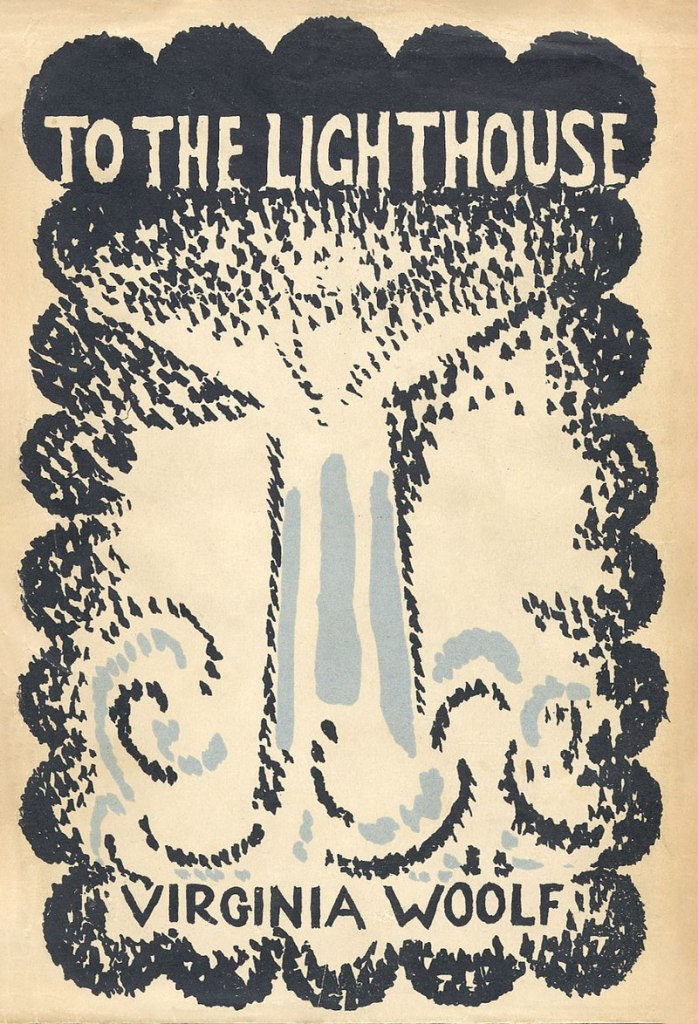
How odd when similar things happen with art works I’ve seen, heard or read many times before. Like Talk Talk’s Spirit of Eden album when I bought it on vinyl for the first time. But also Virginia Woolf’s To the Lighthouse, a novel I thought I knew well enough. Both hit me again recently, which made me feel quite emotional, too. Who knows, maybe I’m just going through a midlife crisis. (Ah, good. If I’m halfway through, I will apparently live to be 92.)
I read Woolf again to be able to better understand a book I was planning on reviewing before lockdown struck: Katherine Smyth’s All the Lives We Ever Lived: Seeking Solace in Virginia Woolf (2019), a memoir I was going to read alongside David James’s academic study of literary consolation, Discrepant Solace (2019). Smyth’s debut book tells the story of her life so far, from her Rhode Island childhood to the aftermath of the death of her alcoholic father. One of its key themes is the question how a favourite novel – To the Lighthouse – may provide the language for the often traumatic experiences Smyth describes, especially in relation to her father’s deterioration and later illness. Reflections on consolation establish a binding thread in a generically complex book, which calls for a closer look at Smyth’s quest for the consolation of literature with the help of David James’s state-of-the-art research.
Back to The Lighthouse
Set in the early-twentieth century, Woolf’s fifth novel tells the story of how the Ramsay family spend their holidays on the Isle of Skye, in the company of friends like painter Lily Briscoe and the young couple Paul Rayley and Minta Doyle. It begins with a scene in which Mr Ramsay berates his wife for promising James, their youngest son, a trip to the nearby lighthouse when the weather is making a turn for the worse. The Ramsays entertain their guests with dinner parties, among other things, but there are tensions between Mr and Mrs R. as well as between their friends. In the middle part of the novel, Mrs Ramsay and two of her eight children die, one as a casualty of the First World War. The concluding part, which takes place ten years after the first, sees the family reunite on Skye. James Ramsay gets to sail to the nearby lighthouse at last and Lily completes the painting she started in the novel’s early chapters.
While preparing my review of All the Lives We Ever Lived I was thinking if Smyth’s attraction to To the Lighthouse could be explained by its metafictionality, which might be of special interest to life-writers. From its opening pages onwards, the novel probes the nature of art itself – for example, in passages in which characters like Lily think about the capacity of painting to give access to “wisdom”, “knowledge”, “truth”, or a one-ness with others that is all communication-before-understanding. Lily is fascinated by Mrs Ramsay and how she appears to be at peace with her life despite a visibly tense marriage, the more so while many other people present wrestle with confinement in one way or another (Charles Tansley, an admirer of Mr Ramsay, tells her that women can’t paint). She hopes to capture in art what she “sees”, as she refers to it, while observing Mrs Ramsay, her family and their visitors: the “essence” of other human beings and their relations with each other.
Lily’s ruminations on painting resemble those of an author like Woolf herself. And it’s hard to escape the supposition that if she had been a writer of fiction she would have produced a book like To the Lighthouse, with its shifting perspectives and innovative use of focalization. In the novel, the Ramsays’ holiday home comes to life especially in chapters that describe how Mrs Ramsay experiences it inwardly (as in chapter 5 of “The Window”, the first part of the novel). How different this is in sections focalized around her husband’s consciousness: he is considering the Questions of Life, but he doesn’t really take notice of his wife, his children or much of the drama in which they’re all involved. Ironically, Mr Ramsay may be a celebrated “metaphysician” among his student-disciples, but he does not really think that deeply – unless he’s reflecting on Shakespeare, Thomas Carlyle or his own reputation. He doesn’t “see”, because he doesn’t feel, Lily would say. She understands that he’s “afraid to own his feelings” (50-1) for fear of being seen for what he probably is, a mediocre academic who hasn’t fulfilled the promise of his early career.
As an artist, Lily wishes she could be one with her subjects like you would if you loved them – thus, beyond the type of philosophizing that distracts Mr Ramsay from seeing life properly. She asks herself if “loving, as people called it, [could] make her and Mrs Ramsay one? for it was not knowledge but unity she desired, not inscriptions on tablets, nothing that could be written in any language known to men but intimacy itself, which is knowledge, she had thought, leaning her head against Mrs Ramsay’s knee” (57). She wonders if she’s in love with Mrs R. and if artistic vision could be as sharp as love, going straight to the essence of others without having to consult a Great Man or two first.
I can imagine why Smyth would be fascinated with To the Lighthouse. Of all of Woolf’s novels, it may also be my own favourite (ask me again tomorrow, however, and I might choose Orlando – no, Jacob’s Room). But I can also understand why a novel that thematizes the above would be the perfect main intertext of a solace-seeking memoir that inevitably struggles to find form for Smyth’s subject matter.
Discrepant Solace
Discrepant Solace (2019) by David James, an authority in the fields of the legacy of literary Modernism and “uplit”, presents the first in-depth analysis of “a peculiarly prevalent phenomenon for contemporary writing” (35): the way in which consolation “as an affective state [is] staged by the formal components of literary works themselves” (7). James is interested in how the forms of present-day novels and memoirs about painful life experiences force readers to examine solace without offering easy escape routes from those experiences through the aestheticizing of trauma. James argues that, in early-twenty-first-century fiction and life-writing, solace is actually “discrepant” and undeserving of the “hazy reputation” of consolation in art in general (9). The way in which “discrepant solace brings together narratives that twin the aesthetic conundrum surrounding how writing consoles with the ethical one of whether consolation is desirable at all” (7) is even more of an issue in memoir, James contends (7 and 10) – something to bear in mind while scrutinizing Smyth’s book. Historicizing the phenomenon in literature, he points to the “modernist genesis” of discrepant solace (51) and suggests that it’s tempting “to see the heightened reflexivity of [its] articulation as a recent strategy belonging to texts that are working through postmodernism’s numerous afterlives” (24). But more about that later…
To the Lighthouse is actually one of the first literary texts James discusses. His analysis of discrepant solace in Woolf prefaces a close reading of Ian McEwan’s more recent novel Atonement (2001), an example of a contemporary fiction processing the legacy of Modernism. He argues that the celebration of twentieth-century literary Modernism’s “criticality” (i.e. its power to unsettle and subvert) is rooted in criticism’s traditionally hostile view of literature as a medium of consolation. Arguments along these lines by, to name but a few, Herbert Marcuse, Neil Lazarus and Tyrus Miller, “rehearse the assumption that as soon as literature consoles it immediately compromises its own capacity for critique” (45). James warns against the type of binary thinking that sees “disconsolation” as “the only alternative to consolation” (45) and offers his detailed reading of To the Lighthouse as evidence of how Woolf “doesn’t treat consolation uncritically” (46). “For what we witness in To the Lighthouse”, he says, “is neither the outright refutation of solace with a force that ‘engenders disconsolation,’ in Lazarus’s phrase, nor a plea to transcend history’s harm through ‘the admirable design of words,’ to recall Miller’s” (47).
James writes that in Woolf’s novel style does not smooth over trauma and pain (for example, by providing comfort in the shape of a false sense of wholeness), but its restless syntax and rhythm do not combine to simply deny its readers the easy comfort of an aesthetically pleasing form either. As he shows, modernist writing like or inspired by Woolf’s rather forces its readers to reflect on the very nature of consolation as well as on the question how art may offer solace in the first place:
“the recognition (…) of consolation’s unsustainability is something [Woolf’s and McEwan’s] fictions transport in compelling forms that refuse to deliver the redemptions of pristine design. Only by this refusal, these novelists suggest, can literature articulate what [Philip] Tomlinson termed the ‘better-founded solace’ that comes (…) ‘from looking squarely at the worst’” (56).
The Novel and the Memoir
The paratexts of Smyth’s All the Lives We Ever Lived already signal the memoir’s reliance on earlier books: its main title is a phrase from a poem cited by Mr Ramsay in To the Lighthouse, while its dustjacket clearly references Vanessa Bell’s designs for the first editions of her sister’s novels and other writing. In addition, immediately after the dedication to her mother, Smyth includes a quote from Woolf’s novel as motto. Tellingly, it is a passage (from chapter 7, in the third part of the novel) in which Lily sees Mrs Ramsay disappear from view: “It was strange how clearly she saw her, stepping with her usual quickness across fields among whose folds, purplish and soft, among whose flowers, hyacinths or lilies, she vanished”.
In many other places, too, To the Lighthouse supplies Smyth with the language and form she needs to be able to write about her childhood and parents. In some cases, she literally lets Woolf’s characters speak for her, especially where she’s interpreting the meaning of things that happened to her in the past. Interestingly, Smyth quite often quotes Lily in these instances:
My father took the Laser [a sailing boat] on my return. He always left the basin, and sometimes I would stand on the float, still in my life jacket, watching the white sail grow fainter and fainter (“So much depends,” thinks Lily, watching from the lawn as the dull speck that is the Ramsay’s sailboat recedes into the bay, “upon distance”; so much depends upon “whether people are near us of far from us.”). (81)
Even as a child I had looked at this picture with interest, feeling a kind of condescending sorrow for the old man from my grandmother’s other life who had had the bad luck to die. (“Oh, the dead!” thinks Lily, “one pitied them, one brushed aside, one had even a little contempt for them.”). (116)
Woolf’s novel also hands Smyth frames with which to order her own experiences – most notably when it comes to her parents’ relationship. However, she does not schematically project the story of the Ramsays onto her own family’s situation. She reflects on the similarities between her parents’ marriage and that of the Ramsays, but she makes comparisons with that of Paul and Minta in other places as well. Mrs Ramsay features heavily in sections about Smyth’s relationship with her own mother, but when her father dies of cancer, he suddenly becomes the Mrs Ramsay of Smyth’s book. In this respect, All the Lives We Ever Lived is a challenging read: by continuously drawing attention to its form (including the ways in which it makes use of its intertextual relation with Woolf), the memoir highlights the complexity of seeking solace in literary writing.
Halfway through her book (in chapter 18), Smyth recognizes that her parents’ marriage can only be done justice in fiction, or in life-writing that takes a fictional text as its main frame of reference. As Smyth suggests but never explicitly states, the solace of fiction is not in the answers it offers to life’s biggest questions, but in the many perspectives on those it presents. Because fiction is inconclusive by nature, it can only ever be indirectly applicable to readers’ lives. Indeed, as All the Lives We Ever Lived so compellingly shows, a novel’s “indirection” allows readers to compare their own situations with those of fictional characters without offering definitive conclusions.
The same can be said for life-writing so inextricably linked with fiction, especially if it is fiction by Woolf, whose work, Smyth observes, “is characterized by inconclusiveness” (120). Reading Woolf helps Smyth understand that grief need not be what it is popularly understood to feel or look like (255). But the realization that solace may be “discrepant” might actually be consoling in itself:
“[T]here are… readers for whom Woolf’s nuanced portrayal of loss – which acknowledges the frustration, inconstancy, and even tedium of grief in addition to its horror – provides not just a welcome challenge to the prevailing wisdom but also a vital consolation” (255).
New Registers of Feeling and Thinking
What would David James make of All the Lives We Ever Lived, which, of course, documents another reader’s search for consolation in To the Lighthouse – precisely the kind of text he would have studied if he had focused on reader responses to discrepant solace in Woolfian modernist fiction? Its form might further complicate matters: combining autobiography, biography and literary criticism, Smyth’s memoir raises the question whose pain and redemption we’re talking about when discussing the work of consolation in literature. Is it the author’s, as is most likely in the case of a memoir (which is not to say, of course, that the fiction of To the Lighthouse may not be a processing Virginia Woolf’s own feelings of loss and mourning)? Or is it a fictional character’s, like Lily Briscoe trying to cope with the death of Mrs Ramsay in To the Lighthouse? What about readers who seek solace personally and perhaps identify with the suffering of the subjects of life-writing and fiction? A book about the solace of fiction like Smyth’s might console yet other readers. As Radhika Jones writes in her New York Times review of All the Lives We Ever Lived: “I suspect [Smyth’s] book could itself become solace for people navigating their way through the complexities of grief for their fallen idols”.
James’s book is an important publication, not only in the sense that he spends ample time on the intricate interplay of all of these levels of consolation, or because he connects at least three areas of research in refreshingly new ways: contemporary fiction, life-writing and the “post-postmodern”. He also convincingly shows how present-day literature’s discrepant solace finds a precedent in early-twentieth-century Modernism, thus enlarging our understanding of the extent to which contemporary, post-postmodern culture can be seen to work through the legacies of earlier aesthetic regimes and sensibilities. In fact, James’s perceptive analysis of contemporary literature’s exploration of misunderstood or less celebrated aspects of Modernism bears great significance for the discussion of what academics have labelled “Metamodernism”, the structure of feeling that is said to have replaced Postmodernism as a cultural dominant.
Like scholars working in that field, he acknowledges the emergence of new “registers of feeling” that “at once disobey the commodifying, banalizing logic of postmodern pastiche and contravene the equally flattening, bureaucratized logic of neoliberal rationality” (224). However, he refrains from using the “Metamodernism” term: “If the postmodern model no longer fits certain limbs of affective experience in literature now, then the understandable appetite for replacement labels seems less important than recognizing that writers’ unexpected kinships possess aesthetic, philosophical, and political valences that exceed compartmentalization” (224). Future research will shed more light on how the particular needs and concerns of early-twenty-first-century authors like Smyth inform their reinterpretations of twentieth-century Modernism and, so, give shape to post-millennial art and culture.
The Consolation of Inconclusiveness
All the Lives We Ever Lived is, then, as much a book about the consolation of literature as an example of a text that offers a version of solace itself. It’s certainly not an easy read, let alone a book that dispels trauma by turning a troubling life narrative into a perfectly formed, redemptive story. Indeed, as its subtitle indicates, it’s about Katherine Smyth seeking instead of finding solace. But precisely as a result, her memoir is an unforgettable reminder of the power of literature as a medium of discrepant solace. Reading it with David James’s main arguments in mind, I felt compelled to ask myself how books console me personally – a question that, post-lockdown, seems to increasingly occupy others as well (see, for example, Michael Ignatieff’s On Consolation: Finding Solace in Dark Times (2021), but also Laura de Jong’s 2023 series of author interviews about literary consolation for de Volkskrant newspaper).
Of course, I’m a different To the Lighthouse reader than both Smyth and James, but it could very well be that the new impression the novel’s made on me is, in fact, related to the solace issue that James so insightfully analyzes. I certainly find hope in the potential of both fiction and life-writing to continuously generate alternative meanings and acquire new relevance to readers already familiar with certain texts. Their lack of wholeness, closure or soothing answers to unsettling questions holds a promise (i.e. of future meaning and relevance), which also positively affects my experience of reality. Because even when its promise may never be fulfilled, literature encourages me to imagine real life as something that can and always will evolve. Thanks to great books like Woolf’s, I now see the world around me as inconclusive in the most optimistic sense of the word. And after reading Smyth and James, I’d like to think that if fiction has any responsibility towards reality, it’s not to faithfully represent what already is, but to show what could also be. Literature will always keep communicating, and there is real solace in that kind of generosity. Or that’s what I think. And if I’m wrong, I have at least another 46 years to find out.
Works Cited
James, David. Discrepant Solace: Contemporary Literature and the Work of Consolation. Oxford UP, 2019.
Over the past months, I have visited practically every building on campus. Following up on the university’s motto ‘You Have a Part to Play’, we are working with students and teachers from all bachelor’s programmes at Radboud University to embed the concept of ‘Higher Education for Sustainable Development’ (HESD) in our teaching. Education for Sustainable Development differs from Education in Sustainable Development in that it is not focused on knowledge of sustainable practices or the scientific analysis of, e.g., climate change. Instead, HESD looks at what students need to be able to do (rather than know) in the face of the global crises we are facing. This is a question where notions like empathy, complexity, and future thinking come to hold centre stage.
Helping students to become the change agents our planet needs, as psychologists, historians, linguists, biologists, or – why not? – cultural scholars, brings us to the most important question of all: what are we teaching for? You will not be more equipped to face the future by knowing all the intricacies of whichever aspect of French Theory you have not yet learned by heart in your Cultural Theory course. Rather, you need to be able to use this theoretical knowledge as well as your skills in analysing films, music, literature, and theatre to make the kind of contribution to the global challenges we are facing, humans and more-than-humans alike.
The great news is that you (and you, and you, and the ones behind you who dare not raise their hand) are perfectly able to make that contribution, to be that change agent. This is what we learn in every discussion we have with teachers and students across campus. For many, this comes as a surprise, as they associated sustainability only with ‘green’ sustainability, and with knowledge of, instead of skills for sustainability at that. Sustainability, however, is far more than that. If you look at the UN’s Sustainable Development Goals, you will see that they include Gender Equality, Sustainable Cities and Communities, and Reduced Inequalities. And you must realise that these goals are strongly interconnected: we cannot combat climate change if we fail to improve the level of education globally, for instance. Despite the impending gloom, this is a hopeful message: students in cultural studies have a vital part to play!
An important element in building (hope for) a better future are imaginaries. We, as uniquely among the other living and non-living actors of this world, are able to imagine utopian futures that help humanity to see beyond the doom, gloom, and despair of climate reports and the everyday news. This is precisely what we are discussing every time when we meet with students and teachers from one of the 38 (!) bachelor’s programmes at Radboud University. So: stand up straight, be proud, and make your contribution.
In conclusion, coming back to where I started (which is always a good idea): we are walking new pathways across campus, entering buildings where we sometimes feel we are not even allowed to enter, yet being welcomed by kind colleagues. Talking with them on the backdrop of self-made bookshelves and more-than-man-high piles of crates from Albert Heijn deliveries, in rooms that sometimes do not appear on the maps of the buildings we are in. Our campus is an ecology. In other words: we are enjoying ourselves to the max, especially when we ask our students and colleagues the question: what is it you are studying for?
Please do not hesitate to send us your questions and reflections!
Vorig jaar schreef ik voor Culture Weekly een blog over mijn bezoek aan het Marius van Dokkum museum in Harderwijk, waarbij ik mezelf betrapte op een nogal snobistische houding ten opzichte van zijn kunst: Van Dokkum was een sellout en niet het soort kunstenaar waar ik als cultuurwetenschapper van zou moeten houden. Afgelopen meivakantie deed ik echter iets waar ik me als cultuurwetenschapper nog veel meer voor schaamde. Ik ging op vakantie naar Egypte en zag daar niet één piramide en bezocht geen enkel museum. Tien dagen lang vertoefde ik op een resort in toeristenstad Hurghada. Aan de Rode Zee, maar voornamelijk met cocktails aan het zwembad.
Tot een paar weken voor mijn vakantie vertelde ik bijna niemand erover, bang voor oordelen over mijn milieuvervuilende vliegreis en het gebrek aan culturele en intellectuele diepgang in mijn zon-zee-strandvakantie. En weer kwam de gedachte in me op: mag ik dit als cultuurwetenschapper eigenlijk wel doen? En vooral: mag ik het ook leuk vinden? Is het wel oké als ik naast een mooie roman ook de Linda en &C meeneem om al dobberend op mijn plastic opblaaszwemband te lezen? Ben ik dan wel een goede cultuurwetenschapper?
Naarmate de reis dichterbij kwam zette ik me langzaam maar zeker over mijn schaamte heen. Ik opende ook mijn ogen voor wat ik allemaal wél zou kunnen zien in Egypte. Cultuur zit immers niet alleen verborgen achter theaterdoeken en museummuren. Daarom in dit artikel drie typische ACW-inzichten die ik had in Hurghada.
De resorts in Hurghada waren één grote oriëntalistische fantasie – hoewel die van ons nog meeviel. In de bus vanaf het vliegveld kwamen we onder andere langs Ali Baba Palace, Alladin Beach Resort en allerlei andere parken die leken op een magisch paleis waar alles mogelijk is. Alle gouden daken en grootse fonteinen stonden overigens in scherp contrast met het ‘echte’ Hurghada, dat voornamelijk bestond uit halfafgemaakte gebouwen, armoedig uitziende restaurantjes en witverlichte winkeltjes.
Dat ik als westerse toerist wellicht maar weinig van het echte Egypte zou zien, werd me bovendien pijnlijk duidelijk toen ik op het balkon van onze hotelkamer genoot van het uitzicht. Het was prachtig, maar wel een uitzicht dat volledig voor mij als toerist is geconstrueerd. Een vakantie in een resort is toch een soort leven in een simulacrum: je waant je in een stad, maar eigenlijk kijk je vooral naar appartementencomplexen met daarin mede-vakantiegangers. En zag ik daar in de verte nou een oude moskee, of gewoon de top van Jasmine Palace Resort? Ik zou het je echt niet kunnen vertellen.
Het derde dat me de hele vakantie bleef opvallen, waren de imagined communities en bijbehorende wij/zij-denken. Ik verbaasde me vooral over de snelheid waarmee ik me onderdeel voelde van een groep. Niet alleen met de andere Nederlandse toeristen die mee gingen op ons duik- en snorkeluitje, maar ook met de toeristen die voor ‘ons’ resort hadden gekozen tegenover al die andere hotels in de omgeving. Ik vormde een community met de vakantiegangers die meededen aan de redelijk teleurstellende aquagym en bestempelde de mensen die op hun ligbedjes bleven liggen als ‘de Ander’. De Egyptische proppers die je voortdurend allerlei boottochtjes, massages, fotoshoots en kameelritjes kwamen aansmeren speelden overigens slim in op dit principe door (vooral mannelijke) toeristen voortdurend aan te spreken met “my friend”, waarna ze je een “special price” aanboden om die vriendschap mee te verzilveren.
Deze vakantie leerde ik twee dingen. 1. De cultuurwetenschapper in mij verdwijnt niet ineens in een all-inclusivehotel en 2. Het is ook heel goed om te ontspannen, ook als dat met de Linda is.
Vorig jaar verhuisde ik met mijn gezin van Nijmegen-West naar Nijmegen-Noord, van een huis dichtbij het stadscentrum naar een iets groter huis met uitzicht op een uiterwaarde van de Waal. We wonen iets meer buitenaf, we horen ’s avonds het geluid van eenden die overvliegen, en ’s zomers zwemmen we voor ons huis. Ook al wonen we op fietsafstand van de stad, toch voelt het alsof we ons ons heil elders hebben gevonden.
Rivka Schaap en Esse Lukassen, de twee hoofdpersonages van Nina Polaks Buitenleven (2022), maken het al helemaal bont. Die verhuizen van Amsterdam naar Onderweer, een onherbergzaam dorp ‘in het noorden, waar je op goede dagen de zee rook’. Hoewel het een fictief dorp is, weet je meteen waar Polak het over heeft. Niet per se omdat je er zelf wel eens geweest bent (zou kunnen), maar eerder omdat je er andere mensen over hebt horen fantaseren (zeer zeker). Het geromantiseerde beeld van het platteland als vrijhaven, als kibboets, als een plek waar we van nature meer op onze plek zijn, ligt aan de basis van het internetfenomeen cottage core: influencers (zoals de familie Boomsma) die het platteland op aantrekkelijke, bijna nostalgische wijze verbeelden via vlogs en Instagram-posts. Op hun spaarzame, tuinloze vierkante meters verlekkeren stedelingen zich aan de belofte die daarin verscholen ligt: dat het anders kan. Dat het mogelijk is om terug te keren naar een plek die niet geperverteerd is door de narigheden van het moderne leven, waar we met onze handen door de aarde kunnen woelen en onze eigen groenten kunnen oogsten. Met de blote voeten contact maken met Moeder Aarde. Terugkeren naar wat natuurlijk is.
De hamvraag is dan echter: wat is natuurlijk en wie bepaalt dat? Op een oppervlakkig niveau lijkt een leven op een erf met dieren en een moestuin natuurlijker dan leven op een flatje in een drukke stad met Ubers en flitsbezorgers. Op dat erf voel je tenminste die wind nog door je haren, en sta je in directer contact met dat wat je – fysiek en spiritueel – voedt. In tweede (en derde en vierde) instantie is het onderscheid tussen natuurlijk en kunstmatig, echt en nep, goed en slecht, zo flinterdun dat er weinig meer van overblijft. De kracht van Polaks derde roman ligt onder andere in een heel genuanceerde reflectie op de paradoxen van de moderne natuurlijkheidcultus. We verlangen naar het natuurlijke, maar weten eigenlijk niet goed wat dat betekent.
Idealen onder spanning
Buitenleven begint met een mysterieuze proloog waaruit onheil spreekt. We treffen Rivka – ‘Een vrouw van vijfendertig, alleen, iets beklagenswaardigers kon de buitenwereld zich blijkbaar niet indenken’ – aan als kluizenaar in een vervuild appartement in ‘een vissig bachanaal van zelfhaat’. Haar bezorgde vader belt aan en wordt weggestuurd. Veel blijft onduidelijk, maar zeker is dat haar relatie met Esse verbroken is en dat het nodig is om een advocaat ergens voor in te schakelen. Een beetje thriller-achtig – niet bepaald een genre dat we associëren met Polaks eerdere experimentele roman We zullen niet te pletter slaan (2014) en haar intelligente Gebrek is een groot woord (2018) (waarover gesproken wordt in deze podcastaflevering van De Reactor).
Met deze proloog roept Polak een spanning op die de hele roman aanwezig blijft. Het contrast met het eerste hoofdstuk na de proloog kan niet groter zijn. Rivka en Esse ontwaken in hun ‘karakteristieke woonhuis uit 1900’ in Onderweer: ‘Toen de hond begon te piepen, liepen ze met koffie de tuin in, die al zonnig was en rook naar grond. Rivka dacht het bij Esse te herkennen: de euforie van iets zaligs en nieuws.’ Als we niet al wisten dat dit helemaal verkeerd zou aflopen, hadden we ongestoord kunnen genieten van dit idyllische beeld. Maar door de flashforward aan het begin voorvoelen we de valse belofte die spreekt uit de nadrukkelijke natuursymboliek, die als een rode draad door de roman loopt. Walden (1854) van Henry David Thoreau wordt cadeau gedaan, waarschijnlijk het meest beeldbepalende boek over een leven in de natuur ver weg van de maatschappij. Het clichématige van die verwijzing dient een doel: het benadrukt het imaginaire, illusoire, fictieve van de belofte die Rivka en Esse naar Onderweer hebben geleid. Hun verhuizing naar het ‘knollenveld’ is onderdeel van een lange traditie, een genre, waarvan Thoreau, en ook Rousseau, Augustinus, John Muir en Annie Dillard bekende vertegenwoordigers zijn.
Het is niet dat Rivka en Esse zich niet bewust zijn van die traditie, van de romantiek en het (naïeve) idealisme van hun verhuizing. Vooral Rivka, de meer intellectuele en ook cynische van de twee, blinkt uit in metacommentaar op deze hele exercitie (‘Ze zag best in dat haar beeld van tuinieren romantisch was’). Van het begin af aan wordt duidelijk dat zij, anders dan Esse, niet zomaar kan samenvallen met die nieuwe omgeving. Als schrijver blijft ze teveel in haar hoofd, en kan ze moeilijk zoals Esse, de basketbaldocente, ook lichaam zijn. De afstand tussen Rivka en Esse wordt gedurende de roman steeds groter, totdat ze uiteindelijk onoverbrugbaar blijkt. Aan de hand van zijdelingse, bijna terloopse opmerkingen over de mentale gezondheid van Esse en daarmee samenhangende conflicten uit het verleden worden de barsten in dat idyllische beeld steeds zichtbaarder. Totdat het breekt en in duizend stukken uiteen valt.
Voorbij de vooroordelen
Het meest prikkelende van deze roman is dat die breuk niet enkel veroorzaakt wordt door de problemen die Rivka en Esse met elkaar hebben. Dat zou te particulier zijn, teveel Saskia Noort en te weinig Nina Polak. De barsten in dat idyllische beeld van de eerste bladzijden ontstaan vooral door een reeks politieke tegenstellingen die Polak op de voor haar kenmerkende wijze door de roman heen weeft. Wat haar vorige roman Gebrek is een groot woord zo goed maakt, is de manier waarop de onderlinge verhoudingen tussen haar personages exemplarisch zijn voor bredere machtsstructuren (met name sociale klasse). Ook in Buitenleven staan de personages voor iets groters. Zo is er Eva Alta, psychiater en zelfhulpgoeroe, die met haar ‘psychiatrische kibboets’ in Onderweer het ideaal van maakbaarheid vertegenwoordigt. Dan is er Kaj Antonisse, ciderboer, het prototype randstedeling wiens leven op het platteland een ‘tot leven gekomen Instagram-post’ is geworden. En Sibolt Budding is er ook, een intellectuele boerenjongen, die graag naar de stad wil, maar zich verantwoordelijk voelt voor het familiebedrijf. En zijn jongere broertje Beer, het interessantste personage: een stugge boerenjongen van weinige woorden, waarvan vermoed wordt dat hij achter het homofobe vandalisme zit op het terrein van Eva Alta – maar dat blijkt anders te zitten.
De drijvende kracht van dit verhaal het conflict tussen een randstedelijke, progressieve ideologie enerzijds en een rurale, conservatieve ideologie anderzijds. Die tegenstelling is onvermijdelijk schematisch, maar het is Polak gelukt om zwart-wit-denken hierover te vermijden. Op het eerste gezicht is er geen groter verschil tussen iemand als Eva Alta, de rijke en beroemde psychiater die op haar landgoed mensen uit de havermelk-elite van spiritueel advies voorziet en een vrijblijvend soort terug-naar-de-natuur-filosofie predikt, en iemand als Beer, voor wie het boerenleven het enige leven is dat hij kent en die beïnvloed wordt door jongens op trekkers met omgekeerde Nederlandse vlaggen. Alles is echter complexer dan het lijkt en niemand is slechts één ding, zo suggereert Polak.
Hoewel sommige personages wat eendimensionaal zijn (Kaj bijvoorbeeld), maakt Polak van haar personages geen karikaturen. Dat komt het sterkst tot uiting in de interesse die Rivka opvat voor de ondoordringbare Beer. Als Polak een andere schrijver was geweest, en Buitenleven een andere roman, dan was Beer een stereotype boerenjongen geworden die achter de aanslagen op Eva Alta zou hebben gezeten. Hij zou worden geassocieerd met Farmers Defence Force, Forum voor Democratie, klimaatontkenning, conspiracy culture, en misschien zelfs antisemitisme (de suggestie wordt gewekt dat Rivka’s joodse achtergrond met de aanslagen te maken hebben). Maar zo is Polak niet: ‘Wie is Beer? was de meest grondige en oprechte vraag die de afgelopen tijd tot [Rivka’s, RS] denken was doorgedrongen.’ Rivka’s interesse in Beer doorbreekt haar writer’s block; de nieuwsgierigheid blijkt een uitweg uit haar cynisme. Op abstracter niveau is de suggestie: het is makkelijk om vanuit je eigen, bevooroordeelde perspectief cynisch te zijn over alles wat je niet kent, maar de sleutel ligt in een empathisch begrip voor de Ander, ook al is dat iemand die alles vertegenwoordigt waar jij niet voor staat. Tegelijkertijd toont Polak dat empatisch zijn ingewikkkeld is en dat onbegrip voor het andere perspectief vaak de standaardhouding is.
Voorbij het cynisme
Hoewel Buitenleven het meest plotgedreven verhaal is dat Polak schreef, vindt de ontknoping ervan niet plaats op het niveau van gebeurtenissen, maar via een psychoanalyse van Rivka’s problemen. Ja, we komen erachter dat niet Beer, maar iemand anders achter de aanslagen zat, maar veel interessanter is hoe Rivka uiteindelijk haar impasse doorbreekt en vrede vindt met alles wat er gebeurt is in Onderweer. Haar relatie met Esse is verbroken, wisten we al uit de proloog, en dat heeft voor een groot deel te maken met haar cynisme – haar onvermogen om het goede in de Ander te zien. In de epiloog maakt Rivka een ommezwaai van heb ik jou daar.
Hoe erg Rivka zich ook in Onderweer verzet tegen de belofte van zelfhulp die Eva Alta vertegenwoordigt (waar Esse wel gevoelig voor is), en hoezeer ze labels als ‘trauma’ en ‘depressie’ ook probeert te weren uit haar leven, haar redding vindt ze uiteindelijk precies in die zelfhulp. Met behulp van ‘een meditatieapp’ omarmt ze het lijden dat ieder mensenleven kenmerkt. Door in te zien dat we één zijn in dat lijden en niet samenvallen met de identiteiten die we ons aanmeten, komt ze voorbij haar cynisme. Dat inzicht communiceert Polak met een sterk beeld, dat kenmerkend is voor de subtiele, maar krachtige manier waarop ze in Buitenleven voorbij de stereotypen en de vooroordelen probeert te komen:
Op het aanrecht stond een fles rode wijn. Ze [Rivka, RS] haalde een wit tafellaken uit een tas met boodschappen die haar moeder de vorige dag was komen brengen. Het laken was gestreken, gesteven misschien zelfs. Alleen Titia kreeg het voor elkaar om haar gedeprimeerde dochter een wit gesteven tafellaken te komen brengen. Rivka had dat belachelijk en ongevoelig kunnen vinden, maar ze begreep het ineens. Ze ruimde de tafel af en dekte die met het laken, zodat hij wit en schoon was. De fles wijn zette ze erop.
Deze bijdrage verscheen eerder op De Reactor: Vlaams-Nederlands Platform voor Literatuurkritiek.
Lecturer Anna Geurts and research master’s student Adil Boughlala reflect on the recent Creative Culture Talk they hosted at film theatre LUX, titled When Art Offers Space for Community. This talk was in conversation with researcher Nikita Krouwel of The Black Archives, musician k.Chi” and dancer Neema Souare of hip-hop platform The Mansion, and cultural producer Marischka Verbeek, owner of the first Dutch feminist bookshop Savannah Bay.Their guests work at some of the most important art and heritage spaces for/by/about marginalised groups in the Netherlands. Do they aspire for their art or collections to be mainstreamed?
When someone starts a small art or heritage organisation, others may think that their aim is to grow bigger and more well-known. They are expected to start off by selling one kind of book, staging one kind of music, or collecting objects created by one group of people, only in order to become mainstream in the future. They are expected to want to have more stages and welcome more guests. To want their initiative to be included in more widely known festivals. To want their minority art to be recognised as important by mainstream media, and, next, to be acquired by national museums or archives.
But perhaps this is only what the mainstream thinks?
Specialised spaces
Recently, we – a student and teacher interested in sustainable art and spatiality – led a public conversation among a small group of people working at three very different art and heritage organisations in the Netherlands. This group included the owner of a bookshop, a researcher at an archive, and a dancer and a musician at a hip-hop centre. As diverse as this group was, they also had something important in common. Each of their spaces was founded with the intention of offering a place for heritage and art objects originating in a specific marginalised group and is run by people of the same group, following the logic “for us, by us, about us” – even if others are very welcome, too.
Savannah Bay started as a women’s bookshop, selling books by and about women – with attention to other, intersecting oppressed groups – and was directed and staffed by women as well. While the shop has become more gender-inclusive over the years, it remains true to its intersectional-feminist origins.
The Black Archives house books, letters, research papers, and other objects collected by Black intellectuals and families in the Netherlands, and is run by Black archivists, curators, and organisers, with their primary target groups being Black school children and Black citizens in the Netherlands.
Hip-hop platform The Mansion was founded to encourage talented young people in the east of the Netherlands, coach them and keep them “off the street”. They are coached mostly by people who are young themselves, and active in the hip-hop scene. The coaches and organisers support each other as well so that in effect, there are no strict role demarcations. Everyone can help anyone, and anyone can start a new initiative.
In the conversation that these three organisations had, and in the lead-up when we visited them in their different locations across the country, we learnt many things about the significance of art and heritage for oppressed groups. For instance, how art and heritage can teach and comfort us, and make change possible. We learnt about the importance of having a place of our own. And, most pertinent to this article, we learnt about the internal and external struggles in the face of that eternal question: why did you create a special place for your art? Why are you separating yourself from the rest? Why are you not part of “general” art and of the “national” collections? All three places taught us something about this struggle.
Savannah Bay
In one sense, Savannah Bay did take a leap towards the mainstream in 1997, when it formally turned from a “women’s bookshop” into a “bookshop”. When this happened, some of its most loyal customers were afraid it had lost its special character. However, it kept its intersectional-feminist spirit. When entering the store, the first things Adil expected were women’s literature and trans and queer literature. Yet, right at the entrance, he was met with climate literature and books on Black and indigenous culture (the latter of which are not new, by the way). While including an ever-widening selection of works by, for, and about different groups, the shop still works hard to spotlight marginalised authors and themes to its audiences. It still sells books that you wouldn’t find in most physical bookshops.
Image 1. Bookshop Savannah Bay in Utrecht
There is another way in which Savannah Bay embraces its special position. During the evening at LUX, owner Marischka Verbeek was opposed to franchising: the bookshop works because of its rich history within the city and its close connection with its visitors. Black Archives researcher Nikita Krouwel chimed in on this, pointing out that each city has its own culture. Whether you run an archive, a bookshop, or a hip-hop platform, each city has its wants and needs, and a formula that works in Utrecht does not automatically work in Amsterdam or Nijmegen.
Finally, many heritage and art organisations depend on subsidies from municipalities and other government organisations. Without their financial support, these spaces would have to close, something which the bookshop has also almost experienced before. Despite that, Marischka Verbeek is a firm believer that the bookshop – and art and heritage organisations by/for/about marginalised groups in general – should be able to persevere without this financial support. This has everything to do with Dutch political history of the past few decades. After a period of governmental interest in gender emancipation, fuelled by the 1975 UN Women’s Year, funding for emancipatory non-profit organisations all but disappeared. Marischka Verbeek called this “the feminist winter”. She saw first-hand how women’s organisations in Utrecht that received funding from non- and anti-feminist administrators were nudged into a shared building, which was then used as a reason to decrease their funding and which, eventually, led to the disappearance of most of these organisations. While Savannah Bay remained in its place, it, too, was impacted negatively because of its dependence on these organisations as customers. In order to become and remain a physical space for individuals to connect, therefore, it is important to guard your financial independence. And so, the activities organised by the bookshop are not aimed at selling more books, but rather the other way around: books are sold so that these activities can be organised.
The Black Archives
As this suggests, one problem faced by small art spaces is their lack of resources, such as paid and trained staff, climate-controlled rooms, and digitisation facilities. This problem could be solved by merging with bigger institutions. However, merging always means submerging. In our conversations with The Black Archives, they explained that if they deposited their collections at a national archive, these would become harder to find for visitors interested in Black heritage. The collections would drown in the masses of material, not only because a national archive stores so many collections, but, more importantly, because those people managing European national archives have never been very good at constructing finding aids and key words relevant to Black cultures. Their visitors would moreover miss the guidance from collection specialists and the intellectual and emotional support that can only be offered by visitors or staff with similar experiences of racism and a history of (forced) migration. At the current Black Archives, archivists can sit down with a group of visitors, go through the items most relevant to them, and retrieve further histories through personal story-telling. In contrast, a national archive in a white-dominated country like the Netherlands may be a hostile environment where you rather not set foot at all. Lastly, part of the magic of this archive lies in what it has collected, literally. Different types of materials, such as books, posters, and music records, can be found together in one room because they used to belong to one person. This tells valuable things about the life of that person. In a national archive, those materials might become scattered and the collection as a collection may lose its meaning. All in all, a specialist archive that is mainstreamed does not only win a few things, but it also loses a lot.
Image 2. The Black Archives in Amsterdam
The Mansion
The thriving of these organisations does not only depend on the safeguarding of a space of one’s own. At first, Anna thought, after browsing the online presence of The Mansion, that their wish was for hip-hop to be heard and seen primarily in club spaces, and that therefore they choose to organise their events on the floors of a skatepark, where the difference between performers and audience is blurred; where anyone can join the jam or a spontaneous battle; and where visitors are allowed to make noise, walk in and out, or bring a drink. Yet when Anna asked the organisers of The Mansion about this, a second story surfaced. There seemed to be a certain sadness or dismay at the idea that hip-hop “belongs” in the “street” and only in the street. After all, why wouldn’t hip-hop audiences, too, want to sit in plush chairs in a heated room, where the equipment is impeccable, you can hear every vibration, and see every blink of a performer’s eye?
Image 3. Hip-hop platform The Mansion in Nijmegen
Does this mean that hip-hop should merge with the mainstream, after all? Should its content, makers, and audiences become indistinguishable from other art forms? Not necessarily. Rather, it means that hip-hop should get access to the better-funded spaces that are currently run by people who are not so into hip-hop. And it means that in those spaces, hip-hop artists should not only be invited as guests (let alone as “the diverse guest”), but as programmers, producers, and managers who, through their expertise, will be able to present the full width of dance and music styles.
We hope that the evening at LUX and this subsequent article have inspired people to visit these three spaces. What’s more, we hope they encourage people to seek out other art and heritage spaces by, for, and about marginalised groups, or even create their own.
The people in the conversation were Marischka Verbeek of Savannah Bay, Nikita Krouwel of The Black Archives, and Kachi Yip (k.Chi”) and Neema Souare of The Mansion. We also learnt from their colleagues Roche Nieuwendam, Debora Heijne, Mich Fesenmeier, Deveney Eeltink, Mira Bruggeman, Steve Baptist, Isabelle Britto, Camille Parker, andSavitri van der Velden, and postgraduate researcher Merel Van Bommel, as well as from several of the books Marischka Verbeek listedhere. The wording of the ideas in this article, however, including potential mistakes, is completely our own. The evening was produced in collaboration with Pim van Dijk and Leoni Bolleboom of LUX. The Creative Culture Talks are a series by Helleke van den Braber of Radboud University’s Art and Culture Studies.Photos: Adil Boughlala and Anna Geurts.
Zo nu en dan – als mijn trieste studentenportemonneetje het toelaat – bezoek ik een dansvoorstelling, meestal in de stadsschouwburg in Arnhem. Daar zag ik voor het eerst een choreografie van Jiří Kylián – ik was meteen verkocht. Toen ik erachter kwam dat er een speciale voorstelling zou plaatsvinden ter ere van Kyliáns vijfenzeventigste verjaardag, heb ik me gehaast om kaartjes te kopen. Net op tijd, het was namelijk overal uitverkocht. Op 30 november reisde ik af naar de stadsschouwburg in Tilburg om het spektakel Celebrating an evening with Jiří Kylián!, uitgevoerd door Nederlands Dans Theater 1 (NDT1) te aanschouwen. Door lef te tonen zorgde Kylián ervoor dat het niet zomaar een dansvoorstelling was, maar een fenomenale ervaring.
Misschien ben ik lichtelijk bevooroordeeld, maar Kylián máákt je bevooroordeeld (daar kan ik echt niks aan doen). Kylián is afkomstig uit Tsjechië en oorspronkelijk danser, maar vanaf 1976 was hij jarenlang de artistiek directeur van NDT. Daarom is het extra bijzonder dat ‘zijn’ NDT nu deze voorstelling (voortreffelijk) uitvoert. Zijn kenmerkende stijl – duister, hoekig, contrasterend – is uiterst uniek en bijzonder prachtig.
Het contrast met andere choreografen is groot. Kylián is niet minimalistisch en harmonieus zoals Lucinda Childs, maar juist asymmetrisch en bombastisch. Met de expressieve en explosieve Sidi Larbi Cherkaoui zit zeker overlap, maar Kylián gaat een stap verder door zijn vloeiende vormen om te buigen naar houterige, pijnlijke bewegingen. Ook met Manuel Vignouelle’s diep emotionele dansen zijn overeenkomsten te vinden. Echter uit zich dit bij Vignouelle eerder in een soort oerkracht terwijl Kylián het persoonlijk en kwetsbaar weet te maken. Het grootste verschil tussen Kylián en al deze choreografen: met zijn “lelijke” vormen is hij het zwarte schaap, en die zwarte wol staat hem bijzonder goed.
De eerste choreografie van de avond was Tar and Feathers, gebaseerd opeen middeleeuws strafritueel waarbij iemand wordt overgoten door zwarte teer en bedekt met veren. Waar de meeste choreografen zich laten inspireren door poëtische, lieflijke concepten heeft Kylián het lef om luguber te zijn. Héérlijk. De toeschouwer wordt geconfronteerd met afschuwelijke geluiden (krakende botten, woeste honden) en heftige, bijna enge bewegingen.
Het strafritueel gebruikt Kylián als metafoor voor de “ondraaglijke lichtheid” (veren) en het “ondraaglijke gewicht” (teer) in het menselijk leven. De “ondraaglijke lichtheid” wordt in de choreografie treffend uitgebeeld door vloeiende, spartelende bewegingen, afgewisseld met complete stilstand waarbij dansers worden opgetild alsof ze (zo licht als) een veertje zijn. De “ondraaglijke zwaarte” wordt gedurfd uitgebeeld door hoekige, pijnlijke, wrange bewegingen, die bijna doen denken aan een exorcisme in een horrorfilm. Mijn morbide hartje slaat een slag over.
Na deze choreografie was er pauze en een kort intermezzo waarbij twee glazen kisten met een naakte man en een naakte vrouw in de lucht hingen: eveneens een gewaagde keuze. Het zorgde voor een verrukkelijk vervreemdend effect, terwijl de dansers op het podium aan het oefenen waren. Je zou als toeschouwer inderdaad bijna vergeten dat de dansers echte mensen zijn, dus dit was een welkome reminder. Én een gedurfde reminder: Kylián en de dansers laten imperfectie zien in een voorstelling waar de kijker perfectie verwacht.
Daarna begon de tweede choreografie: Bella Figura. Kylián heeft zich enerzijds laten inspireren door de concepten sensualiteit en esthetiek. Anderzijds liet hij zich inspireren door de veerkracht van mensen in moeilijke tijden: putting on a brave face. Bij deze choreografie heeft Kylián ervoor gekozen om de dansers met ontbloot bovenlichaam te laten dansen – óók de vrouwen. Weer laat Kylián zien dat hij niet terugdeinst voor onconventionele keuzes, al doet het publiek dat aanvankelijk wel. Als de dans begint met een halfnaakte danseres, is het publiek naast mij in shock: “Dat zou ik nou weer niet doen” en “hadden ze daar niks voor kunnen plakken”. OK boomer.
Ik moet eerlijk toegeven dat het in het begin wat afleidend was, maar het wende snel en uiteindelijk zag je de intimiteit en kwetsbaarheid van deze dans; het had iets puurs dat me wist te raken in mijn diepste wezen. Kylián durft zich kwetsbaar op te stellen en dat komt aan bij de kijker. Deze puurheid contrasteert Kylián met chique horror en grote gebaren: koninklijke rode rokken en korsetten, enorme zwarte doeken, vúúr (ik was lichtelijk gestresst dat de schouwburg zou afbranden). Kylián is zeker niet bang om een statement te maken en toont ook hier bravoure.
De laatste choreografie van de avond was Gods and Dogs. Voor deze dans heeft Kylián inspiratie gevonden in de concepten normaliteit, krankzinnigheid en het onvoltooide. Daarnaast speelt ook kwetsbaarheid een grote rol volgens Kylián: “we have to dress our wounds of life (mental or physical)” en “the clothes […] reveal to everybody, that we are vulnerable, so we are actually an easy prey.” Kylián schrijft uitgebreid over het fysieke én mentale welzijn als inspiratie voor deze choreografie, thema’s die in de huidige samenleving bijzonder actueel zijn. Actueel én gewaagd, want wie durft er in deze picture-perfect maatschappij nou eigenlijk écht voor zijn problemen uit te komen?
Kylián zorgt weer voor interessante contrasten in deze dans. Hij durft af te wisselen en laat de kijker zien dat morbiditeit en kalmte prima samen kunnen gaan. Enerzijds zijn er weer volop lugubere elementen. Een danseres klimt dierlijk de trap af richting het publiek; de muziek is macaber en heeft veel scherpe klanken; er zijn harde schaduwen. Er hangt een dreigende sfeer in de lucht die de kijker op het puntje van zijn stoel houdt. Anderzijds is er ruimte voor vloeibare bewegingen, rust, stilstand. Hiermee kan de kijker even op adem komen.
Ergens halverwege de dans introduceert Kylián een gigantisch gouden gordijn bestaande uit losse metalen touwen: ook grote gebaren schuwt hij niet. Het is een prachtig decorstuk dat meebeweegt met de dans als een gouden regen. De dansers verschuilen zich erachter maar worden er ook door overspoeld; op een gegeven moment zwenkt het gordijn ruw heen en weer en de lichtprojecties maken wilde patronen. Kylián durft de strijd aan te gaan met grote decorstukken, en laat zien dat hij ze nog steeds de baas is.
Deze jubileumvoorstelling bewijst waarom Kylián het publiek blijft betoveren: hij dúrft. Hij dúrft de zwarte randjes op te zoeken; hij dúrft zich kwetsbaar op te stellen; hij dúrft lelijk te zijn. Met zijn indrukwekkende stijl weet hij de toeschouwer te raken en een spiegel voor te houden: hij kleedt en ontkleedt jouw wonden. Dat voel je in je diepste wezen, en daar kan ik alleen maar voor applaudisseren. Daar was het publiek het kennelijk mee eens; er volgde een staande ovatie.