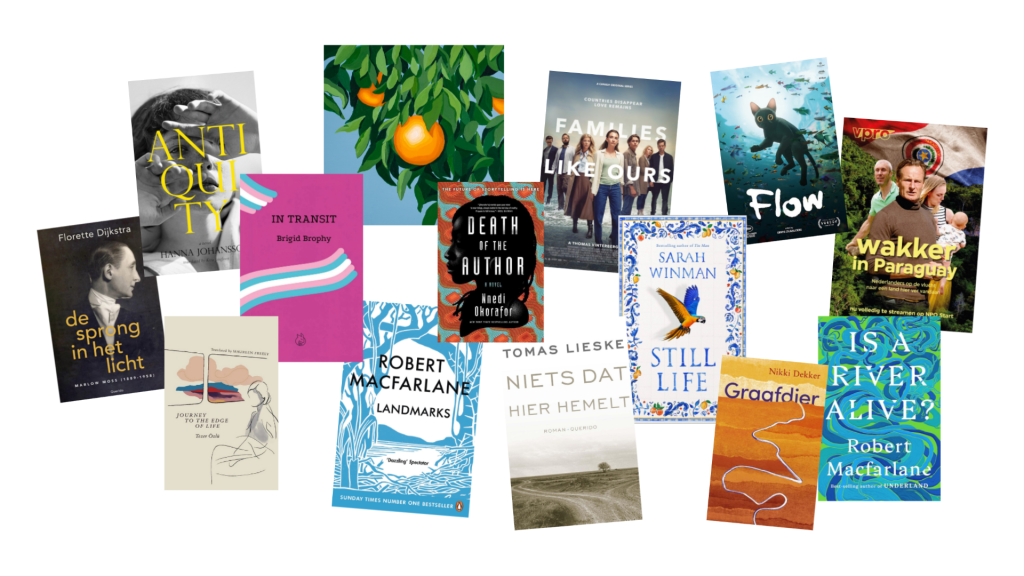
Whether you’re looking for an album to soundtrack your summer picnics in the park, a TV series, documentary, or film for a rainy day, or a good book to read on the train or in the garden, we have you covered! The Arts and Culture Studies team has compiled a list of books, TV series, films and music that we recommend for the summer. We hope you’ll find these just as interesting as we did.
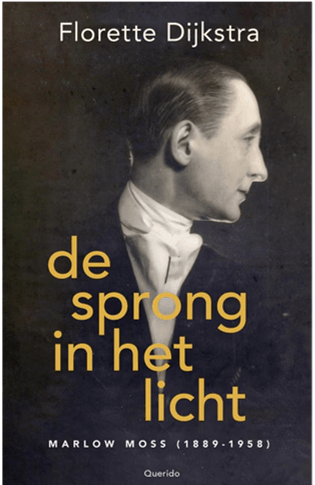
 Florette Dijkstra, De sprong in het licht (Querido, 2025)
The summer holidays are perfect for big books and biographies. The latter tend to be big anyway, because lives are long – especially when you’re lonely, to quote one of my favourite bands. If you’re looking for a great example of contemporary biography about a fascinating historical figure, try Florette Dijkstra’s De sprong in het licht. It tells the life story of androgynous British artist Marlow Moss (1889-1958), who inspired the double line motif in Piet Mondrian’s famous grid paintings, but never received the same acclaim. It’s an exciting story to read, as Dijkstra deviates from conventional biography by focusing on her own pursuit of archival material and neglected art works. The book’s currently only available in Dutch, but it’s beautifully illustrated, as befits its subject.
Dennis Kersten
Brigid Brophy – In Transit
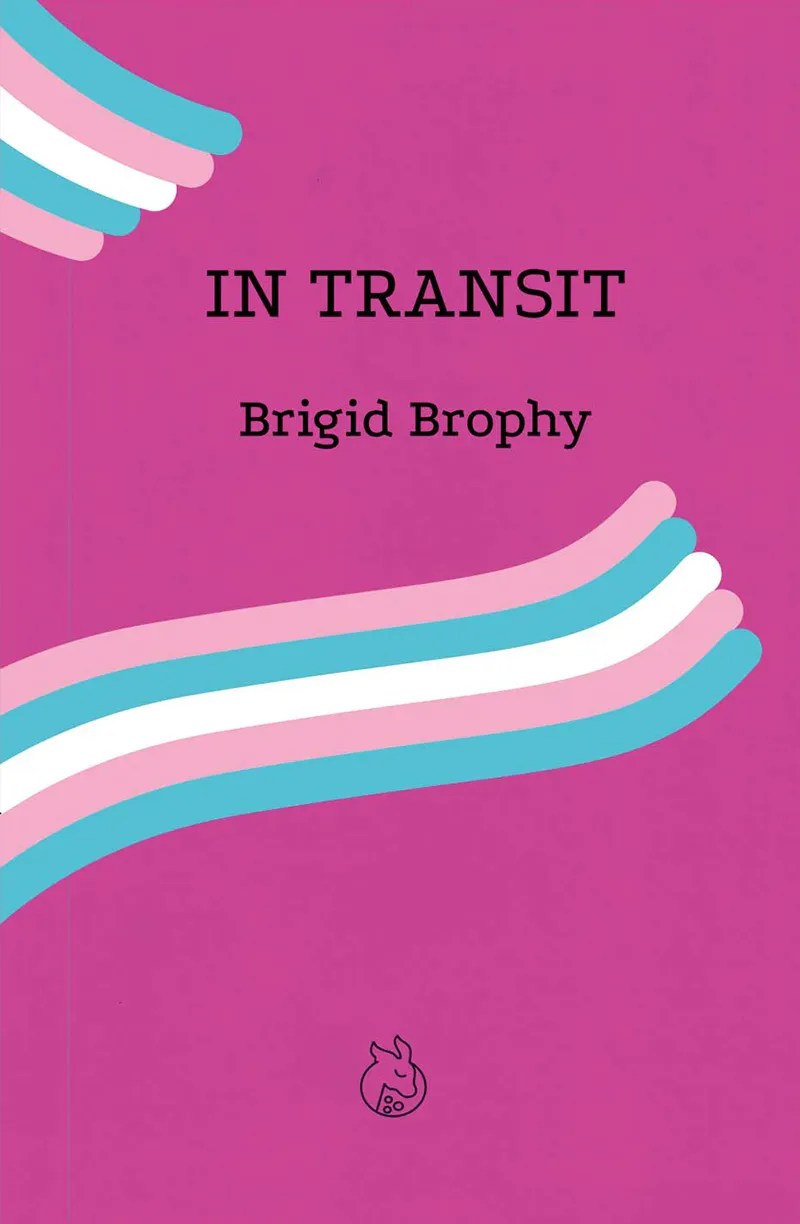
Whether you’re travelling by air, train, car, or in your favorite armchair at home, Brigid Brophy’s recently—and beautifully!—re-issued 1969 experimental non-binary anti-novel In Transit is just what you need this Summer! Set at the international terminal of an unidentified airport—non-place par excellence—it explores in a wildly riotous pun-full narrative what happens when the protagonist, afflicted by “language leprosy,” becomes of indeterminate gender.
Liedeke Plate
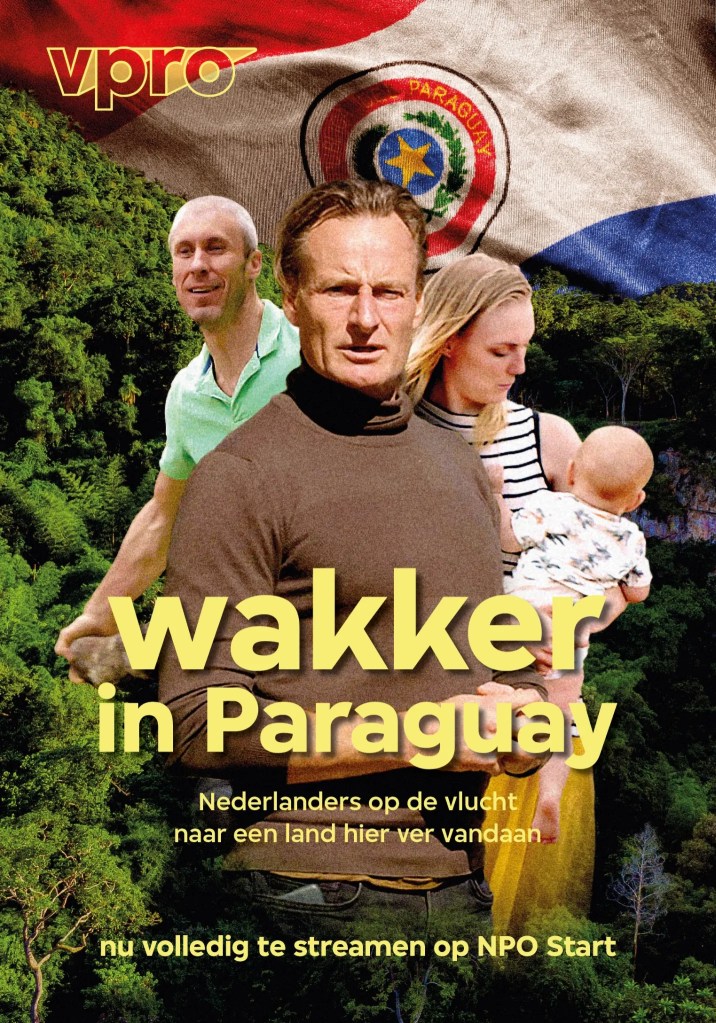
 Wakker in Paraguay – NPO Documentary series
This is a documentary series about a (growing) group of Dutch people who are filled with such strong distrust towards society, authorities, the government, that they decide to emigrate to Paraguay to live a ‘free’ life. The series follows a diverse group of people, some of whom have become known to the public during the Covid-crisis, many of whom share (extreme) nationalist views and their discourse is steeped in conspiratorial thinking. It’s a fascinating series that gives deeper insights into this group which is normally not very open to the media, and it follows them in a personal and nuanced way but still makes all the contradictions in their world-views obvious. One of the most striking scenes for me personally was a newly emigrated Dutch immigrant woman in Paraguay searching for land to build a her house for her new life of happiness in free Paraguay, while complaining to the real estate agent that one of the reasons why she left Holland was because in the Netherlands, the immigrants are taking all of the housing, so locals like her own daughter cannot find a place to live anymore.
Melanie Schiller
Hanna Johansson – Antiquity, English transl. by Kira Josefsson (2024)
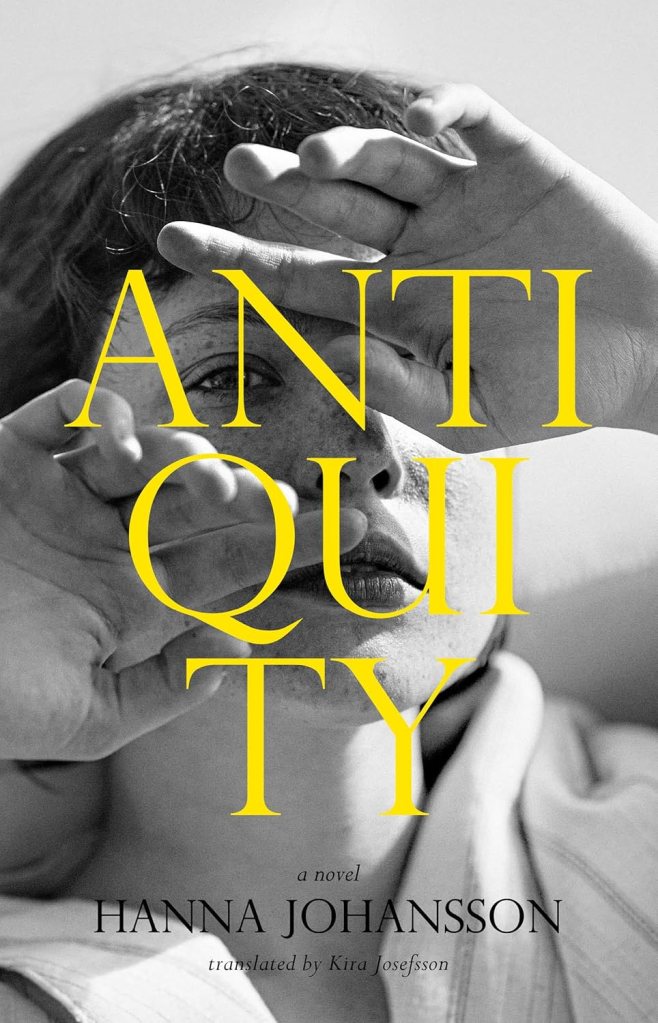
A book that I read last summer and lingered in my brain longer. Set in Greece, it features an unnamed narrator and unfolds with a queer narrative that is both tense and cinematic, that weaves in ancient historical motifs (hence the title). But above all, the novel is unsettling, yet Johansson’s writing is so beautiful.
Demi Storm
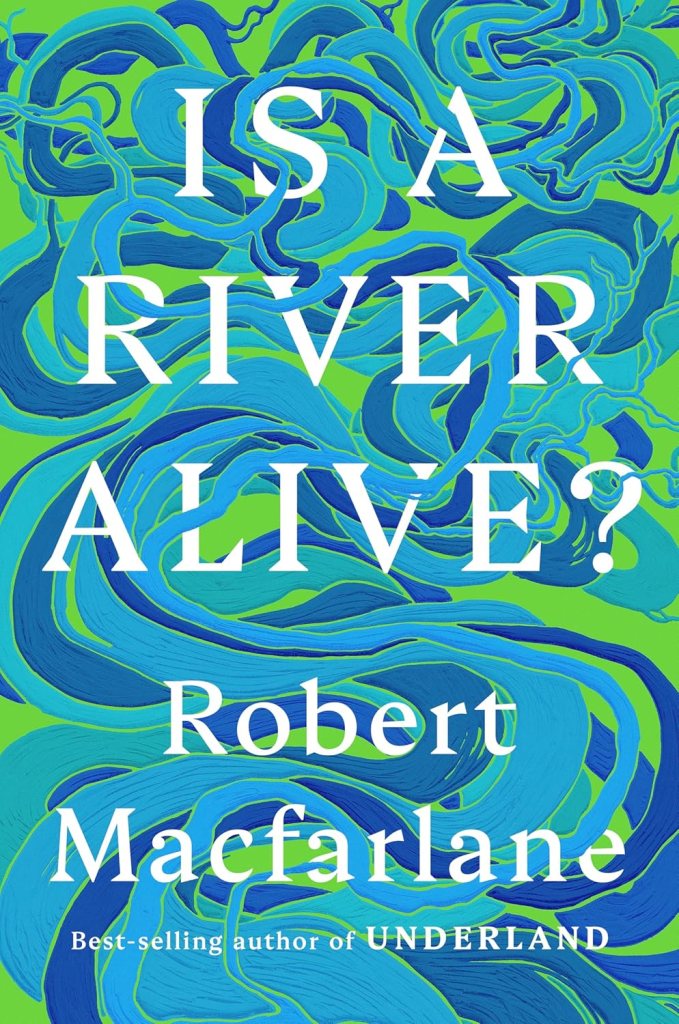
Robert MacFarlane – Is a River Alive
Een tip voor iedereen die houdt van rivieren, of ervan denkt te kunnen houden, van een auteur die zo levendig schrijft als de rivieren waar het boek over gaat, ervan uitgaande dat rivieren inderdaad schrijven. Anders dan de titel doet vermoeden, is het filosofische gehalte beperkt; het boek draait om de levens van rivieren in verschillende delen van de wereld, wat als bijkomstig voordeel heeft dat je zelf niet meer op reis hoeft. Het boek is overduidelijk uit liefde geschreven, dus je mag het lezen waar, wanneer, hoe en zoveel je wil.
Tom Idema
Nnedi Okorafor – Death of the Author
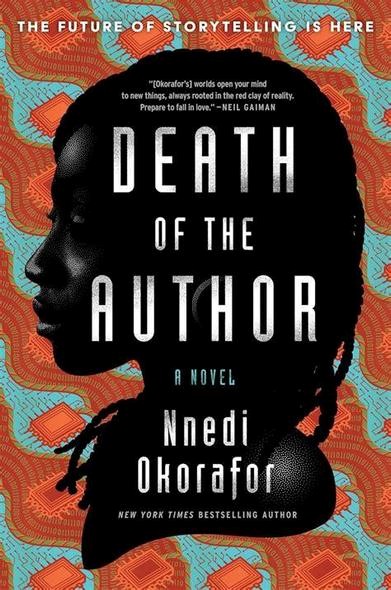
We all know that the author has been long dead, so long that we can by now safely start caring again about who the author is. In my favourite genre, speculative fiction, it actually pays off to find out who the author is and to start looking for (and listening to) voices that were previously ignored. In science fiction and fantasy, and especially in the interstitial space between these genres, new authors have been coming up over the past few years that have significantly broadened my horizon and added to my reading pleasure, like Marlon James (Black Leopard, Red Wolf), Moshin Hamid (The Last White Man) and Nnedi Okorafor (Binti). Okorafor’s latest novel, Death of the Author,is a book to take with you on your summer vacation. It is the multi-layered, Locus Award winning story of a black, female, disabled author struggling to find her way, finding her voice and getting lost in the world. It is a story about the power of science fictional storytelling, it is a novel on the powerful future of Africa (but not, as Okorafor stresses, a work of Afrofuturism), and it is a poignant discussion on AI and authorship. Admittedly, I was a fan already, I love the genre, I am a sucker for novels-within-novels, so my advice is a biased one, but still: read this book. You won’t regret it.
Edwin van Meerkerk
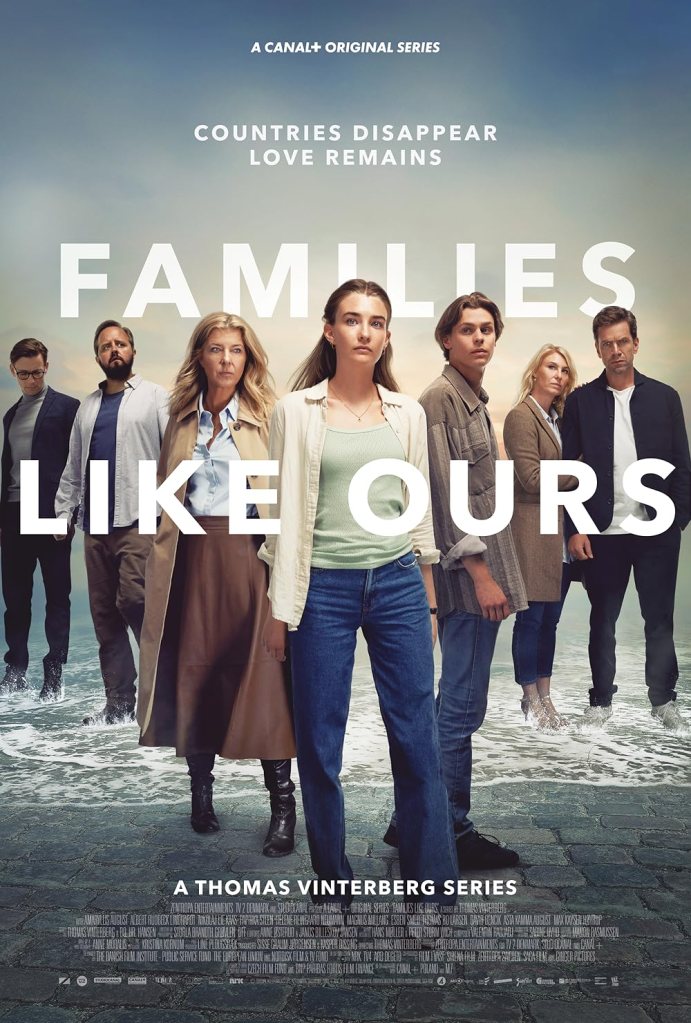
Families Like Ours (2024) – miniseries, NPO Start
I accidentally stumbled upon this series a few months ago and was intrigued to learn that it was written and directed by Thomas Vinterberg, whose films (e.g., Festen, Jagten, and Druk) I often return to. The series portrays a not-so-distant future in which rising sea levels force the Danish government to evacuate the country. What follows is a fascinating reversal of perspective: what if Europeans became climate refugees rather than those who receive them? What if the borders they once crossed with ease suddenly became obstacles? Yet rather than turning this premise into a predictable disaster cliché, Vinterberg focuses on the intimate relationships and fault lines between people confronted with the consequences of the climate crisis. I don’t quite understand why there hasn’t been more buzz around this series, as its thought-provoking premise alone already makes it a very worthwhile watch.
Jeroen Boom
Thomas Lieske – Niets dat hier hemelt & Nikki Dekker – Graafdier
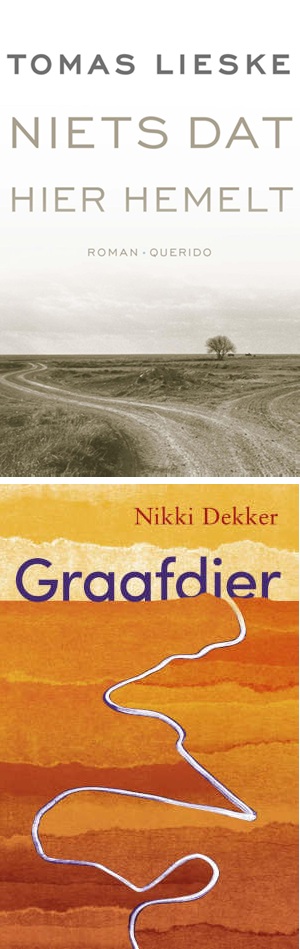
Swamps have frightened literary authors and their audiences for centuries. Whether it concerns existing wetlands, such as the Yorkshire moors in Wuthering Hights by Emily Brönte (1847) or the North Carolinian marshes in Where the Crawdad Sings by Delia Owens (2018), or fictional wetlands such as ‘the swamps of sadness’ in The Neverending Story by Michael Ende (1979) or the ‘Dead Marshes’ and ‘Nindalf’ in Tolkien’s Lord of the Rings (1954-1955), they have evoked strong emotional responses in readers (and viewers, since all these books have been adapted for the screen, with tremendous success) for various reasons. Ignore the mosquitos, try to get the image of the drowning Artax out of your mind, and don’t let the famous will o’the wisps distract you: wetlands are important ecosystems that deserve our care and attention. Lieske and Dekker are trying to counter centuries of bad publicity in their marvelous novels.
Tom Sintobin
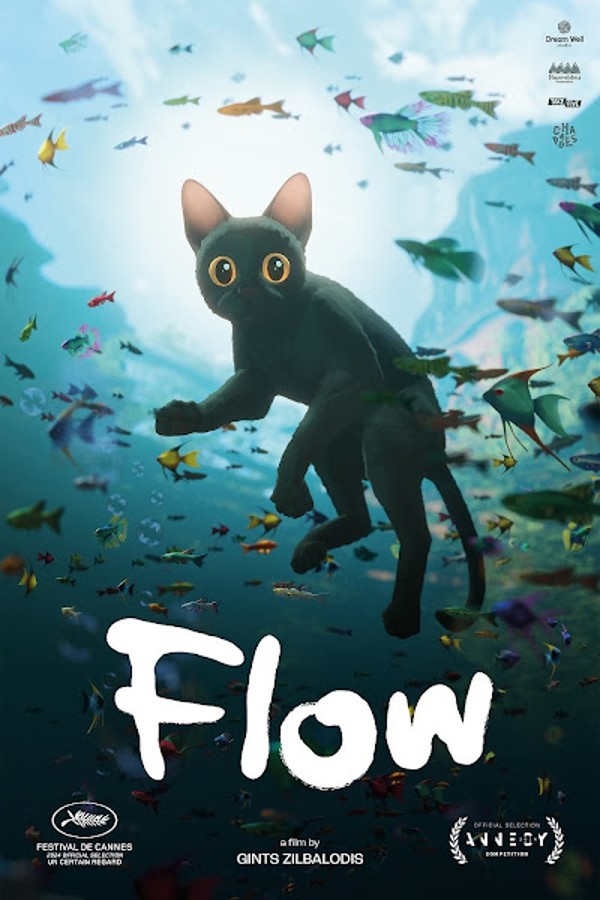
 Flow (2024)
If you still haven’t watched Flow (2024), I cannot recommend it enough. This amazing 3D animation immerses you fully into a story of a cat, who’s forced to exile it’s home when the water level rises. The story is full of twists, turns and fun creatures, as it balances post-apocalyptic setting with the beauty of the natural world. Flow is a Latvian, French and Belgian production and it won Academy and Golde Globe Awards for best animated feature film.
Aliisa Råmark
 Tyler Ballgame – For the First Time, Again
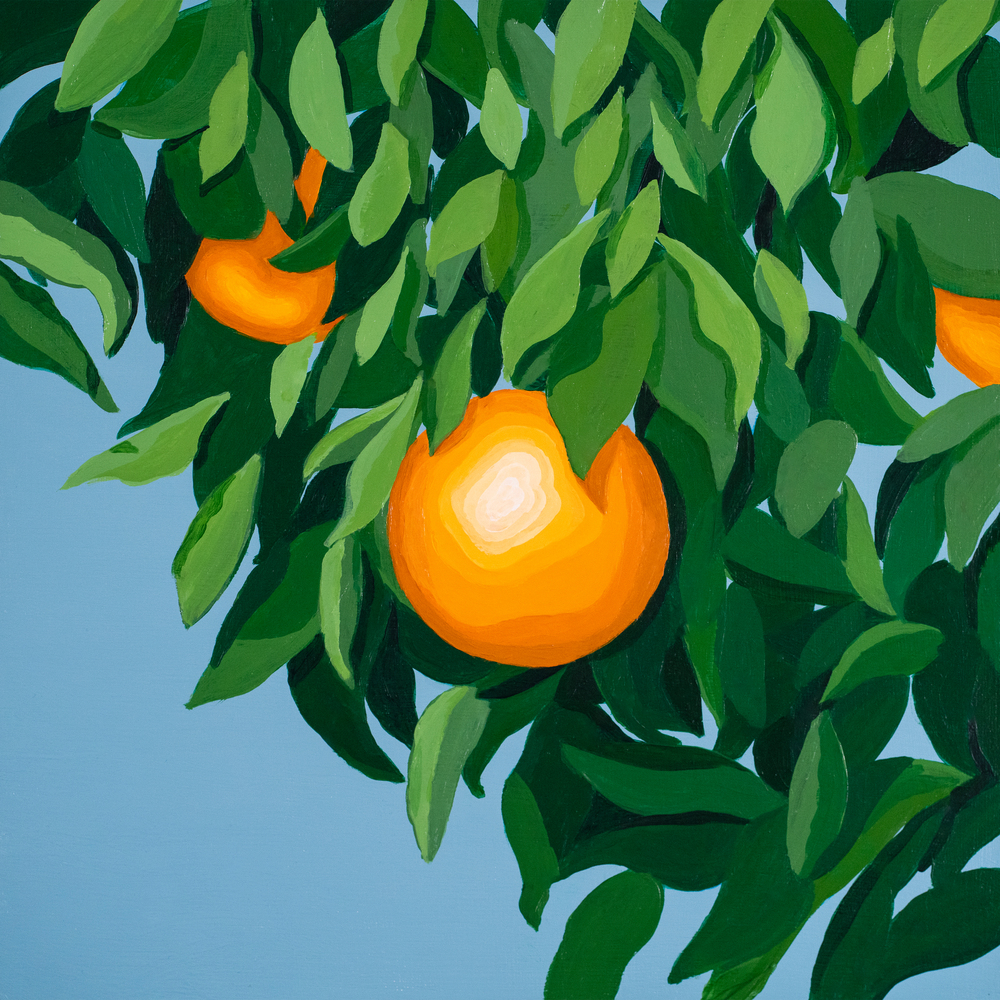
For this summer, I recommend Tyler Ballgame’s debut album For the First Time, Again. The music is chill and cheerful, the lyrics are thoughtful and optimistic. The perfect soundtrack to having a barbecue in the park with your friends!
Julia Neugarten
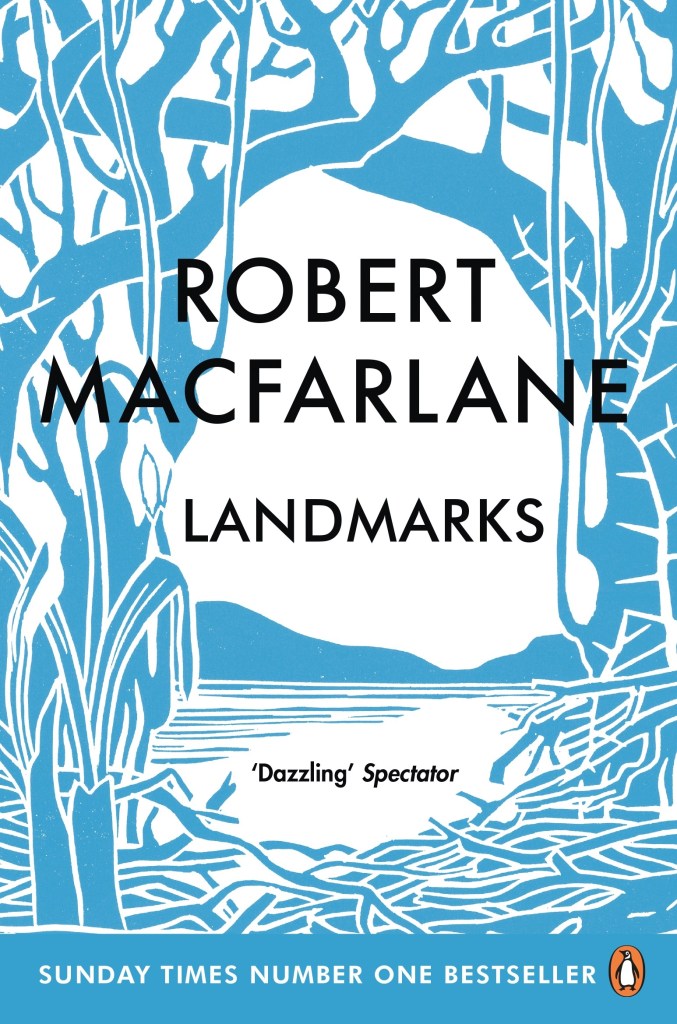
Robert Macfarlane – Landmarks
This book celebrates the fabulously diverse but also vanishing vocabulary in which people have described places and landscapes. Did you know that in Devon people used the word ammil for the fine film of silver ice that coats leaves, twigs and grass when freeze follows a thaw? Or, more rudely, that alongside beautiful monikers such as windhover and bell-hawk in some English dialects the elegant kestrel is referred to as wind-fucker? As Macfarlane remarks, “Once learnt, never forgotten – its is hard now not to see in the pose of the hovering kestrel a certain lustful quiver” (7). Landmarks is a book that enriches our perception of the world and, in a magical way, allows us to think and speak with the landscape. Wherever the summer may take you, it will let you a see a world of which you didn’t know that it was there.
Frederik van Dam
Sarah Winman – Still Life
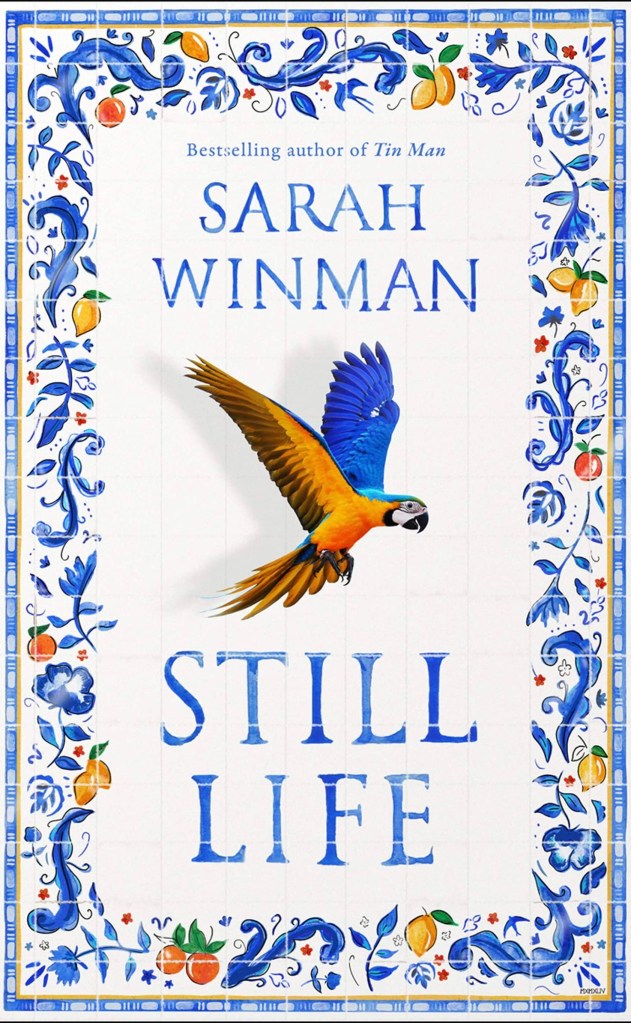
I read this novel a few summers ago and it keeps coming back to me now and then. For me, this novel is the epitome of a summer read (not to be confused with a beach read, as it is not necessarily light reading), the beautifully written prose immerses you in the scenery of Florence and might be the closest you will get to actually being there – apart from, well, actually being there. It celebrates chosen family and the deep connections that we built over time with people, art and places.
Joy Koopman
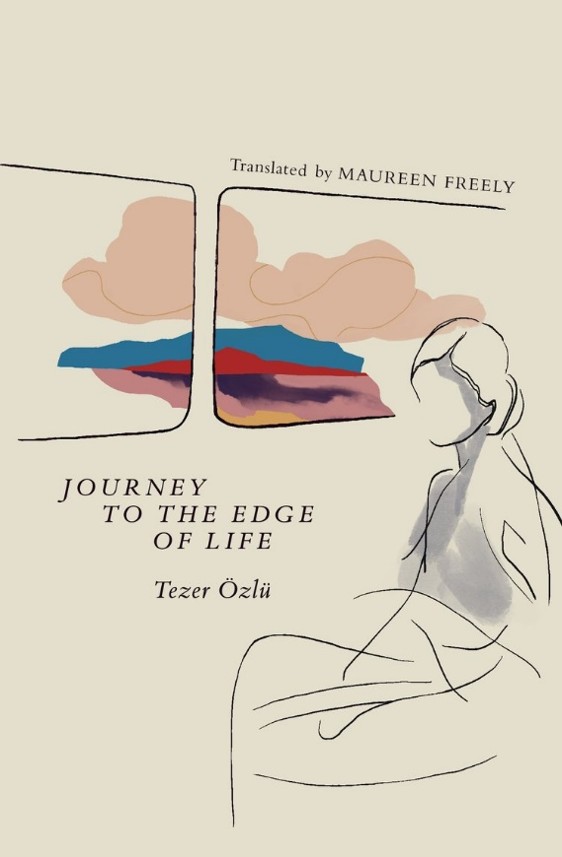
 Tezer Özlü – Journey to the Edge of Life
A work of art that has completely blown me over in the past year is the novel Journey to the Edge of Life by the Turkish female writer Tezer Özlü (1943-1986). It was translated in 2025 in both Dutch and English. Although it is a rather melancholy book, the Dutch publisher nevertheless praised it as a summer tip. After all, it is all about travelling. It starts on ‘the most beautiful spring day of the year’ and what follows is deeply inquisitive, atmospheric, and rebellious. On an obsessive journey through Europe, a woman drawn to the gravesites of her literary idols – Cesare Pavese, Italo Svevo, Franz Kafka – puts her life and her writing in conversation with theirs.
Natascha Veldhorst
 Brass aan de Waal, De Kaaij

On July 11, Kladderadatsch organises a mini festival at the cultural terrace De Kaaij in Nijmegen. Kladderadatsch emerged as a protest band during the Nijmegen student protests and the squatting movement in the 70s. Now, Kladderadatsch plays contemporary, acoustic sounds full of energy and passion. For this festival, Kladderadatsch invited other brass bands to play throughout the afternoon and evening. Come listen and feel free to dance along!
Valerie Knöpker


